Overview

When you’ve got a great product idea, it’s tempting to jump straight from sketch to sample. But between an early concept and something that works, feels, and performs as it should, there’s a crucial discipline that bridges the gap: design engineering.

Design engineering isn’t just about CAD drawings and technical details. It’s where creativity meets practicality, the point where ideas become manufacturable, reliable and commercially viable products.

In this article, we’ll explain what design engineering is, why it matters, and how it can help you bring your product to life faster, with fewer mistakes and at a lower total cost.

What Is Design Engineering?

Design engineering is the process of developing a concept into a functional, manufacturable product through a combination of creative design thinking and rigorous engineering principles.

It sits at the intersection of industrial design, mechanical engineering, and manufacturing expertise. A design engineer ensures that every component of your product not only looks good but also works reliably, fits together correctly, and can be produced efficiently at scale.

At D2M Product Design, design engineering often involves:

  • 3D CAD modelling to develop detailed assemblies and test how parts interact
  • Material selection to balance strength, weight, cost, and sustainability
  • Tolerance analysis to ensure components fit and function in real-world conditions
  • Prototyping and testing to verify performance before committing to tooling
  • Design for manufacture (DFM) to minimise production costs and avoid quality issues

Essentially, design engineers translate creative intent into technical reality – turning sketches and prototypes into products that can be manufactured with confidence.

Success Story

What a Design Engineer Actually Does

Many founders aren’t entirely sure what happens behind the scenes in design engineering. So, let’s break it down into clear, practical steps.

1. Translating Ideas into Technical Concepts

The process starts with your vision. A design engineer takes your sketches, prototypes, or problem statements and turns them into structured concepts that can be evaluated for function, manufacturability, and performance.

2. Building Detailed 3D Models

CAD (Computer-Aided Design) software allows engineers to visualise every component, test mechanisms virtually, and make precise adjustments before any physical prototypes are made. This stage often reveals insights about how to simplify, strengthen, or reduce the cost of a design.

3. Testing and Iteration

Prototypes are created to validate assumptions — often using 3D printing, CNC machining, or soft tooling. Engineers test everything from ergonomics to stress points and durability. Each iteration brings the design closer to production-ready.

4. Material and Component Selection

Design engineers choose the best materials for your goals — whether that means lightweight aluminium, flexible silicone, or sustainable bioplastics. They’ll also specify standard components like fasteners, seals, or electronics to avoid unnecessary custom tooling.

5. Preparing for Manufacture

Finally, they produce detailed manufacturing drawings, assembly instructions, and technical documentation — the blueprints that ensure your chosen factory can make your product consistently and to specification.

The Business Benefits of Good Design Engineering

It’s easy to see design engineering as a cost, but the truth is it saves money — and risk — across the entire product journey.

Stage Without Design Engineering With Design Engineering
Concept to prototype Repeated redesigns and failed samples Fewer iterations, faster progress
Tooling Expensive modifications after production starts Right-first-time tooling
Production Inconsistent quality or assembly issues Reliable, repeatable manufacturing
Customer experience Early returns and negative reviews Robust, durable, premium feel
Long-term cost High warranty claims, redesigns later Sustainable margin over time

Design engineering effectively de-risks product development. It helps you make smarter technical decisions earlier, before they become costly to change.

How Design Engineering Differs from Product Design

It’s common to confuse product design with design engineering, but they play different roles in the journey.

Product Design Design Engineering
Focuses on user needs, form, and aesthetics Focuses on structure, function, and manufacturability
Involves ideation, sketching, and concept visuals Involves CAD modelling, simulation, and testing
Goal: create a desirable product Goal: create a reliable, manufacturable product
Typically led by industrial designers Typically led by mechanical or design engineers

At D2M Product Design, both disciplines work hand-in-hand. Our designers ensure products delight users, while our engineers make sure they perform in the real world and can be produced at a competitive cost.

Examples of Design Engineering in Action

Across thousands of projects, we’ve seen how effective design engineering transforms product outcomes.

For instance:

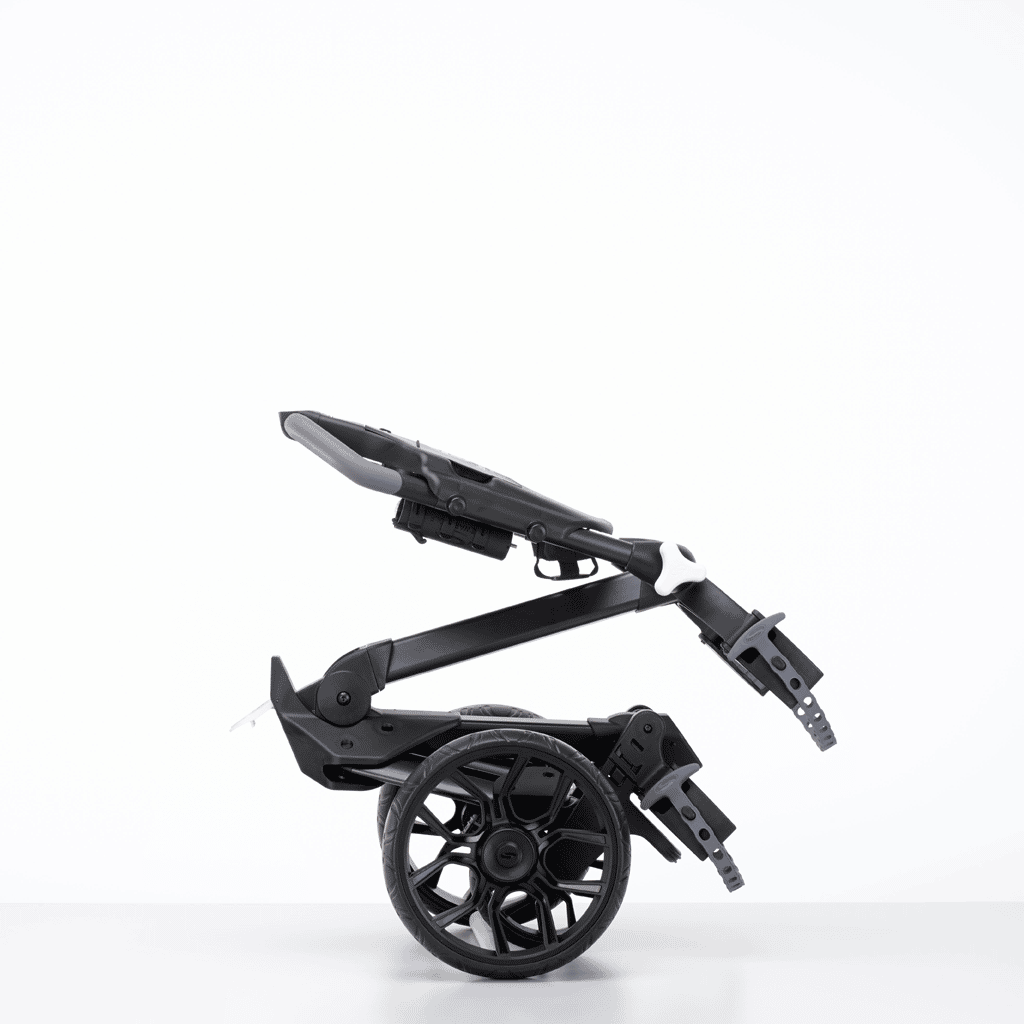
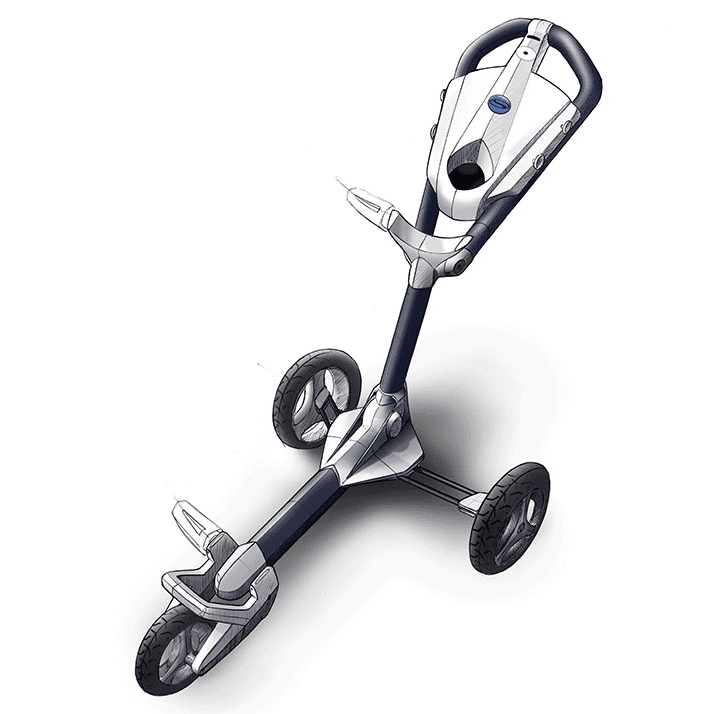
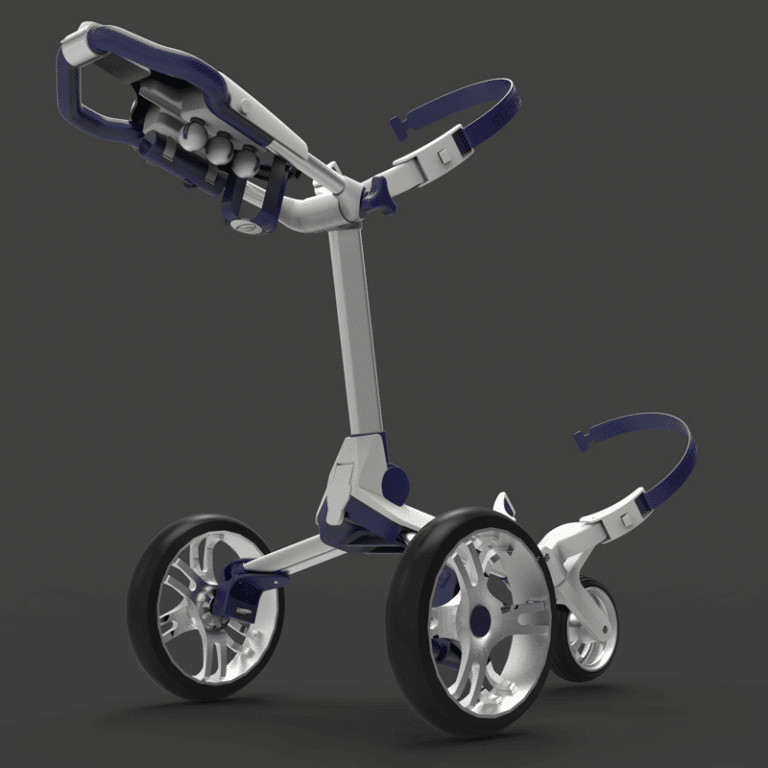
In each case, good design engineering made the difference between a great idea and a commercially successful product sold worldwide.

When to Bring in a Design Engineer

The best time to involve design engineering is as soon as your concept has a defined direction — ideally once initial product design sketches or prototypes exist.

At this stage, a design engineer can:

  • Evaluate feasibility and identify risk areas
  • Suggest simpler, lower-cost manufacturing routes
  • Highlight potential weak points before tooling
  • Recommend materials, mechanisms, or suppliers
  • Help prioritise development steps to match your budget and timeline

Waiting until after your design is finalised often means more rework, more cost, and more frustration.

Why Businesses Need Design Engineering

Many entrepreneurs start with a brilliant idea, something that solves a problem, feels intuitive, or looks great on paper. But without design engineering, it’s easy to underestimate the practical challenges that appear once you try to produce that idea in volume.

Here’s why design engineering is essential for product-based businesses:

1. It Bridges Design and Manufacture

A designer might create something beautiful and user-focused. A manufacturer wants something cost-effective and repeatable. Design engineering connects the two, ensuring that the product’s form and function are achievable with real materials, machines, and assembly methods.

2. It Reduces Costly Errors

Tooling for mass production can cost tens of thousands of pounds. Small design flaws, like a clip that doesn’t align or a tolerance that’s too tight can cause major rework. Design engineering spots these issues early, when they’re cheap to fix.

3. It Improves Quality and Reliability

Design engineers simulate stresses, choose the right materials, and test prototypes to ensure your product performs as intended, not just once, but over thousands of uses. This builds customer trust and reduces returns or warranty claims.

4. It Enables Scalable Production

Scaling from a handful of prototypes to full production isn’t just a matter of ordering more units. Design engineers create the documentation, tolerances, and testing specifications that make consistent, high-quality production possible.

5. It Unlocks Investment and IP Protection

A well-engineered product design demonstrates technical credibility to investors, distributors and patent attorneys. It shows that your idea has been properly validated, not just sketched on a napkin.

Design Engineering FAQs

How do I choose the right design engineering company?

Look for a consultancy that combines creative product design skills with hands-on manufacturing experience. They should have a track record of taking products from concept through to production, not just creating drawings. At D2M Product Design, our engineers and designers collaborate throughout the process to ensure your idea is practical, innovative, and ready for market.

Design engineering ensures that a product isn’t just clever or attractive but also functional, durable, and cost-effective to produce. Without this stage, small design flaws can become expensive manufacturing problems. Good design engineering saves time, money, and risk — and gives founders confidence that their product will perform as intended.

Product design focuses on how a product looks, feels, and meets user needs. Design engineering focuses on how it works, how it’s built, and how it can be manufactured efficiently. In successful product development, these two disciplines work together, the designer creates the vision, and the design engineer makes it real.

In most cases, yes. Early prototypes often prove that an idea works but don’t meet manufacturing requirements. A design engineer takes those rough prototypes and refines them into production-ready designs with the correct tolerances, materials, and specifications for consistent quality at scale.

Yes. Design engineers optimise products for manufacture by simplifying assemblies, reducing part counts, choosing cost-effective materials, and designing for efficient production. This process, known as Design for Manufacture (DFM), can significantly lower tooling, assembly, and quality control costs.

Conclusion

Choosing the Right Design Engineering Partner

If your business doesn’t have in-house engineering capability, partnering with an experienced design engineering consultancy is the most effective route.

Look for a partner who:

  • Understands both creative design and manufacturing realities
  • Has proven experience with your type of product (e.g. electronics, textiles, nursery goods, or outdoor products)
  • Provides transparency on costs, materials, and risks
  • Offers hands-on support through prototyping and production

At D2M Product Design, we combine over 15 years of experience and more than 1,600 completed projects across the full product journey, from concept and prototyping through to global manufacturing. Our senior engineers bring both creativity and commercial realism to every project.

Design engineering turns bright ideas into practical, reliable, and profitable products.

For entrepreneurs and founders, it’s the stage that prevents costly mistakes, strengthens product performance, and paves the way for scalable manufacturing. It’s also what reassures investors, retailers, and customers that your product is built to last.

If you’re ready to move your idea closer to production, start by talking to a team who can blend design flair with real engineering expertise.

Picture of Phil Staunton
Phil Staunton
Managing Director of D2M Product Design Phil is the Managing Director of D2M Product Design, a leading product design company that has helped hundreds of businesses and start-ups successfully bring their product ideas to market. He is also the founder of Ark Pushchairs, where he has gained extensive experience in the entire product development process—from concept to launching his product range in prestigious high street retailer John Lewis.
On this page
Let's Talk Design
Discuss your project, in confidence, with an experienced designer. Enquire now - we'll get back to you within 24 hours.