Overview
Are you considering manufacturing a new product? If so, you’re likely aware of the many challenges of this exciting and rewarding undertaking. From market research to prototyping and from manufacturing strategy to location selection, there are many factors to consider to ensure the success of your product launch. But fear not! With the proper guidance and a commitment to hard work, you can master the art of product manufacturing and bring your vision to life. In this article, we will explore some critical considerations for successfully launching a new product, with a focus on the manufacturing phase. So, let’s dive in and explore the steps you can take to ensure a successful product launch!
Manufacturing Products Process
Pre-Manufacturing Phase
If you’re considering manufacturing a product, it’s important to start with the pre-manufacturing phase. This critical stage involves a series of steps essential to ensuring that your product succeeds. The first step is market research and product validation, which consists in conducting in-depth research to validate the demand for your product. Market research helps you understand your target market, their preferences, and the factors influencing their purchasing decisions. This process should include competitor analysis, which enables you to identify your competitors, their strengths, and weaknesses. This information can differentiate your product from theirs and develop a unique value proposition that resonates with your target market.
The next step in the pre-manufacturing phase is to identify your target market. This involves defining your ideal customer and understanding their needs, preferences, and pain points. By doing this, you can tailor your product to meet their needs and preferences, increasing the chances of success. Once you clearly understand your target market, you can start developing a product that meets their needs.
Product feasibility studies are also an essential part of the pre-manufacturing phase. These studies help determine whether your product is technically feasible, financially viable, and legally sound. Technical feasibility studies help determine whether your product can be manufactured using the available technology and resources. Financial feasibility studies help you determine whether your product is economically viable, considering the cost of production, marketing, and distribution. Legal feasibility studies help ensure your product complies with all relevant regulations and standards.
Once you’ve completed the market research and product validation and have determined your product’s technical, financial, and legal feasibility, it’s time to move on to the prototyping stage. This involves creating a physical or digital model of your product, which can be used to test its features and functions. Prototyping is an iterative process, meaning you’ll need to create multiple prototypes and push them to refine your product design. The final prototype should be tested rigorously to meet your expectations.
In conclusion, the pre-manufacturing phase is a critical stage in the product manufacturing process. It involves a series of steps essential to ensuring your product’s success. By conducting thorough market research, identifying your target market, and conducting product feasibility studies, you can ensure that your product meets your customers’ needs and is financially viable. Prototyping is also a critical part of the pre-manufacturing phase, enabling you to test your product design and refine it until it meets your expectations. By following these steps, you’ll be well on your way to creating a successful product that meets the needs of your target market.
Choosing a Manufacturing Location
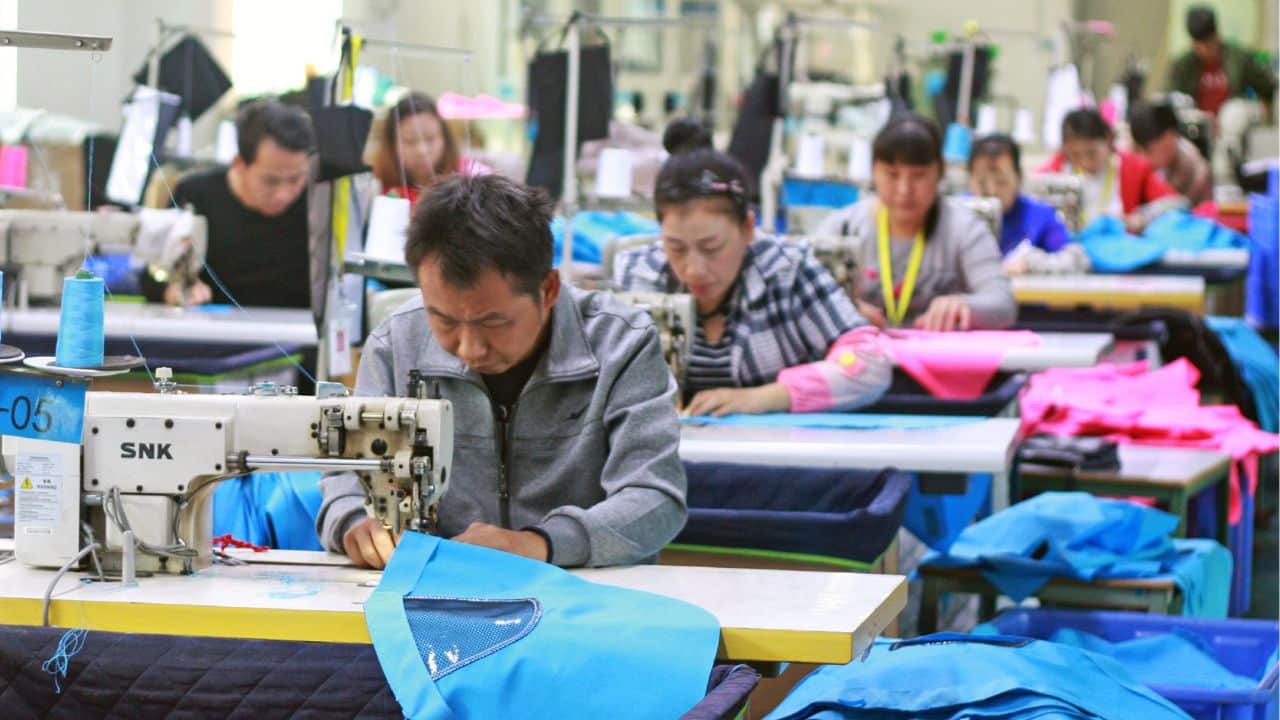
Choosing the right manufacturing location is a critical decision that can significantly impact your product’s success. When considering a manufacturing location, it’s essential to consider the benefits and drawbacks of manufacturing in the Far East versus other regions. While the Far East is known for its low-cost manufacturing, it’s not always the best option for every product. Different areas may offer logistical benefits, such as shorter shipping times and lower transportation costs, which can offset the higher labor costs.
It’s essential to understand the likely cost savings associated with manufacturing in the Far East and the potential costs that may come with it. These include longer lead times, language barriers, and quality control issues. By carefully weighing the benefits and drawbacks of each location, you can make an informed decision that is best for your product and business.
Ethical considerations are also an essential factor when choosing a manufacturing location. While the Far East may offer low-cost manufacturing, ensuring that your product is manufactured ethically and complies with all relevant regulations and standards is essential. This includes ensuring workers are treated fairly and meeting environmental standards.
In conclusion, choosing the right manufacturing location is a critical decision that can significantly impact your product’s success. When considering a manufacturing location, it’s essential to consider the benefits and drawbacks of each area, including logistical benefits, cost savings, and ethical considerations. By weighing these factors carefully, you can make an informed decision that is best for your product and business.
Selecting a Product Manufacturing Strategy
When selecting a product manufacturing strategy, there are several options to consider. One approach is direct engagement with factories, which can offer cost savings and greater control over the manufacturing process. However, there are potential drawbacks, such as language barriers and a lack of transparency. Another option is using a UK-based agent, which can offer benefits such as more accessible communication and greater peace of mind regarding ethical and quality standards. However, this option may also come with higher costs and less control over the manufacturing process. Hiring a local agent is another strategy that can offer advantages such as on-the-ground representation and a better understanding of cultural nuances. However, it may also come with higher costs and potential communication and quality control challenges. Ultimately, the best manufacturing strategy will depend on your specific needs and priorities.
Create a Manufacturing Specification
Creating a manufacturing specification is an essential step in the product manufacturing process. This involves detailing your product’s key elements, including its design, materials, dimensions, and functionality. The manufacturing specification should also include any special requirements or tolerances necessary for the product to function correctly. This information should be communicated clearly and accurately to the manufacturer to ensure that the final product meets your expectations and requirements. The manufacturing specification should be reviewed and revised throughout the manufacturing process to ensure that any changes or deviations are documented and communicated effectively. By creating a comprehensive and accurate manufacturing specification, you can help ensure that your product is manufactured to your exact specifications and meets your customers’ needs.
Protect your New Product
Protecting your new product is crucial to ensuring its success and longevity. A critical step in this process is securing appropriate intellectual property rights (IPR) before revealing the details to a potential manufacturing partner. This involves applying for patents, trademarks, and design rights to safeguard your innovation and brand. Doing so can prevent others from copying or stealing your ideas and protect your product’s unique features and brand identity. It’s essential to understand the importance of IPR in your target markets and manufacturing locations to prevent infringement and ensure that your product’s uniqueness is legally protected. This can involve working with legal professionals who can help you navigate the complex world of IPR and ensure that your product is legally protected in all relevant jurisdictions. By taking the necessary steps to protect your new product, you can help ensure its success and protect your investment in its development.
Manufacturing cost considerations
When manufacturing a new product, cost considerations are a critical factor that must be carefully evaluated. One key consideration is the complete price of manufacturing, including setup costs. This includes any costs associated with tooling, production setup, and initial order quantities. Another essential factor to consider is the amortisation of tooling costs, which can be significant for specific products. Understanding the hidden costs associated with manufacturing, such as shipping, customs, and other fees that may not be immediately apparent, is critical. Additionally, it’s essential to understand that the manufacturing price is unlikely ever to go down and may increase over time due to factors such as inflation and changes in the cost of raw materials. By carefully considering all of these factors, you can make informed decisions about the cost of manufacturing and ensure that your product is financially viable both in the short and long term.
How to Find a Manufacturer in the UK
Finding the proper manufacturer to make your product can be challenging, but several key steps can help you navigate this process successfully. One important consideration is how to send out your manufacturing specifications to potential manufacturers. It’s essential to provide clear and detailed specifications with all relevant information about your product, including its design, materials, and functionality. Additionally, protecting your intellectual property requires non-disclosure agreements (NDAs) from potential manufacturers before sharing confidential information.
Once you’ve received quotes from potential manufacturers, evaluating them carefully is essential. This involves looking beyond just the price and considering other factors such as the minimum order quantity (MOQ) and product quality. It’s necessary to compare quotes on an apples-to-apples basis and ask any questions you may have to ensure that you fully understand the costs and requirements involved in manufacturing your product.
Answering questions from potential manufacturers is also an essential part of the process. By providing clear and timely responses to questions, you can help ensure that likely manufacturers fully understand your requirements and can provide accurate quotes. Finally, it’s essential to compare quotes from different manufacturers carefully and consider all relevant factors before making a final decision. By taking these steps, you can help find a manufacturer who can meet your needs and produce a high-quality product at a reasonable price.
How to approach manufacturers
Approaching potential manufacturers can be a daunting task, but there are several key steps you can take to ensure that the process goes smoothly. One important consideration is the significance of building a relationship with your manufacturer. By establishing a solid and positive relationship, you can improve communication, increase trust, and ensure that your needs are being met. This can involve regular communication, providing feedback, and working collaboratively to identify and resolve any issues that may arise.
When approaching potential manufacturers, it’s essential to look for certain factors to help you identify the right partner for your needs. This includes factors such as their experience, capabilities, and reputation in the industry. It’s also important to consider their location, production capacity, and quality control processes to ensure they can effectively meet your requirements.
Once you’ve identified and evaluated potential manufacturers based on these factors, it’s time to finalize the manufacturing partner that best meets your needs. This involves considering a range of factors, including quality, relationship, and terms. Choosing a partner who can deliver high-quality products consistently while providing excellent customer service and support is essential. Additionally, you should consider the terms of the agreement carefully, including factors such as pricing, delivery times, and payment terms. By taking these steps and choosing the right manufacturing partner, you can help ensure the success of your product and build a solid and lasting relationship with your partner.
Choosing a product manufacturing company
Choosing the right product manufacturing company is a critical decision that can significantly impact your product’s success. When evaluating potential manufacturing companies, there are several key factors to consider. One crucial step is creating tables that allow you to compare likely manufacturers side-by-side based on factors such as their capabilities, experience, and reputation in the industry. This can help you evaluate different options and identify the best partner for your needs.
It’s also essential to consider factors such as the quality of the products, the location of the manufacturer, and the pricing and payment terms offered. By weighing what’s critical for you and your product, you can ensure that you choose a partner who can meet your needs effectively. Additionally, taking references from past clients can provide valuable insights into a manufacturer’s capabilities and reputation.
Cost/benefit analysis is also essential when choosing a product manufacturing company. This involves evaluating the potential costs and benefits of different options and weighing them against each other to determine the best choice for your needs. It’s essential to consider both short-term and long-term costs and benefits and any potential risks or challenges.
Finally, it’s essential to consider the impact of payment terms on your cash flow. This includes factors such as the payment schedule, payment method, and any fees or penalties associated with late payments. By considering all of these factors carefully and making an informed decision based on your specific needs and priorities, you can choose a product manufacturing company to help ensure the success of your products and your business.
Value Engineering
It’s often essential to incorporate manufacturer feedback before beginning mass production. This is where value engineering comes in. Value engineering involves re-evaluating the product design and finding ways to remove unnecessary costs while maintaining the desired functionality and quality. By working closely with the manufacturers and suppliers, it’s possible to find alternative materials or processes that reduce the cost of manufacturing without sacrificing the integrity of the product. Value engineering also helps streamline the manufacturing process, increasing efficiency and reducing lead times. Value engineering can help to create a more cost-effective and sustainable product.
Setting Up for manufacturing Production – Tooling, Jigs and Fixtures
Setting up for manufacturing production involves several key steps, including designing and creating tooling, jigs, and fixtures. When setting up manufacturing production, one important consideration is understanding the tooling and setup costs for different product types. For example, injection-moulded plastic products require the creation of custom moulds, which can be expensive to design and manufacture. On the other hand, textile products may require the creation of custom cutting tools or templates.
Designing and creating moulds or cutting tools typically involves several steps. This includes creating a 3D product model, designing the mould or cutting tool, and manufacturing the tool. The tool is then tested and refined to ensure it meets the required specifications and produces high-quality components.
By understanding the tooling and setup costs for different product types and following a well-planned process for designing and creating tooling, you can help ensure the success of your manufacturing production.
Sampling Process
The sampling process is a critical step in ensuring the success of manufacturing production. The process involves initial sampling and review, followed by iterations to refine the product until the gold sample is finalised for production. It is crucial to get this process right as it can significantly impact the final product.
The gold sample represents the final version of the product that has been optimised through multiple iterations, and any flaws in this sample can lead to significant issues in the production process. Effectively signing off this sample gives the manufacturer the license to produce your product in the agreed volumes to exactly the same design. Therefore, it is essential to pay close attention to the sampling process and ensure it is done with the utmost care and precision otherwise any issues could end up replicated hundreds or thousands of times.
Regulatory Compliance and Certifications
When it comes to manufacturing, it’s important to note that depending on the product and the markets being targeted, various regulatory requirements and certifications may need to be met. This step involves identifying and complying with these requirements, such as safety standards, environmental regulations, and industry-specific certifications. Ensuring the product meets these criteria is essential for legal sales and customer trust. By not complying with these regulations and obtaining relevant certifications, you could end up personally liable if your product causes an accident or injury and you are likely to void any product insurance. In fact, it’s often best to work with your insurer to establish exactly what certification is required. Tested products and relevant certification reassure customers that the product is safe, reliable, and meets the necessary standards. This step is critical for any manufacturing business that wishes to operate in a regulated market and is an essential part of ensuring the business’s long-term success.
Manufacturing Production
The manufacturing production stage involves several critical steps that require careful attention. These include contract negotiation, setting up assembly lines, training workers, setting timelines, finalising packaging, and specifying outer cartons in readiness for shipping. During contract negotiation, including guarantees and establishing protocols for when something goes wrong is essential. This can help minimise risks and ensure all parties know their responsibilities.
Setting up assembly lines and training workers ensures the manufacturing process runs smoothly and efficiently. Establishing likely timelines can help ensure that the production process stays on track and meets any deadlines that have been set. Finally, finalising packaging and ensuring readiness for shipping is essential for ensuring that the final product is delivered to customers promptly and efficiently once production is complete. Overall, manufacturing production is a complex process that requires attention to detail and careful planning to ensure success.
Supply Chain and Logistics Planning
Supply chain and logistics planning involves managing inventory levels, planning for scalability, and establishing contingency plans for potential disruptions. Efficient supply chain management is critical for maintaining product quality, meeting delivery timelines, and controlling costs. By planning the supply chain and logistics in advance, manufacturers can ensure they have the necessary resources and infrastructure to meet demand and respond effectively to potential disruptions. This can help minimise risks and ensure that the manufacturing process runs smoothly from start to finish. Overall, supply chain and logistics planning is essential to any manufacturing business, and careful attention to this step can help ensure long-term success but it is particularly important if you are supplying larger retailers who may have specific requirements for minimum stock levels, order delivery timeframes etc.
Quality Control and Shipping
Quality control is an essential step in the manufacturing process, as it involves conducting quality control checks to ensure that the final product meets the necessary quality standards. Poor quality control can have significant consequences, including damage to the brand’s reputation and potential legal issues. Quality control and quality assurance are often used interchangeably, but it’s important to note that they have distinct meanings. Quality assurance involves establishing processes and procedures to ensure product quality is maintained throughout manufacturing. In contrast, quality control involves conducting tests and inspections to ensure the final product meets the necessary quality standards.
Once quality control checks have been completed, the next step is deciding on shipping methods and logistics. This can involve utilising shipping agents or the manufacturer’s logistics, depending on the business’s specific needs. Considering cost, speed, and reliability is essential when making this decision. By carefully considering these factors and planning ahead, manufacturers can ensure that their products are shipped promptly and efficiently, which is critical for maintaining customer satisfaction and building long-term success.
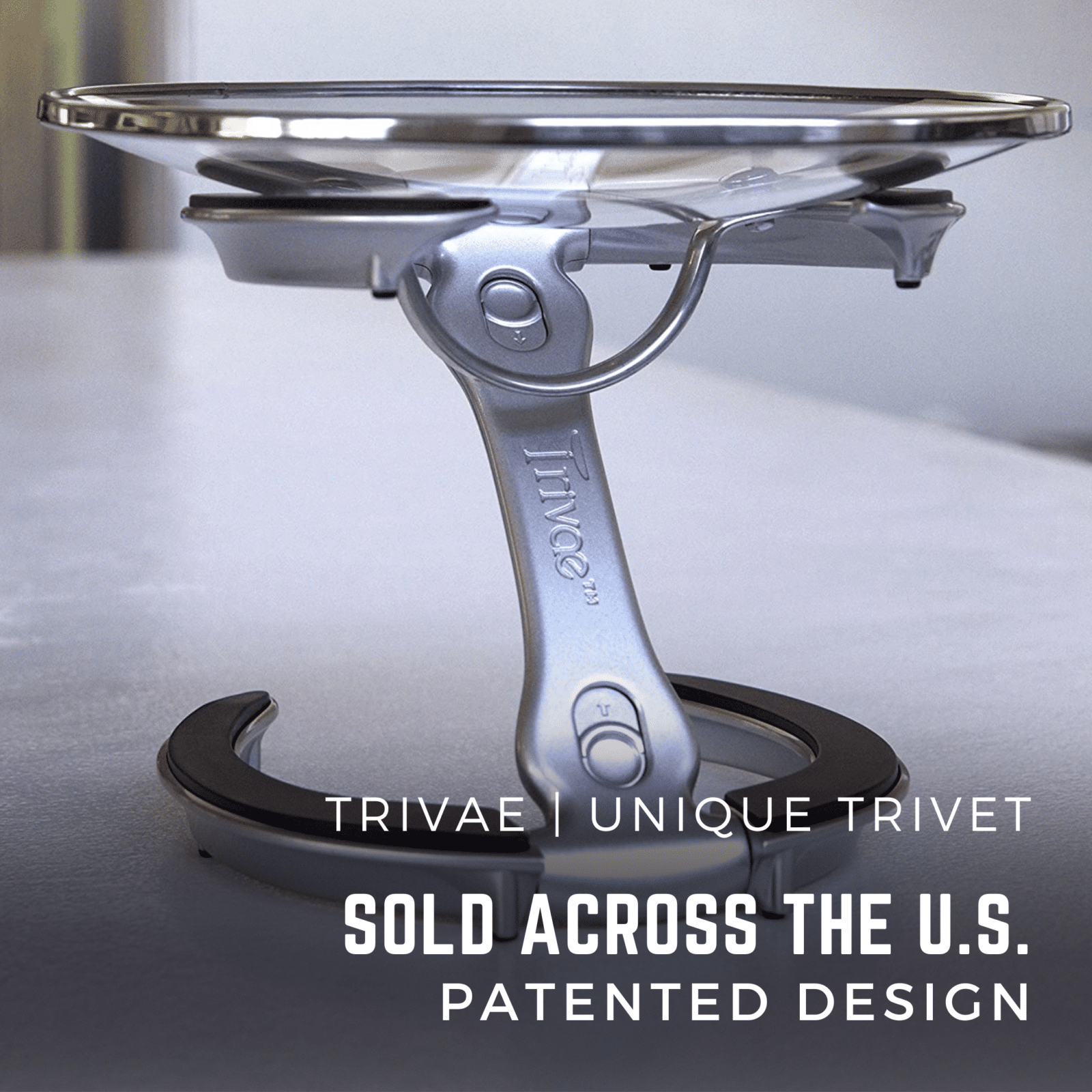
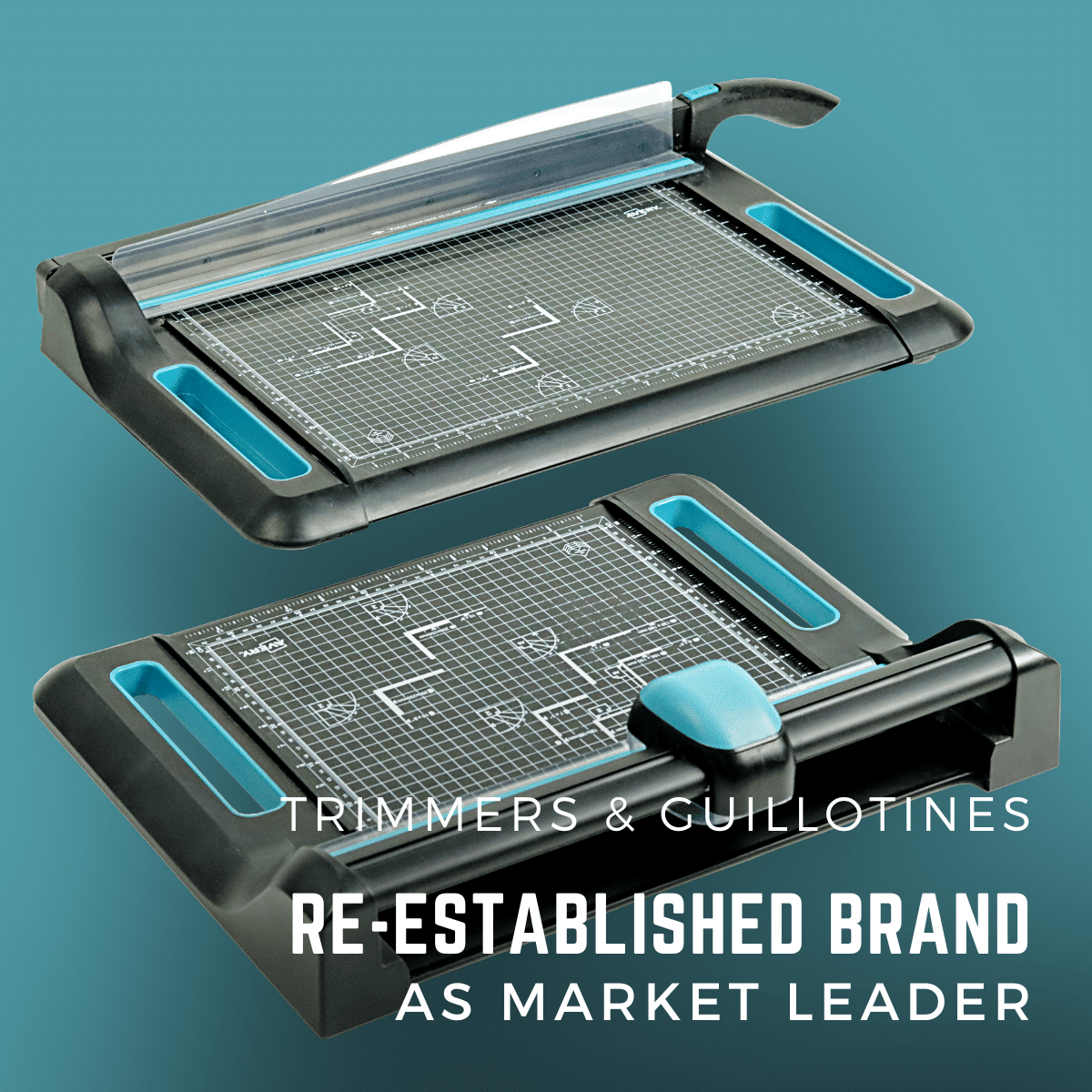
Some of the projects we've worked on





Post-Manufacturing
After the manufacturing process is complete, a few critical steps need to be taken before the product can be launched. One of these steps is preparing for handling customer enquiries and potential issues. Planning how you will manage customer service and setting this up is critical.
Next you need to consider marketing and advertising campaigns, and developing sales channels. Ideally a lot of this should have been planned months ago but now implementation can start in earnest given that production and quality are behind you. By carefully executing these final steps, manufacturers can ensure their products are launched successfully. Overall, post-manufacturing is a critical stage in the manufacturing process, and careful attention to detail is essential for ensuring that the final product is successful in the market.
Pre-Sales and Market Introduction
Pre-sales and market introduction are crucial steps in the manufacturing process, as they involve preparing for the product’s launch and ensuring that it is well-received by the target market. This includes ensuring that pre-orders and marketing strategies are in place to generate interest in the product and build anticipation among potential customers.
In addition to these steps, it’s also important to celebrate the manufacturing achievement and recognise the hard work and dedication that went into creating the product. It’s too easy to miss this in the general busyness but it is important to note that you’ve now achieved something very few companies manage effectively.
Feedback Loop and Continuous Improvement
Establishing a feedback loop and continuous improvement process is essential for ensuring the long-term success of a manufacturing business. This involves setting a method for collecting and analysing customer feedback, product performance data, and operational metrics to inform continuous improvement of the product and manufacturing process. This iterative approach can lead to product enhancements, cost reductions, and better customer satisfaction over time.
By regularly collecting and analysing customer feedback, manufacturers can identify areas for improvement and address any issues that arise quickly and efficiently. This can help improve the quality of the product and enhance customer satisfaction. Similarly, by monitoring product performance data and operational metrics, manufacturers can identify areas where the manufacturing process can be optimised to reduce costs and improve efficiency.
Overall, establishing a feedback loop and continuous improvement process is critical for maintaining a competitive edge in the marketplace and ensuring the long-term success of a manufacturing business. By continually refining and improving the product and manufacturing process, manufacturers can stay ahead of the competition and meet the evolving needs of their customers.
In conclusion, manufacturing a new product is a complex process that requires careful planning, research, and consideration. The pre-manufacturing phase is critical to ensuring the success of your product and involves conducting market research, identifying your target market, and conducting feasibility studies. Prototyping is also an essential part of the pre-manufacturing phase, enabling you to refine your product design and ensure it meets your expectations. Choosing the right manufacturing location and strategy is also essential to the success of your product.
While manufacturing a new product may seem overwhelming, it’s important to remember that you can achieve success with hard work, dedication, and the proper guidance. Don’t be afraid to seek advice and support from experts and mentors, and always stay focused on your goals. With perseverance and a positive attitude, you can master the art of product manufacturing and create a successful product that meets the needs of your target market. So, take that first step and start bringing your product to life!
Equerry
EquerryShine is a revolutionary electric shoe polisher designed to make shoe care easier, faster, and more enjoyable. The product was created by two brothers, Anthony and Charles. Anthony is a chef and Charles is a serial inventor, and together they approached Design2Market (D2M) for their expertise in product design to help them bring their vision to life. The result is a unique and functional product that has revolutionized the way people take care of their shoes.
Manufacturing Products FAQs
How do you manufacture a product and sell it?
Manufacturing a product involves several steps: designing, prototyping, testing, and mass production. The first step is developing the product, including creating and testing a prototype to ensure it meets the desired specifications. Once the product design is finalized, it is ready for mass production. For mass production, the manufacturer must have a factory or contract with a factory to produce the product. The cost of manufacturing will depend on the complexity of the product and the quantity produced. Once manufactured, the product can be sold through various channels, such as online marketplaces, brick-and-mortar stores, or direct sales.
What is manufacturing a product?
Manufacturing a product is creating a physical product using raw materials, machines, and labor. Manufacturing involves several stages: design, prototyping, testing, and mass production. The design stage involves creating a product blueprint, while the prototyping stage involves creating a physical product model. Testing is done to ensure the product meets the desired specifications. Mass production involves making the final product in large quantities, often in a factory setting.
What should I consider for Sustainable Manufacturing?
Sustainable manufacturing involves creating products that have minimal negative impact on the environment and society. To achieve sustainable manufacturing, companies should consider several factors, such as using renewable energy sources, reducing waste, and using eco-friendly materials. Additionally, companies should ensure the ethical treatment of workers and fair labor practices. Sustainable manufacturing can help companies reduce their carbon footprint and enhance their reputation by showing commitment to social and environmental responsibility.
How much does it cost to manufacture a product?
The cost of manufacturing a product varies depending on several factors, such as the complexity of the product, the quantity produced, and the cost of raw materials, labor, and equipment. Prototyping and testing can also add to the cost of manufacturing. Mass production costs per unit generally decrease as the quantity produced increases. Companies should also consider other costs, such as shipping and marketing when determining the total product manufacturing cost.
How long does it take to manufacture a product?
The time it takes to manufacture a product depends on several factors, such as the complexity of the product, the quantity produced, and the availability of raw materials and labor. Prototyping and testing can also add to the time it takes to manufacture a product. Mass production typically takes less time per unit than creating a single prototype. Companies should also consider lead times for shipping and any delays that may occur during manufacturing, such as equipment breakdowns or supply chain disruptions.