Overview

In product development, transforming a conceptual idea into a tangible product involves multiple stages of design, testing, and refinement. One crucial element in this intricate process is the functional prototype.

This blog post will provide a thorough understanding of what a functional prototype is, its importance in product development, and how it can influence the overall success of your product. We will also delve into the stages of developing a functional prototype, its benefits, and how D2M Product Design can assist you in this essential phase of your project.
What is a Functional Prototype?
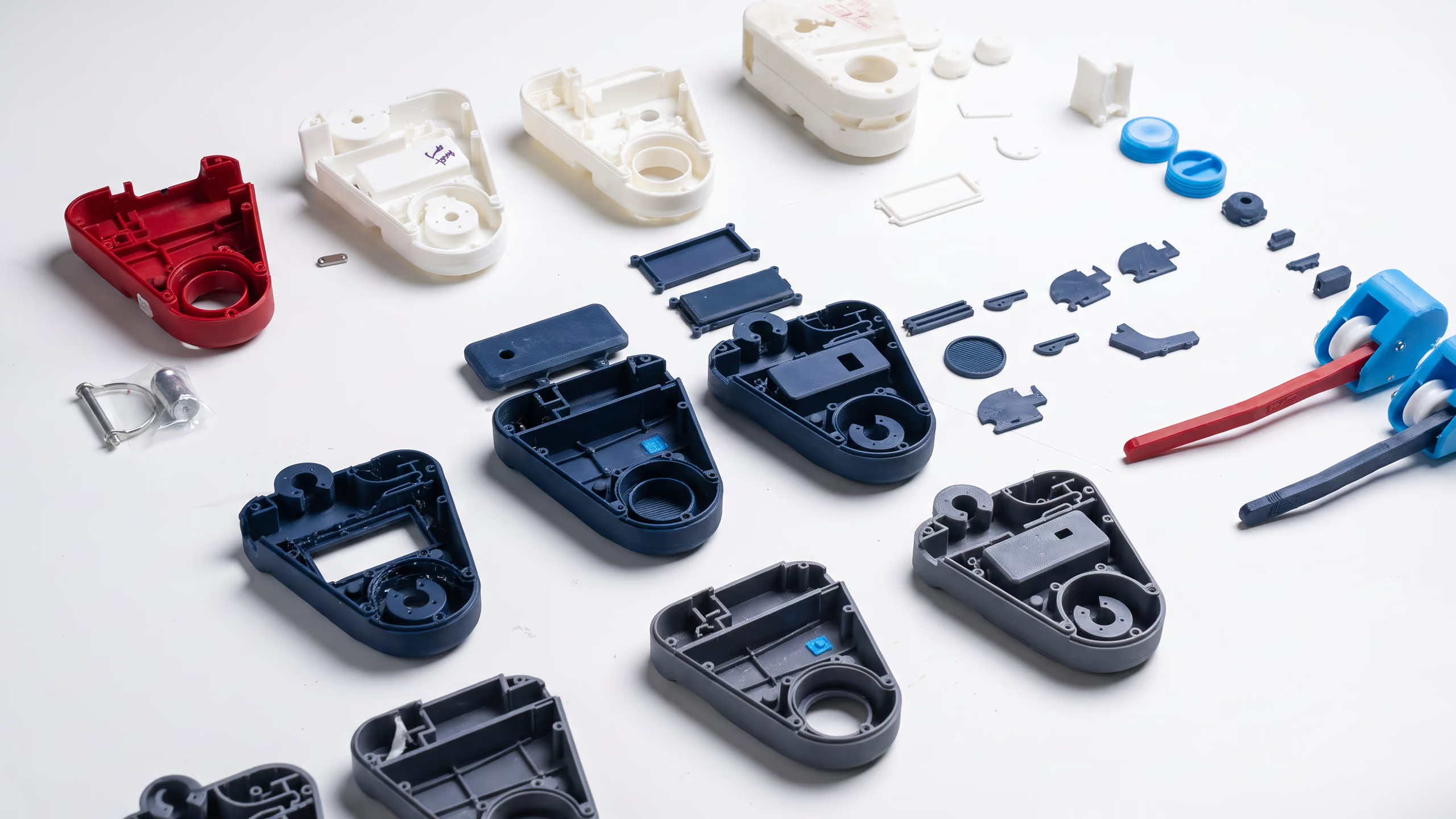
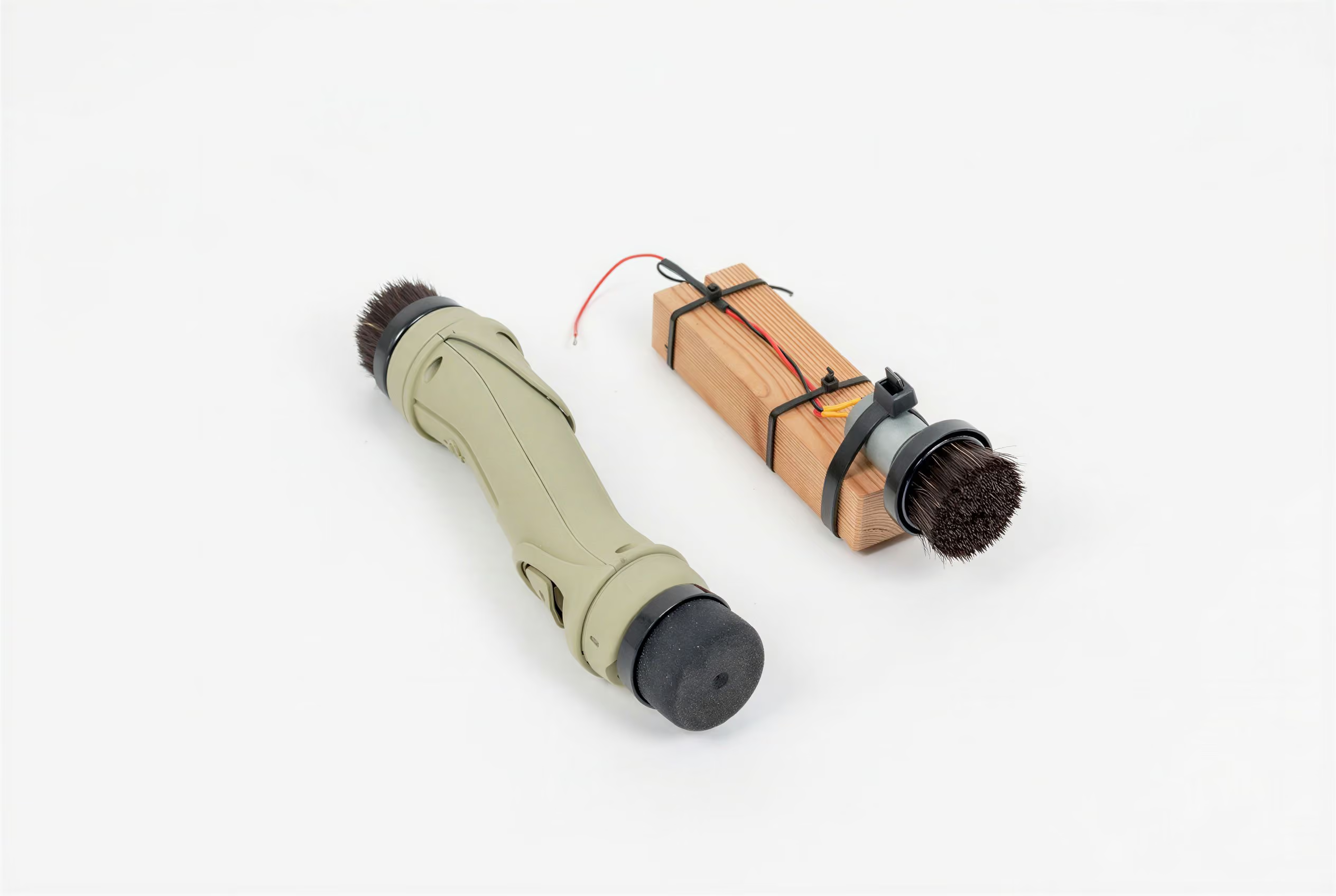
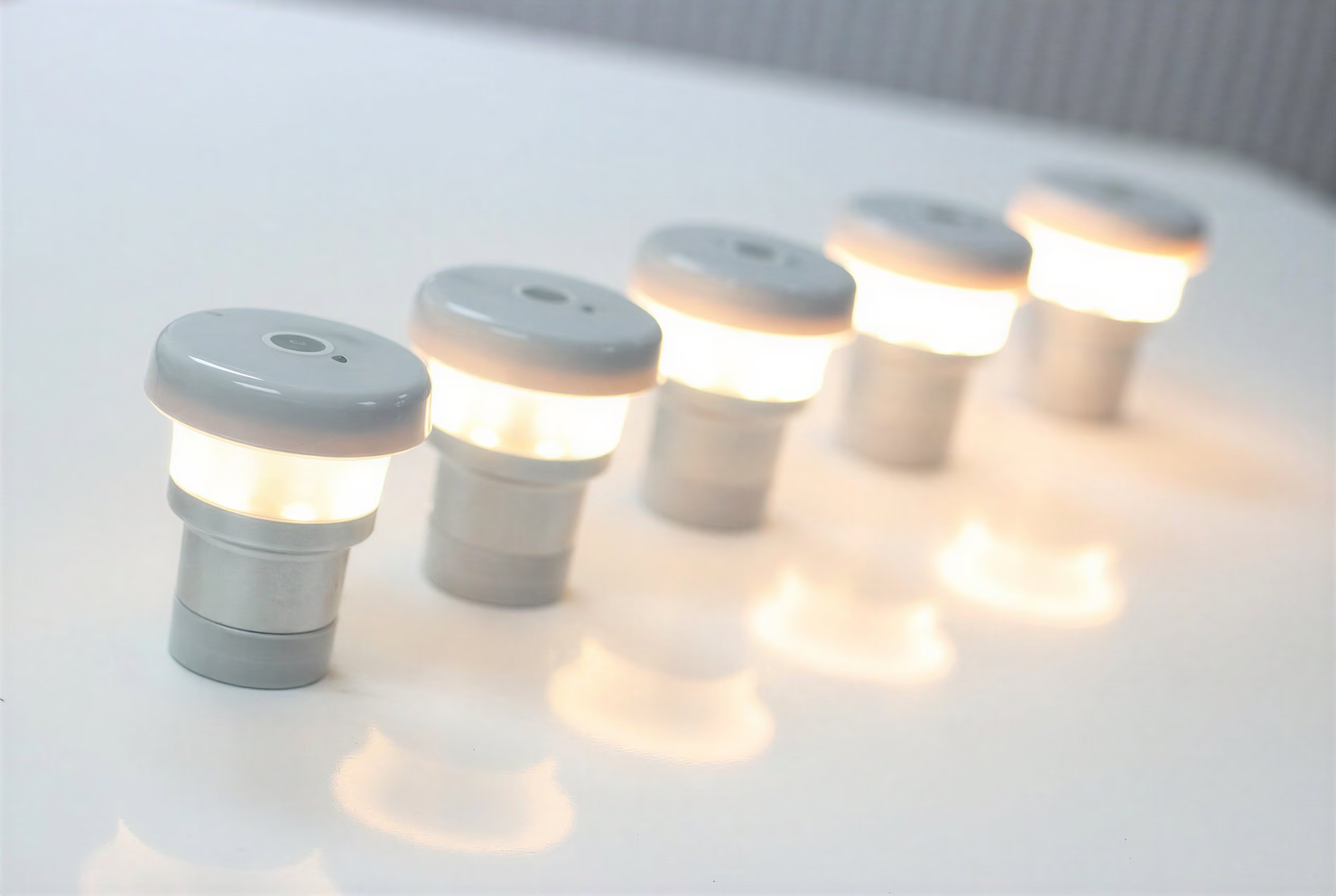
A functional prototype is a working model of a product that demonstrates its core functionality. Unlike visual prototypes, which focus on the appearance and aesthetics of a product, or pre-production prototypes, which are often near-final versions used for market testing, functional prototypes emphasise the operational aspects. Before committing to full-scale production, they are designed to test and validate the product’s functionality, performance, and usability.

A functional prototype is a tangible representation of a product that allows designers and engineers to evaluate its performance and functionality. It includes essential components and features critical for testing how well the product performs its intended tasks. For instance, if you’re developing a new fitness tracker, the functional prototype would incorporate the necessary sensors, display, and software to assess how the device tracks activity and interacts with the user.

Why is a Functional Prototype important in Product Development

Functional prototypes are integral to the product development process. They bridge the gap between conceptual design and actual production, offering several advantages:

Importance in Product Development

  1. Early Validation of Concepts: Functional prototypes provide an early opportunity to test and validate design concepts. By creating a working model, designers can evaluate whether the product’s functionality aligns with the original vision and objectives.
  2. Identification of Design Flaws: Testing a functional prototype can reveal design flaws that may not be apparent in theoretical models or simulations. Identifying and addressing these issues early in development can save time and reduce the risk of costly revisions later.
  3. Refinement of Product Features: Feedback from testing the functional prototype allows designers to make necessary adjustments and refinements. This iterative process ensures that the final product meets user needs and performs optimally.
functional prototype

Distinction from Other Types of Prototypes

  • Visual Prototypes: These prototypes focus primarily on the product’s appearance. They help evaluate design aesthetics and user impressions but do not provide insights into functionality or performance.
  • Pre-Production Prototypes: Also known as beta prototypes, these models are closely aligned with the final product and are used for final testing before full-scale production. While they provide valuable feedback on the final design, they may offer a different level of iterative testing and refinement than functional prototypes.

By focusing on functionality, functional prototypes allow developers to address potential issues before committing to full-scale manufacturing, making them a critical tool in development.

Key Characteristics of a Functional Prototype

Functional prototypes come with several distinct characteristics that differentiate them from other types of prototypes:

Description of Features and Components

  1. Core Components include the essential elements required for the product to function as intended. For example, a functional prototype of a smart home device would consist of the necessary sensors, controllers, and communication modules.
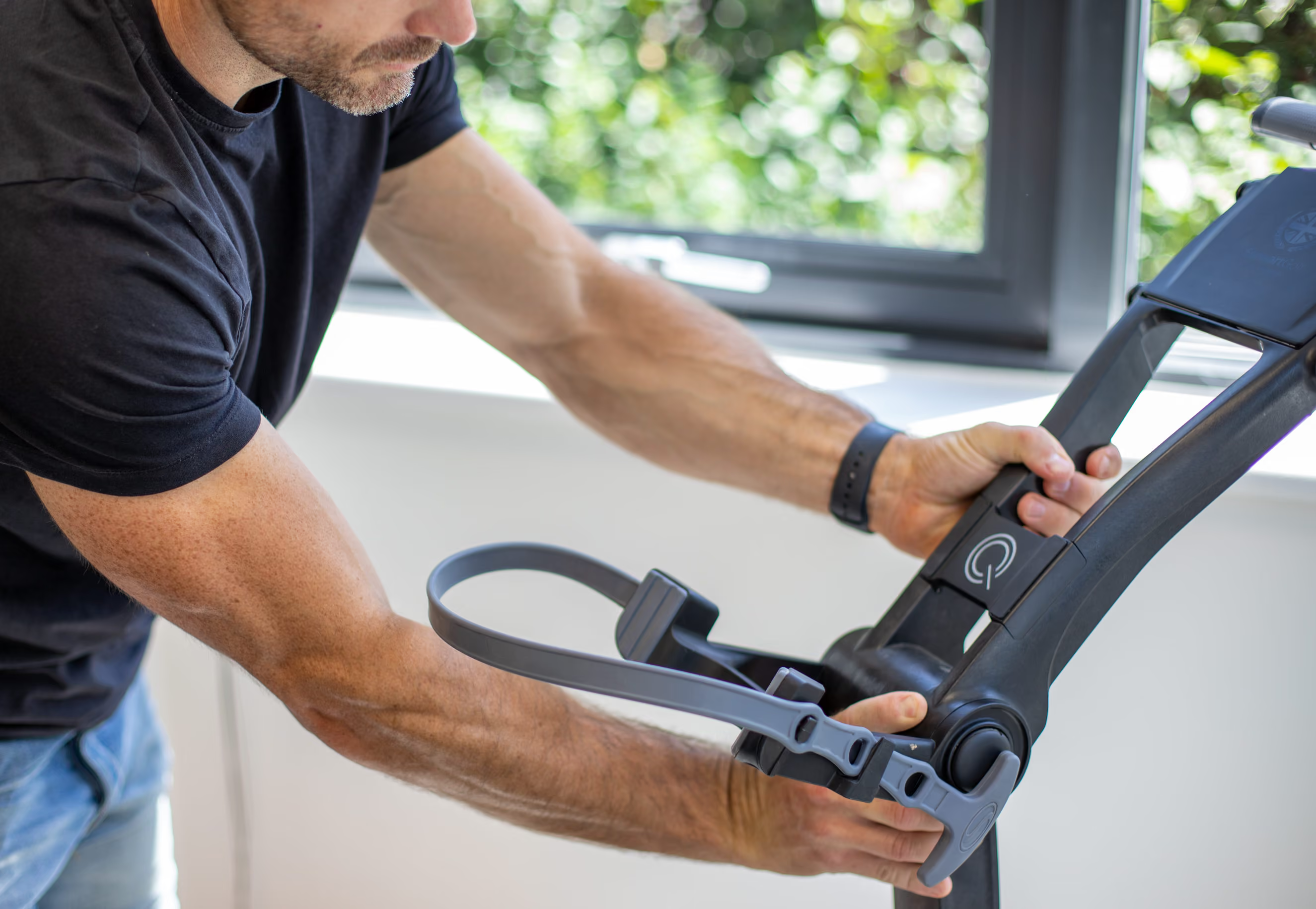
  2. Working Mechanisms: The prototype demonstrates the product’s operation, including its various functions and interactions. Depending on the product, this might involve mechanical movements, electronic operations, or software processes.
  3. Interactive Elements: Functional prototypes often include interactive elements that allow users to engage with the product. This interaction is crucial for assessing usability and gathering user feedback.

Materials Commonly Used

  1. Plastics: Plastics are frequently used for casings and structural components due to their versatility, ease of manipulation, and cost-effectiveness. They can be easily moulded and shaped to fit various design requirements.
  2. Metals: Metals are used for components that require greater strength and durability. They are often used in parts that must withstand stress or wear over time.
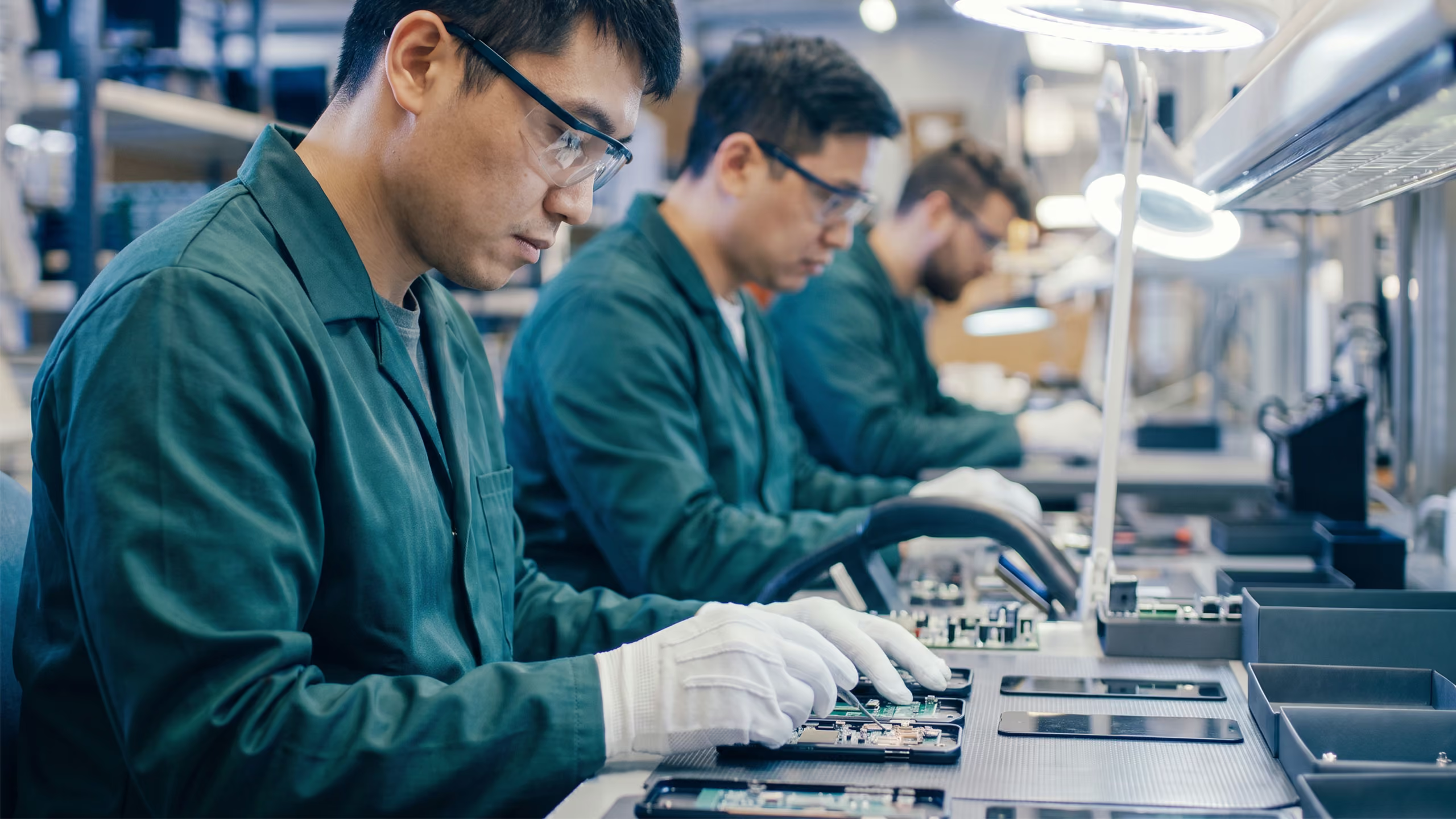
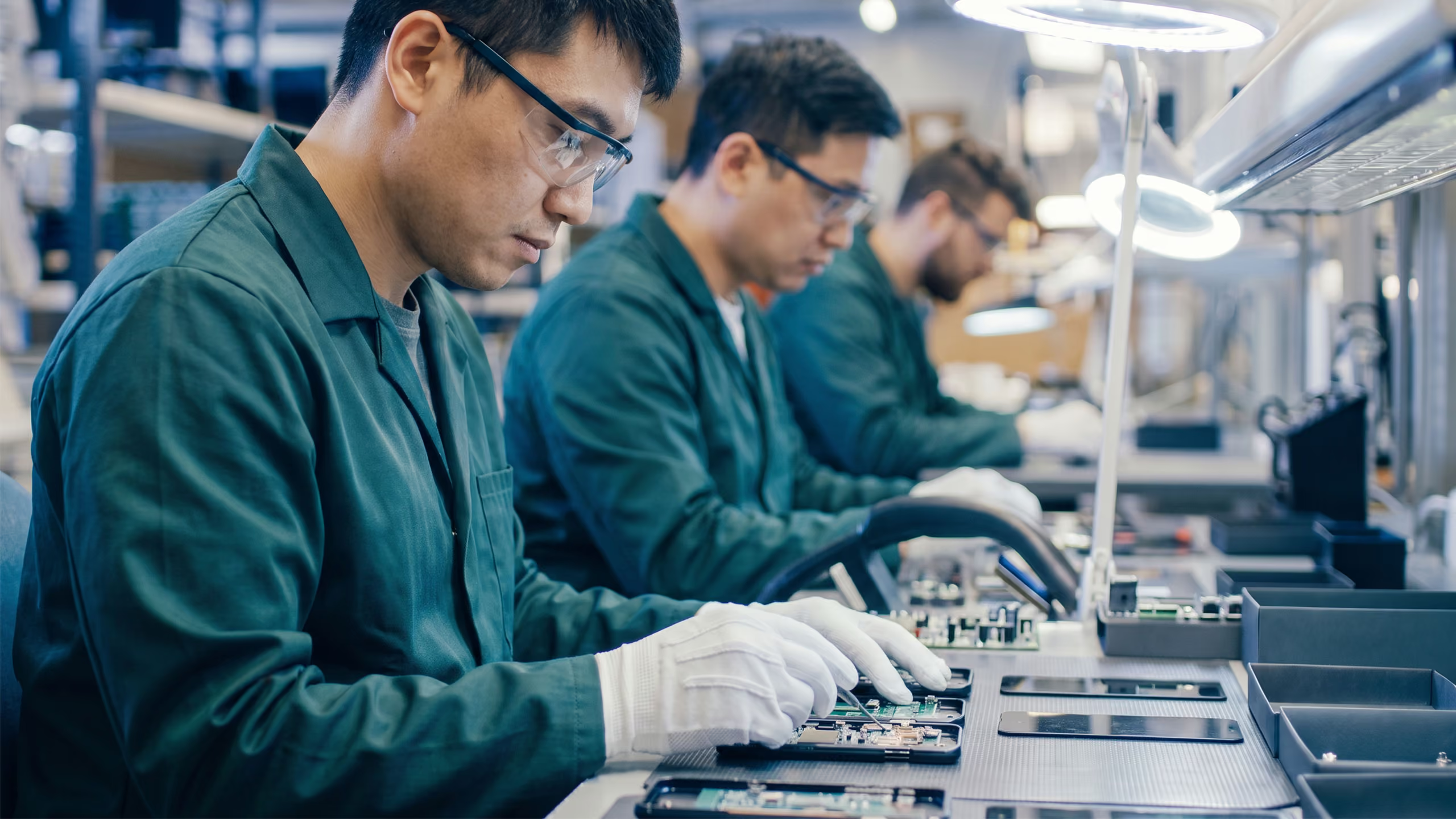
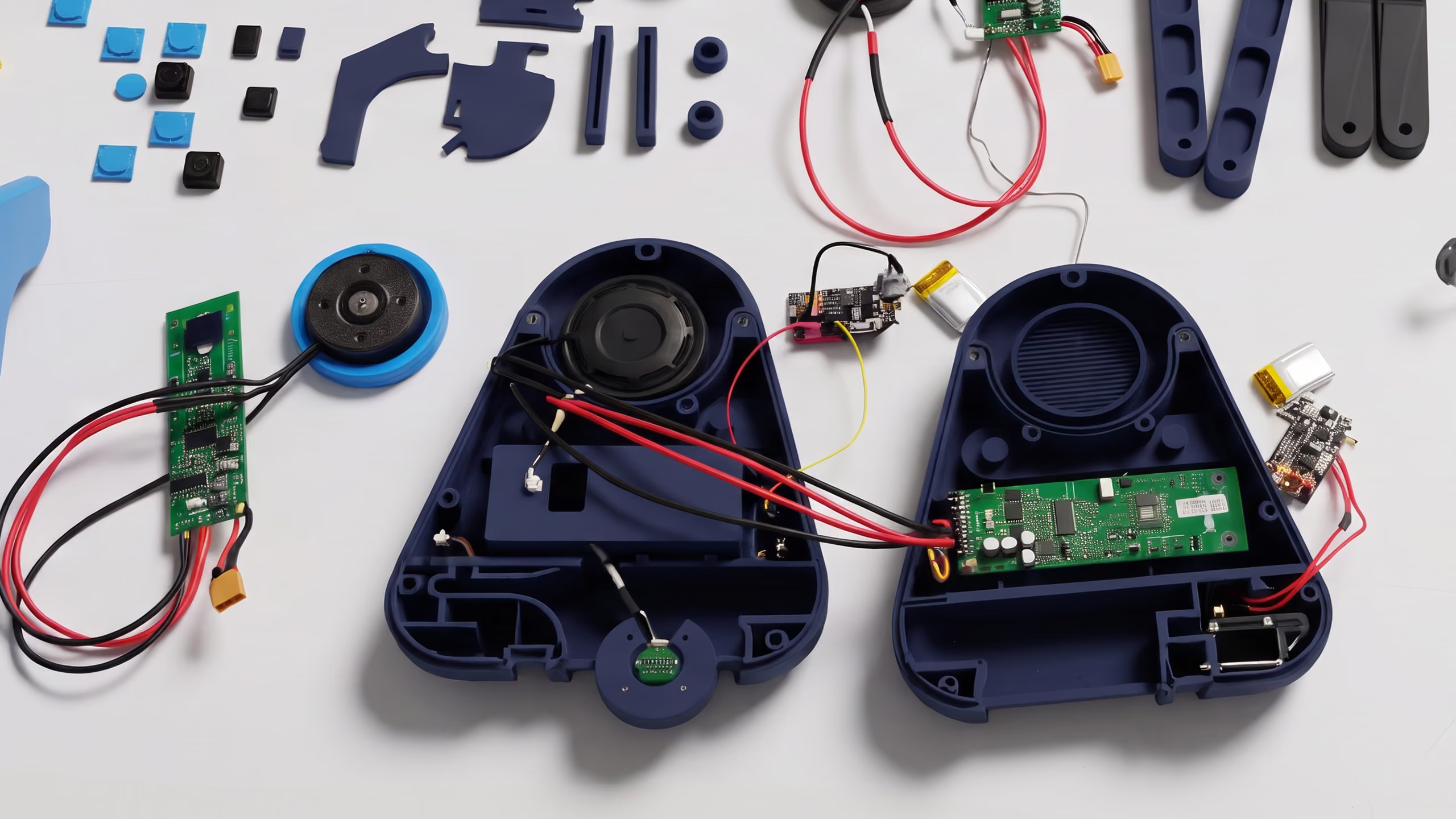
  3. Electronics: Electronics such as circuit boards, sensors, and displays are essential for testing functionality and performance in prototypes involving technology.

Levels of Fidelity

Functional prototypes can vary in fidelity, which refers to how closely they resemble the final product:

  1. Low-Fidelity Prototypes: These basic models represent the product’s functionality. They are helpful for early-stage testing and concept validation, allowing designers to explore different ideas and approaches.
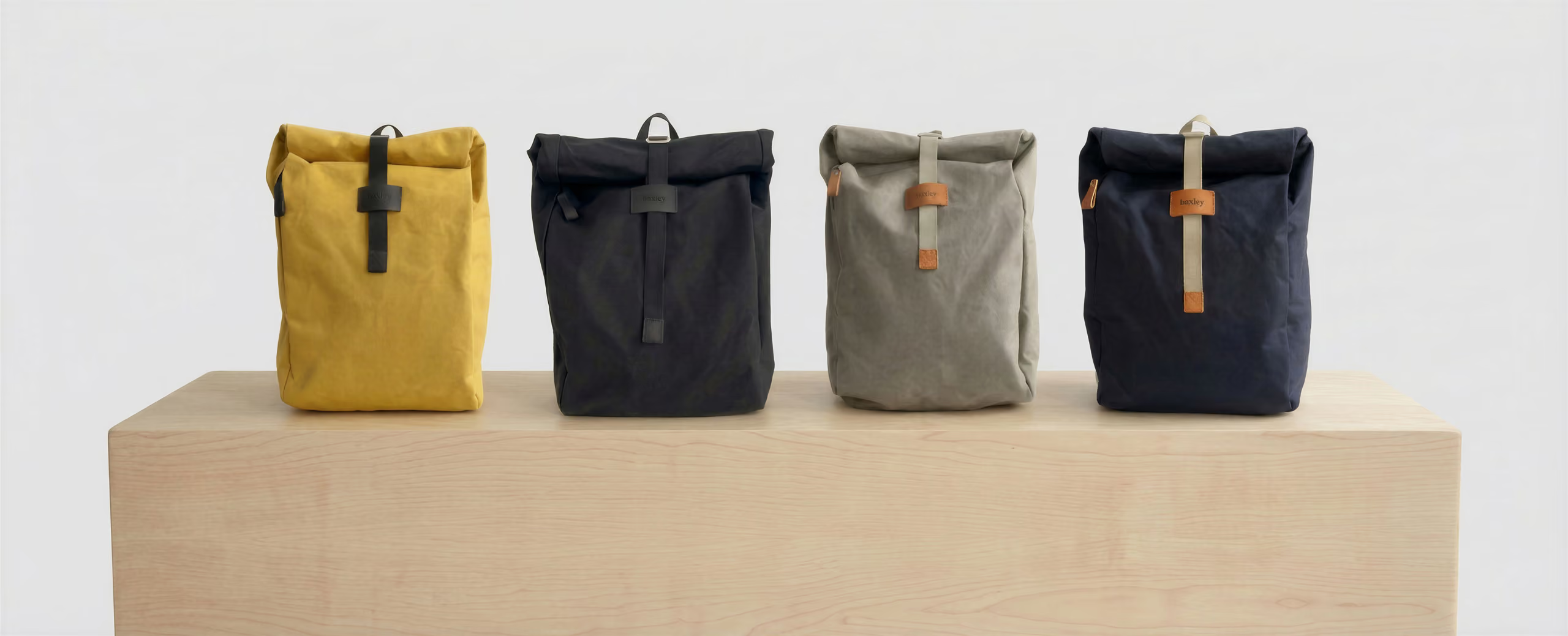
  2. High-Fidelity Prototypes: These prototypes are more detailed and closely mimic the final product’s look, feel, and function. They are used for in-depth testing and user feedback, providing a more accurate assessment of the product’s performance and usability.

Stages of Developing a Functional Prototype

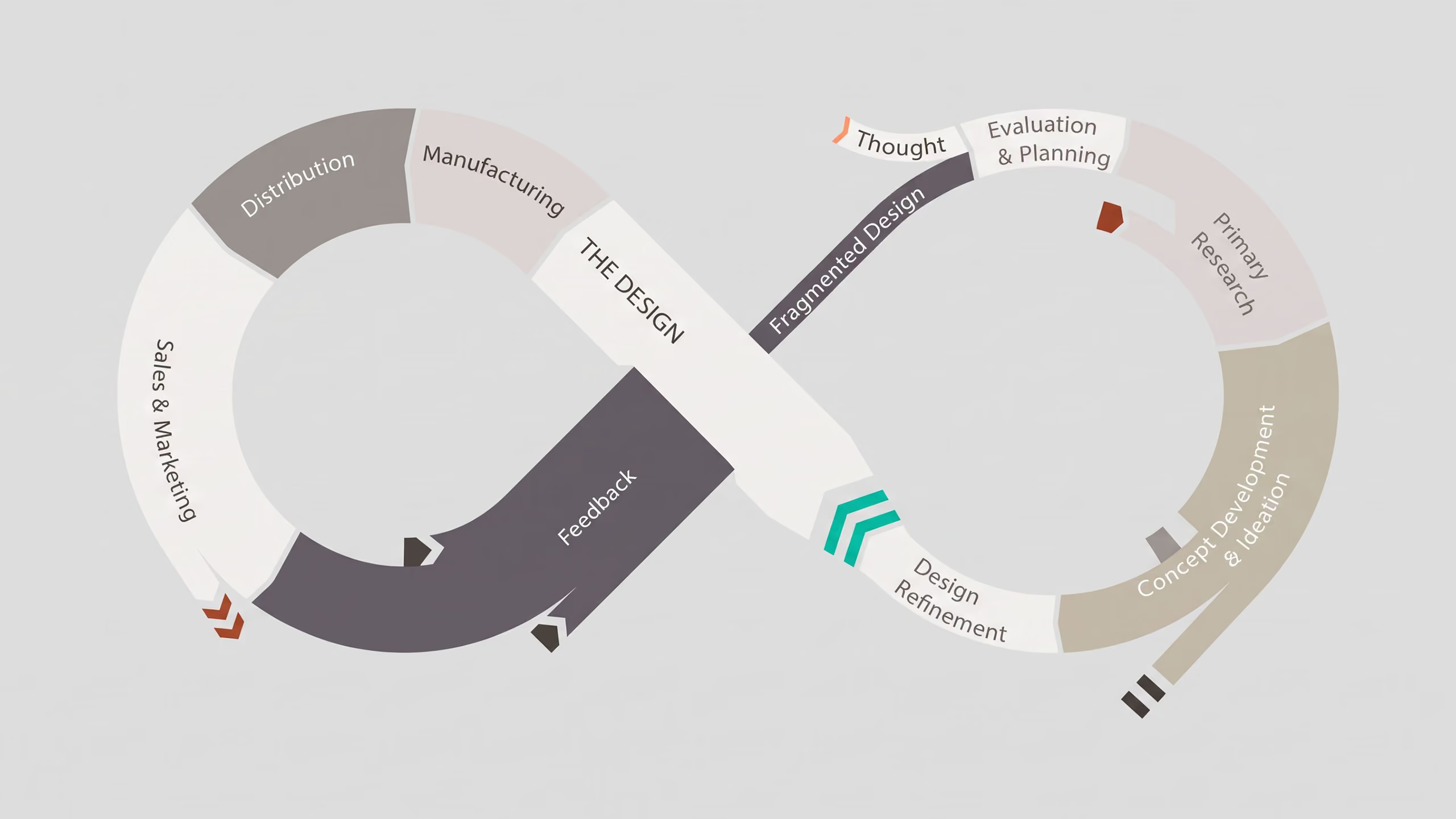
Developing a functional prototype involves several key stages, each contributing to the creation of a model that accurately represents the final product:

Conceptual Design Phase

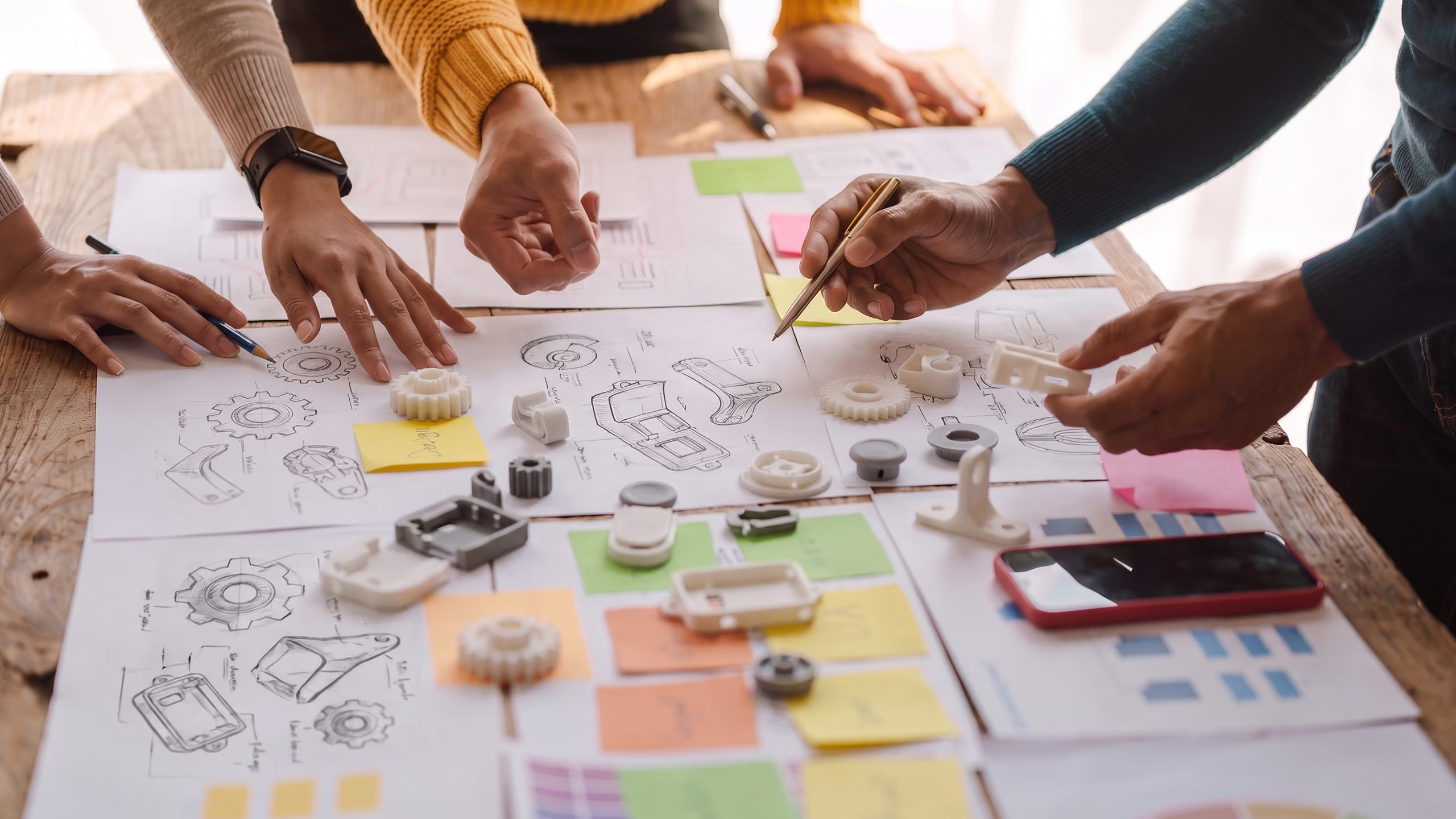
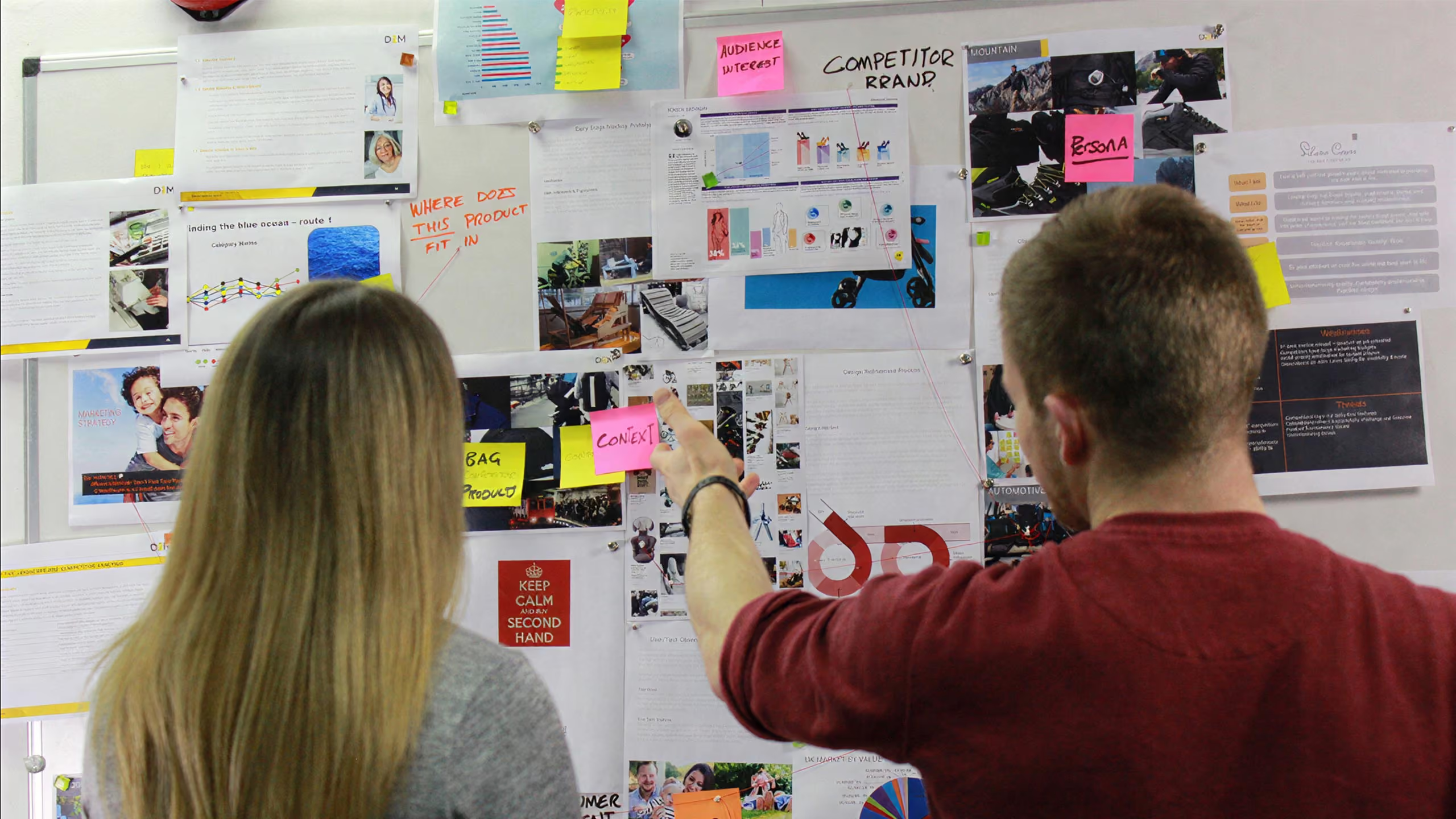
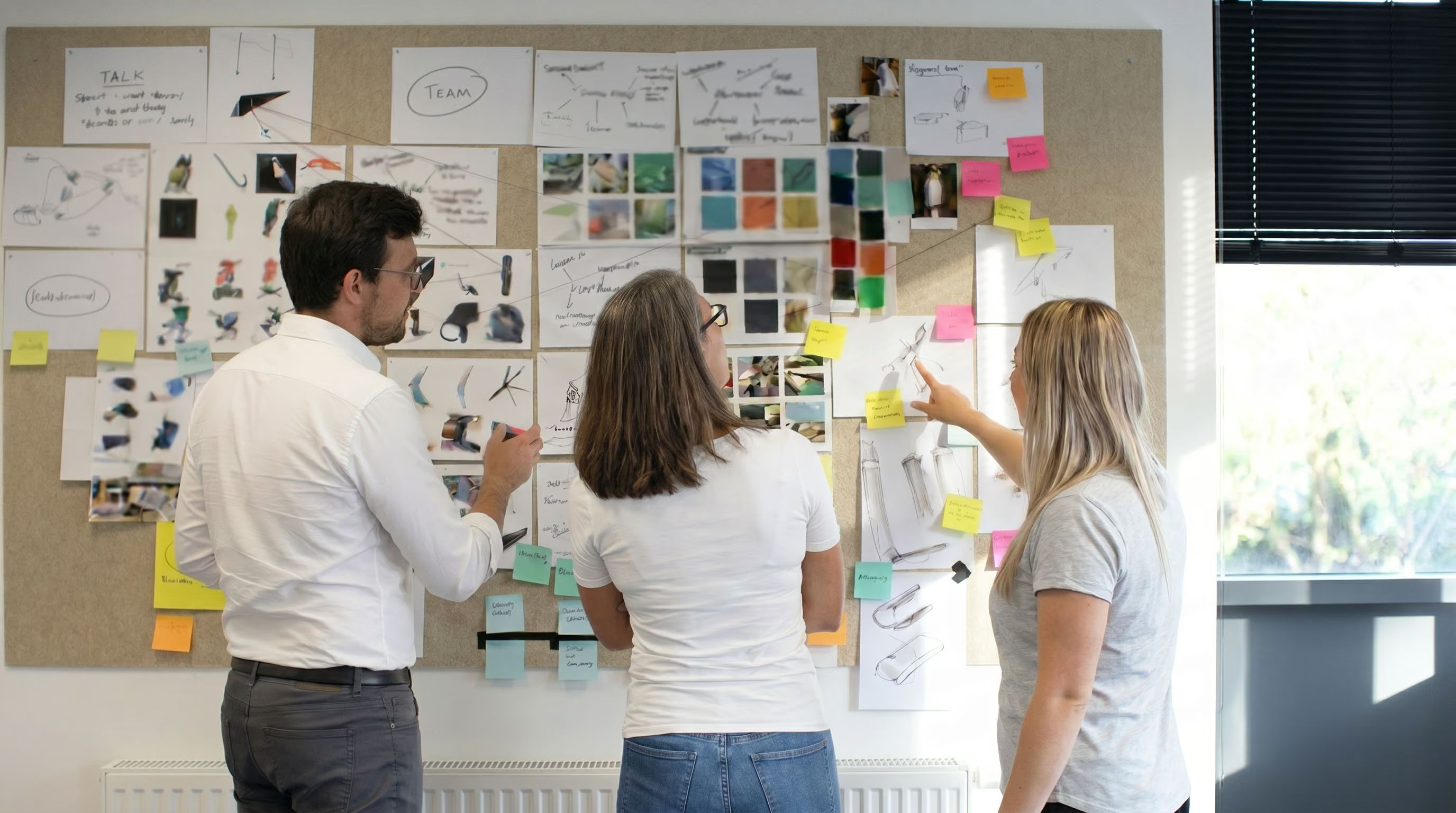
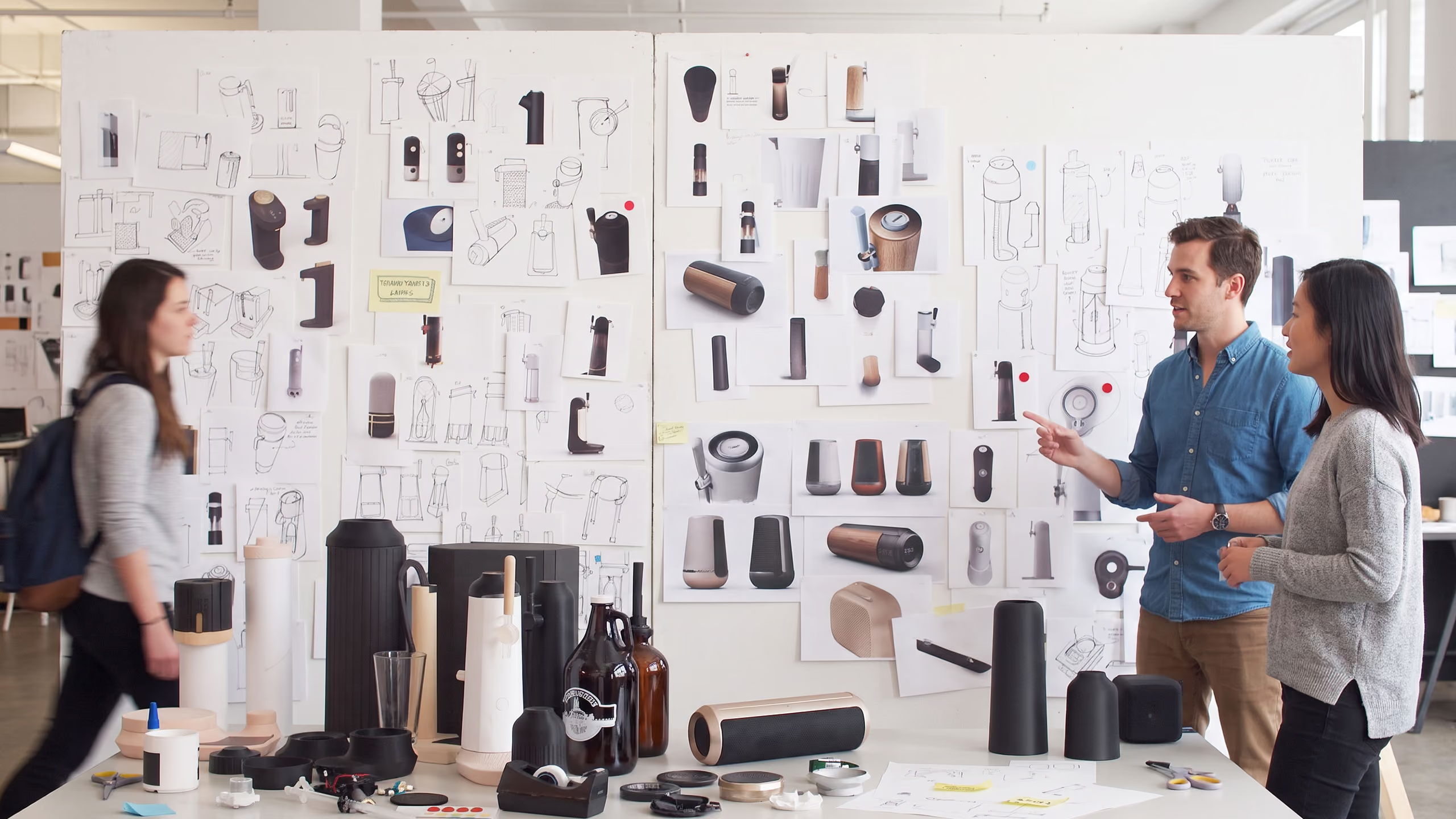
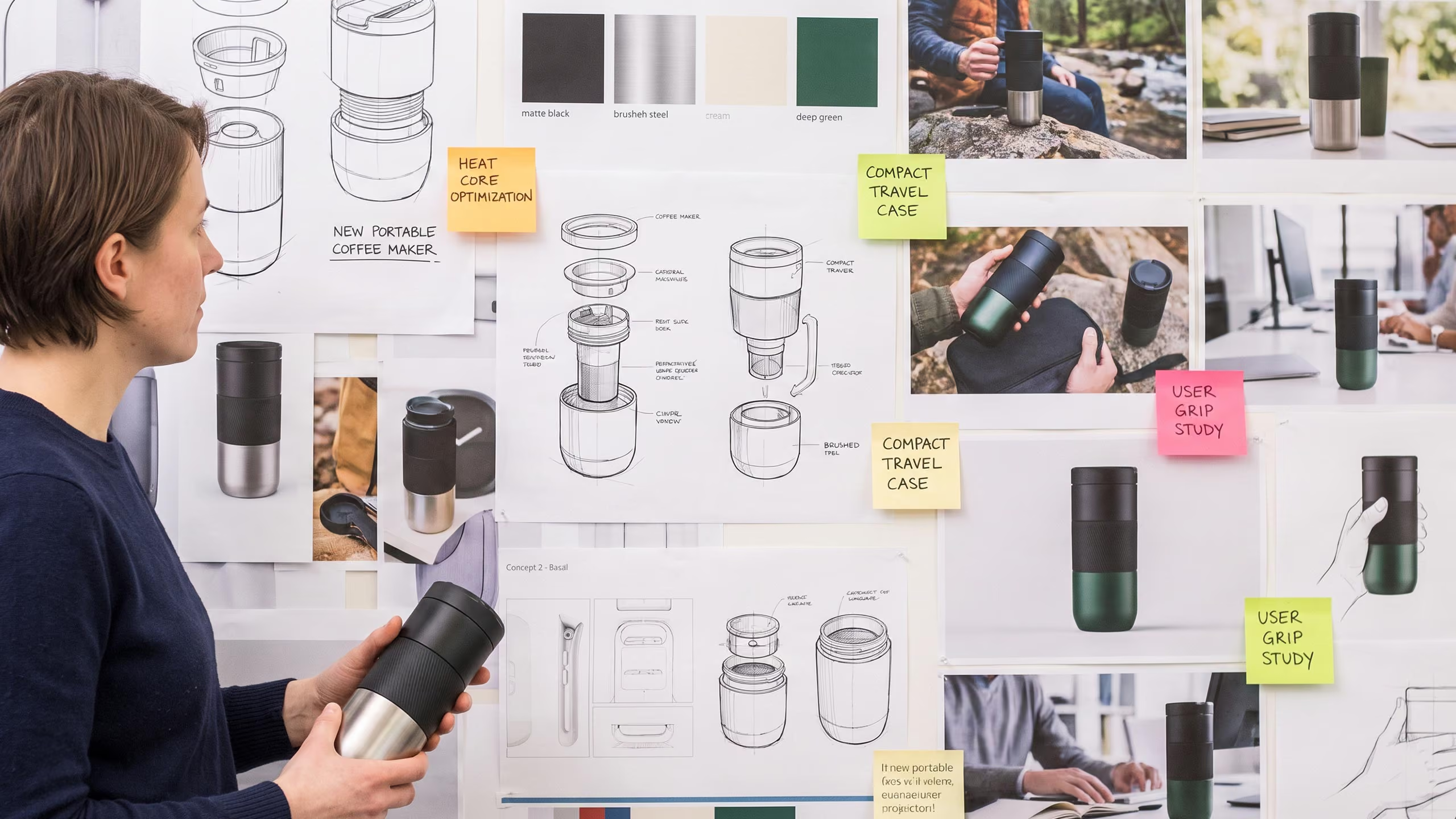
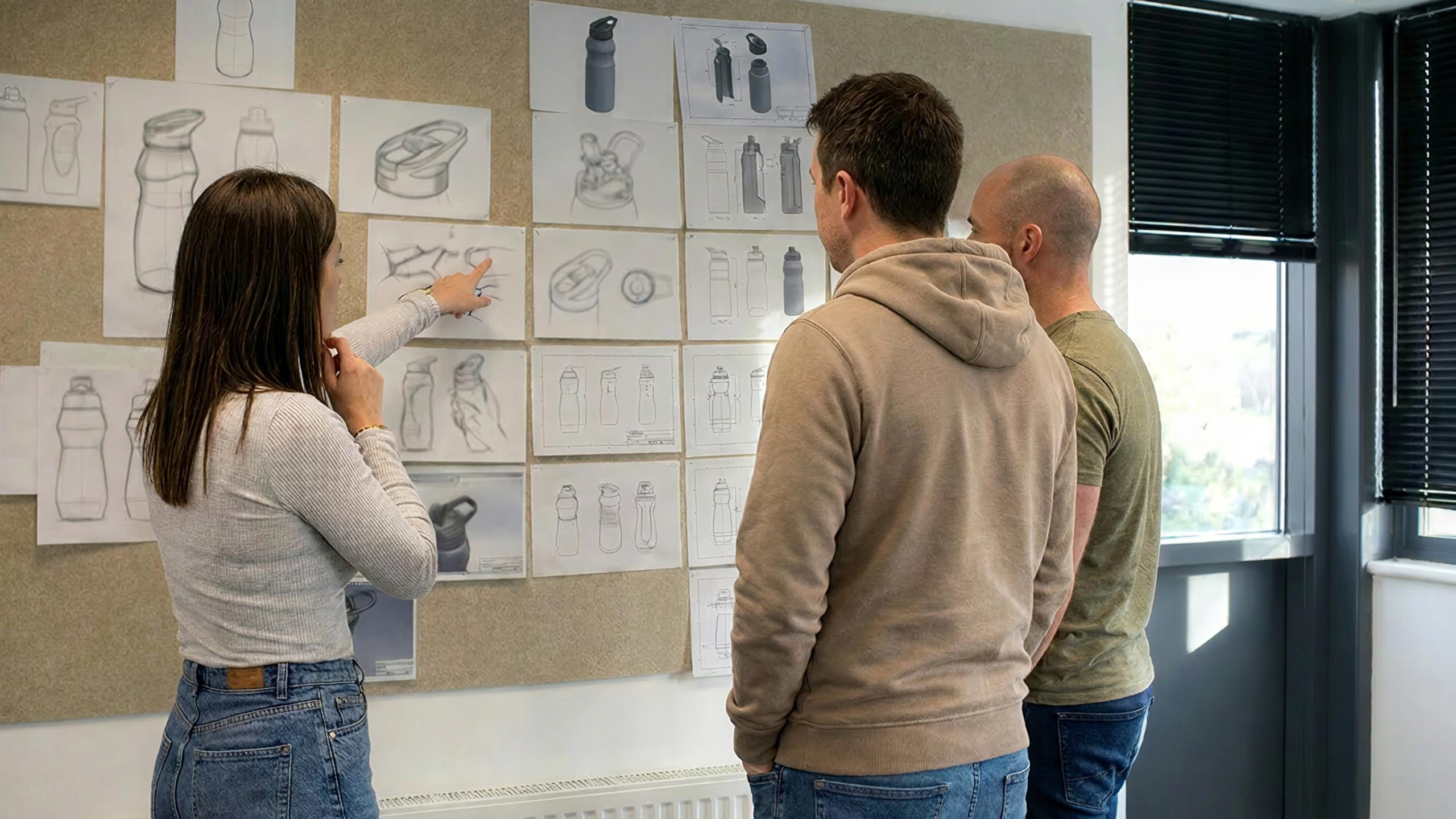
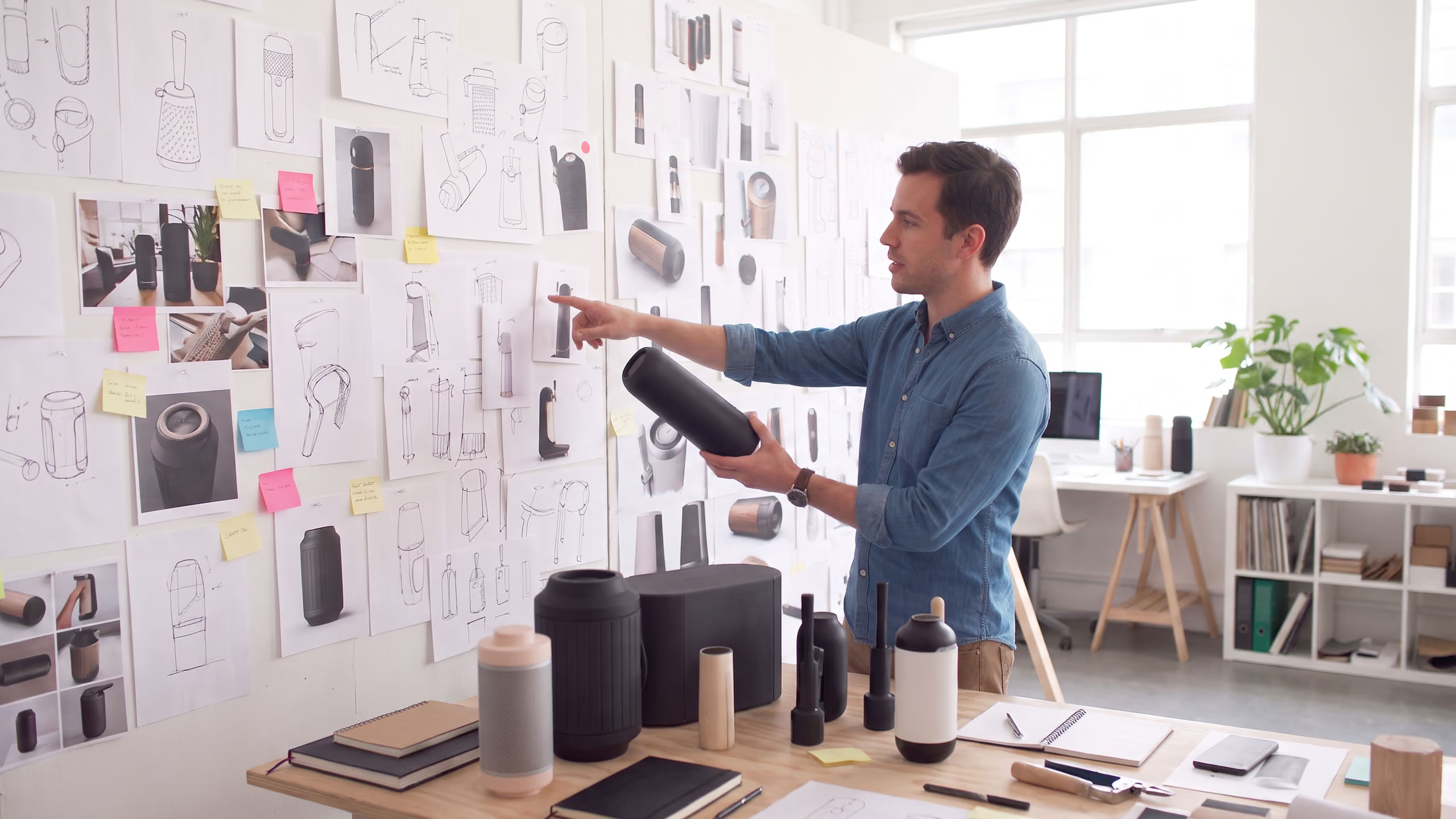
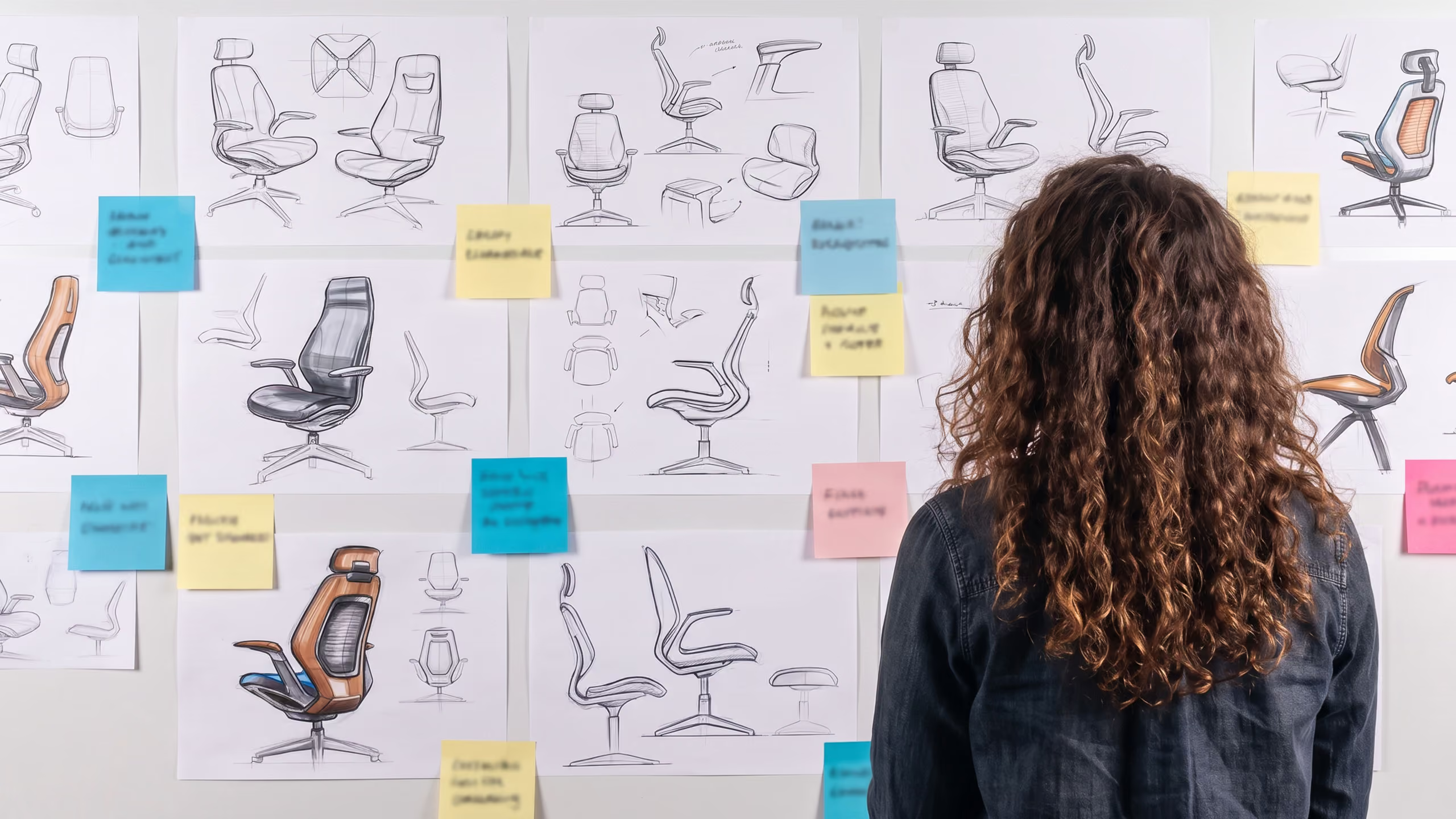
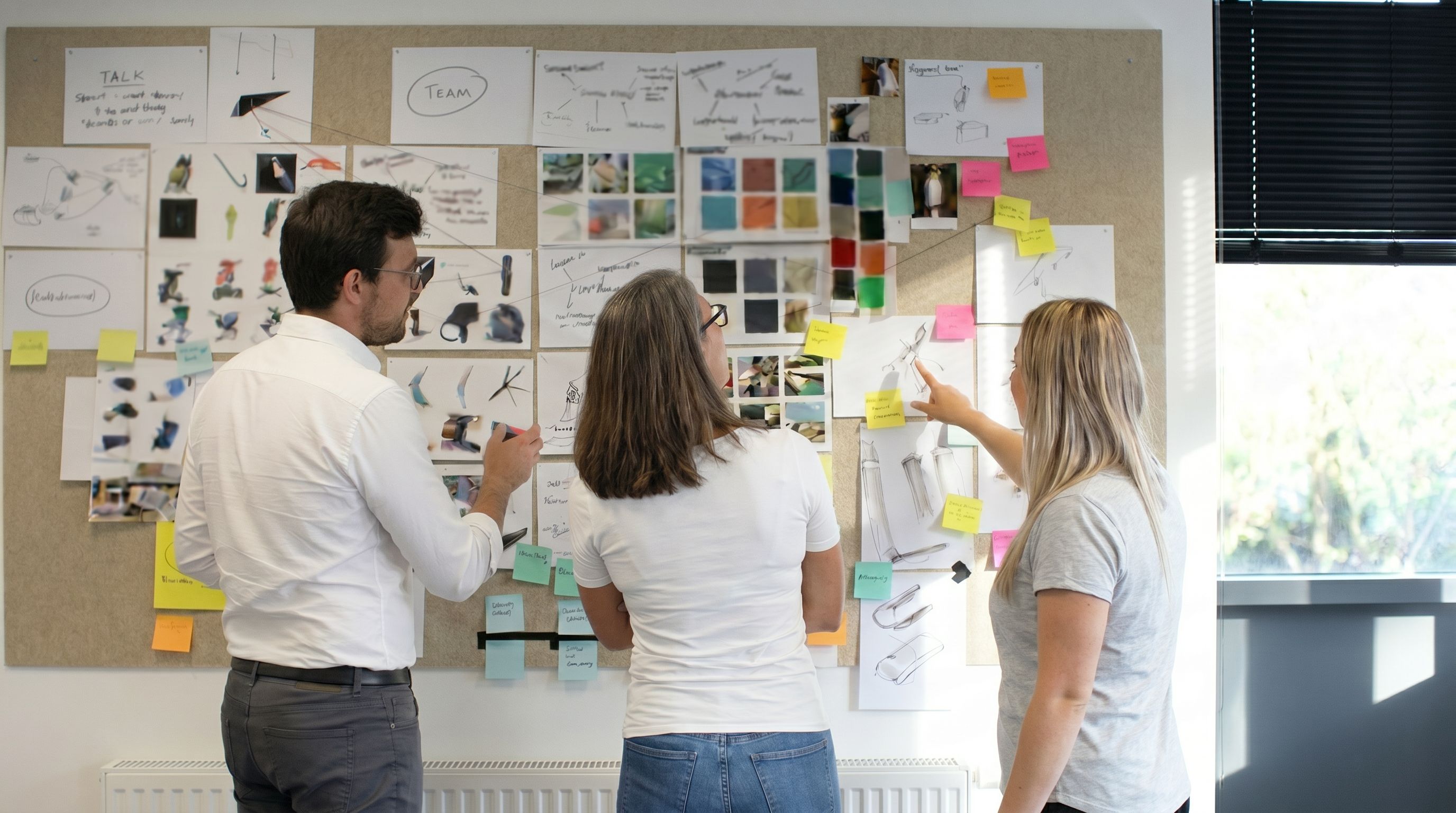
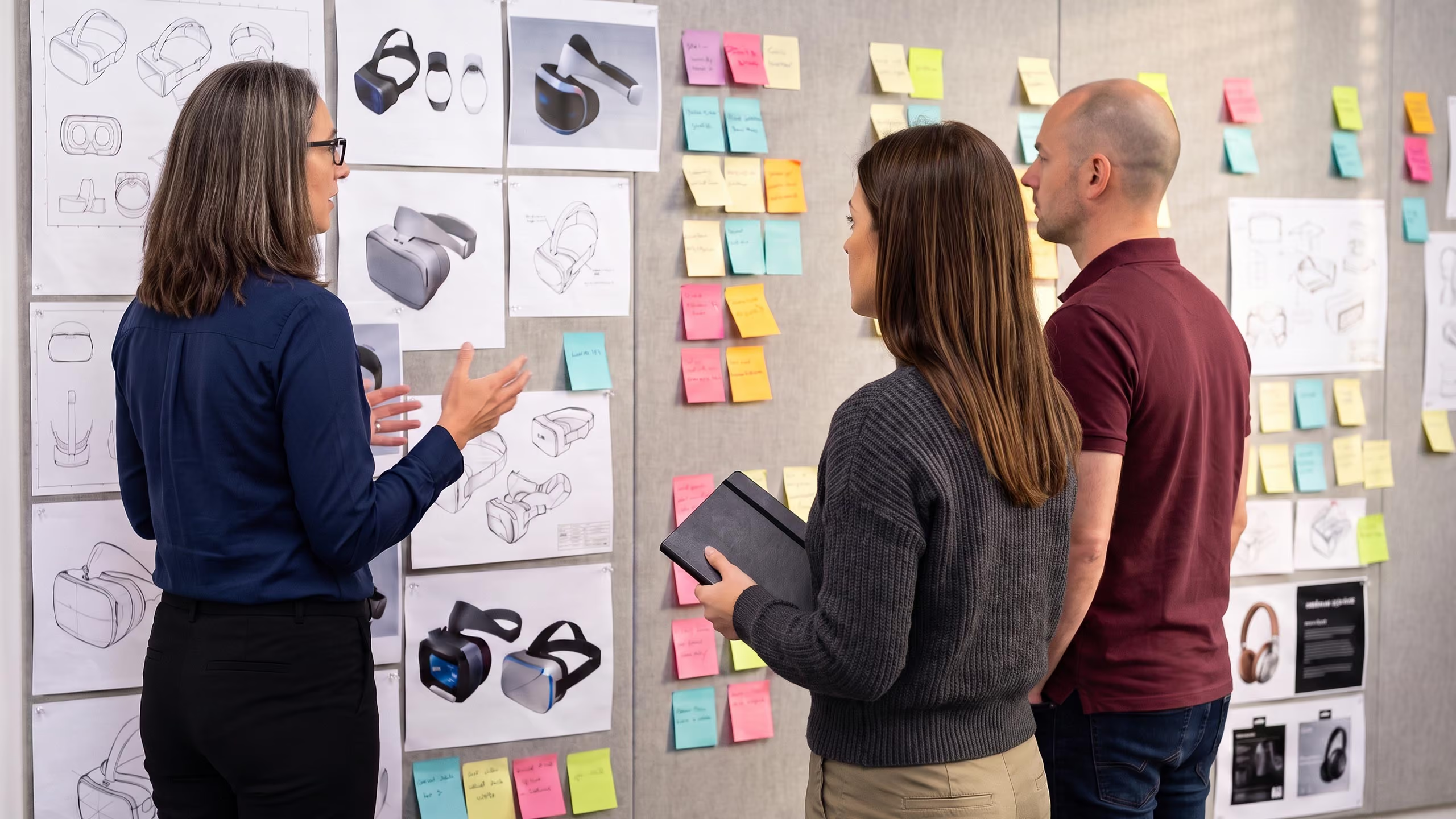
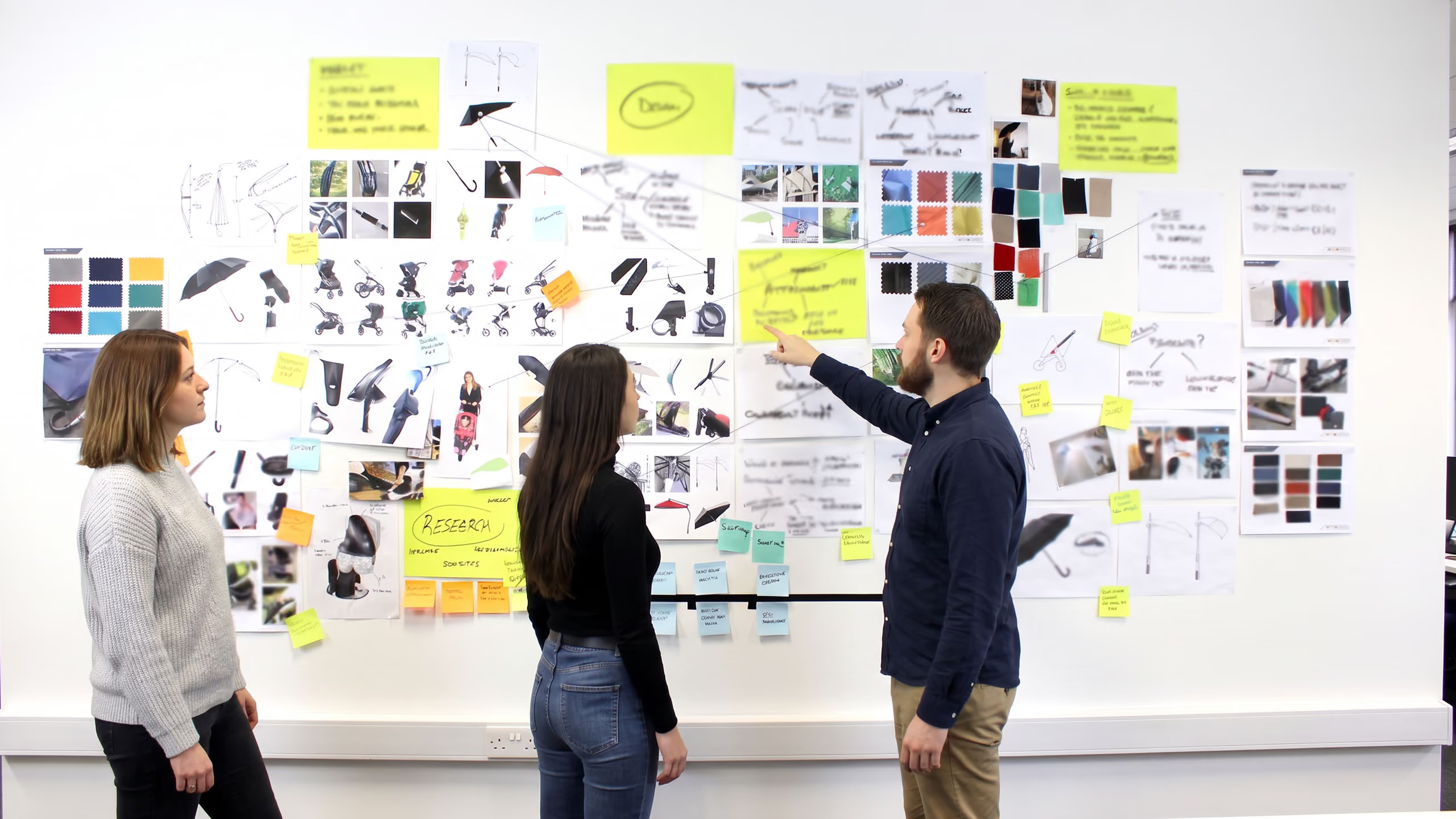
This initial stage focuses on defining the product’s functionality and determining the design requirements. This involves brainstorming ideas, sketching concepts, and outlining the essential features and components. The goal is to create a clear vision of what the prototype should achieve and how it will be used for testing and validation.

Detailed Design and Engineering

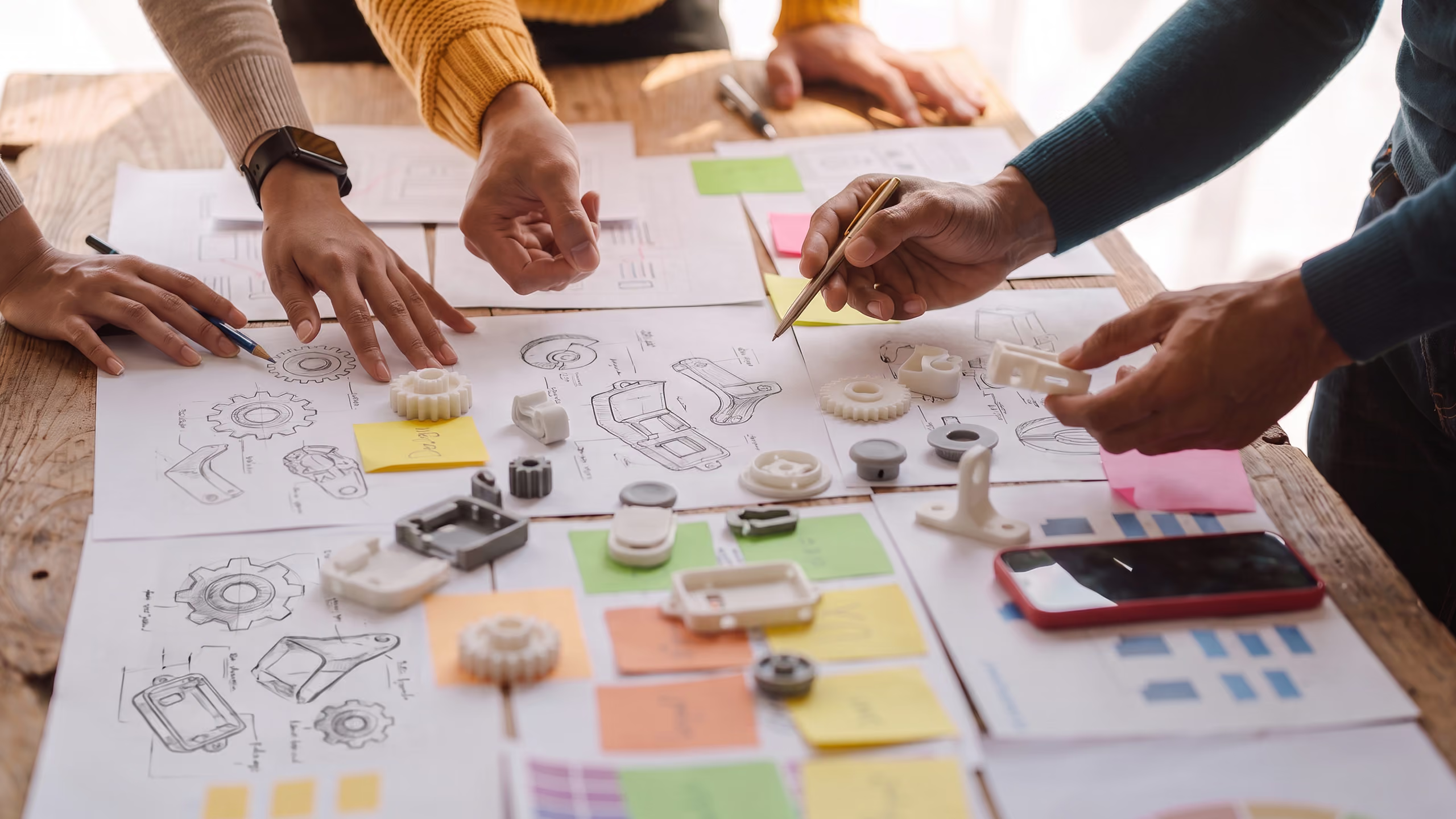
Once the conceptual design is established, the next phase involves translating the design into technical specifications. Engineers and designers create detailed drawings, schematics, and models that outline the prototype’s components, materials, and assembly processes. This stage ensures the prototype will be built to meet the design requirements and function as intended.

Fabrication and Assembly

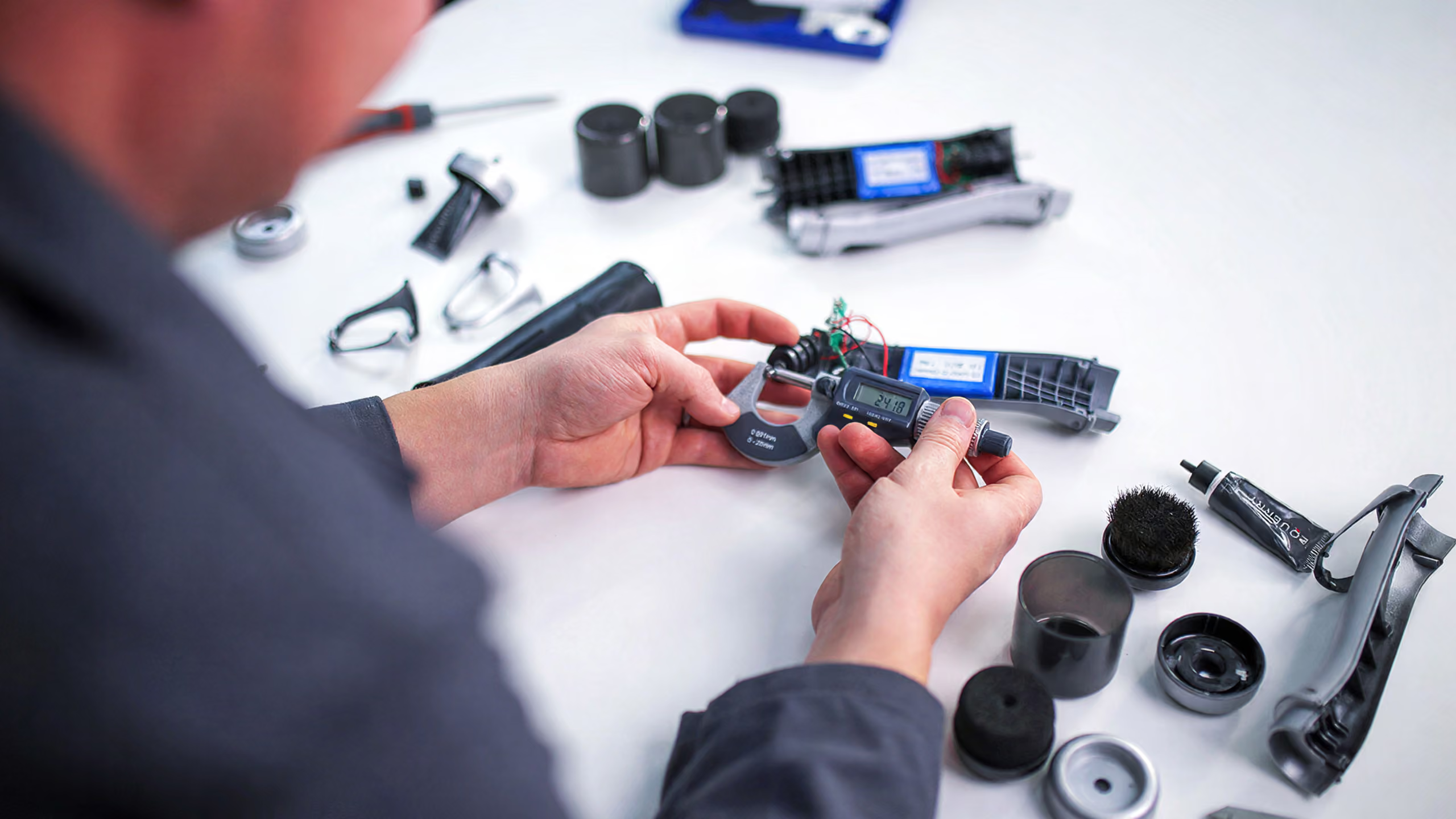
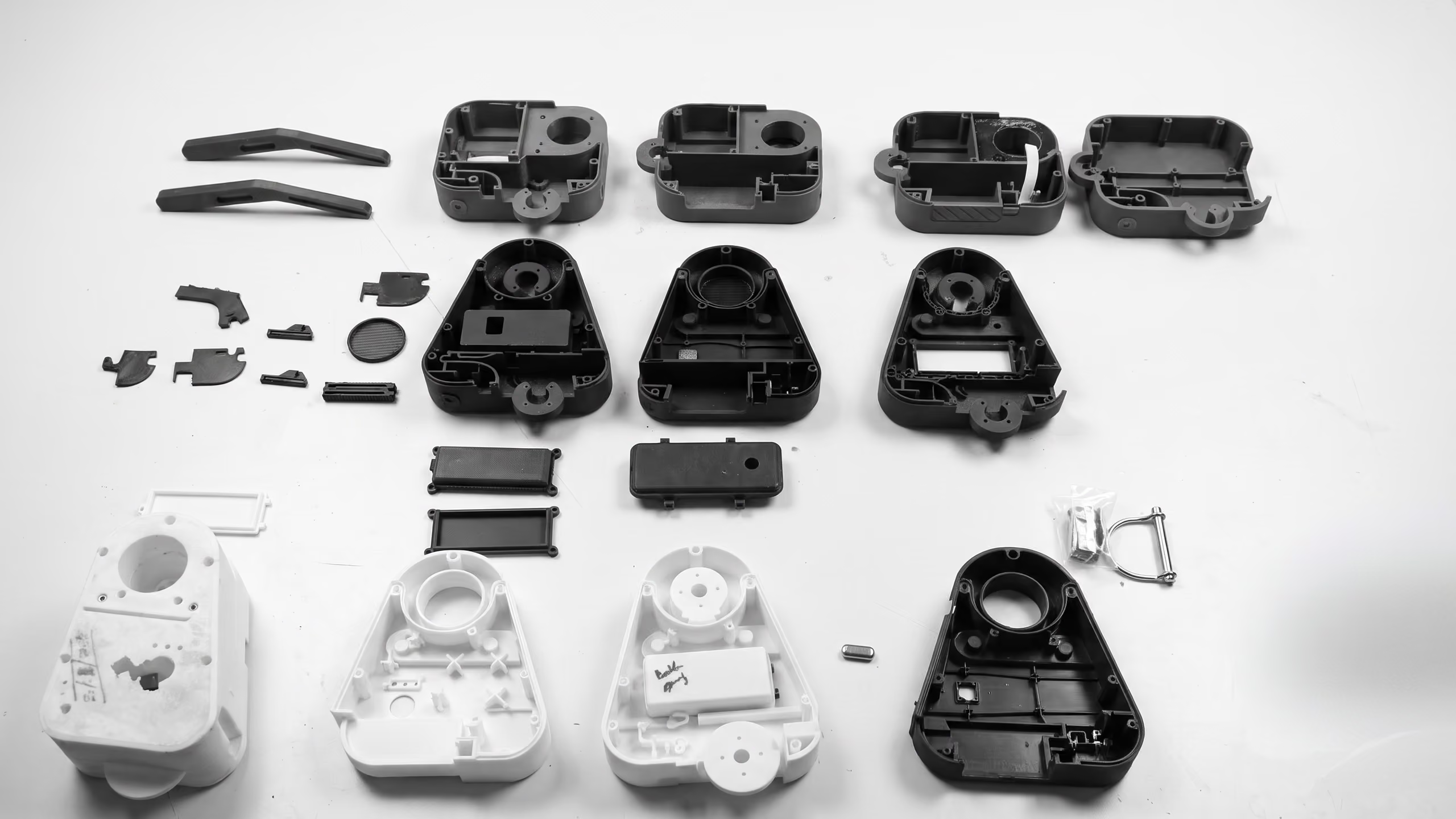
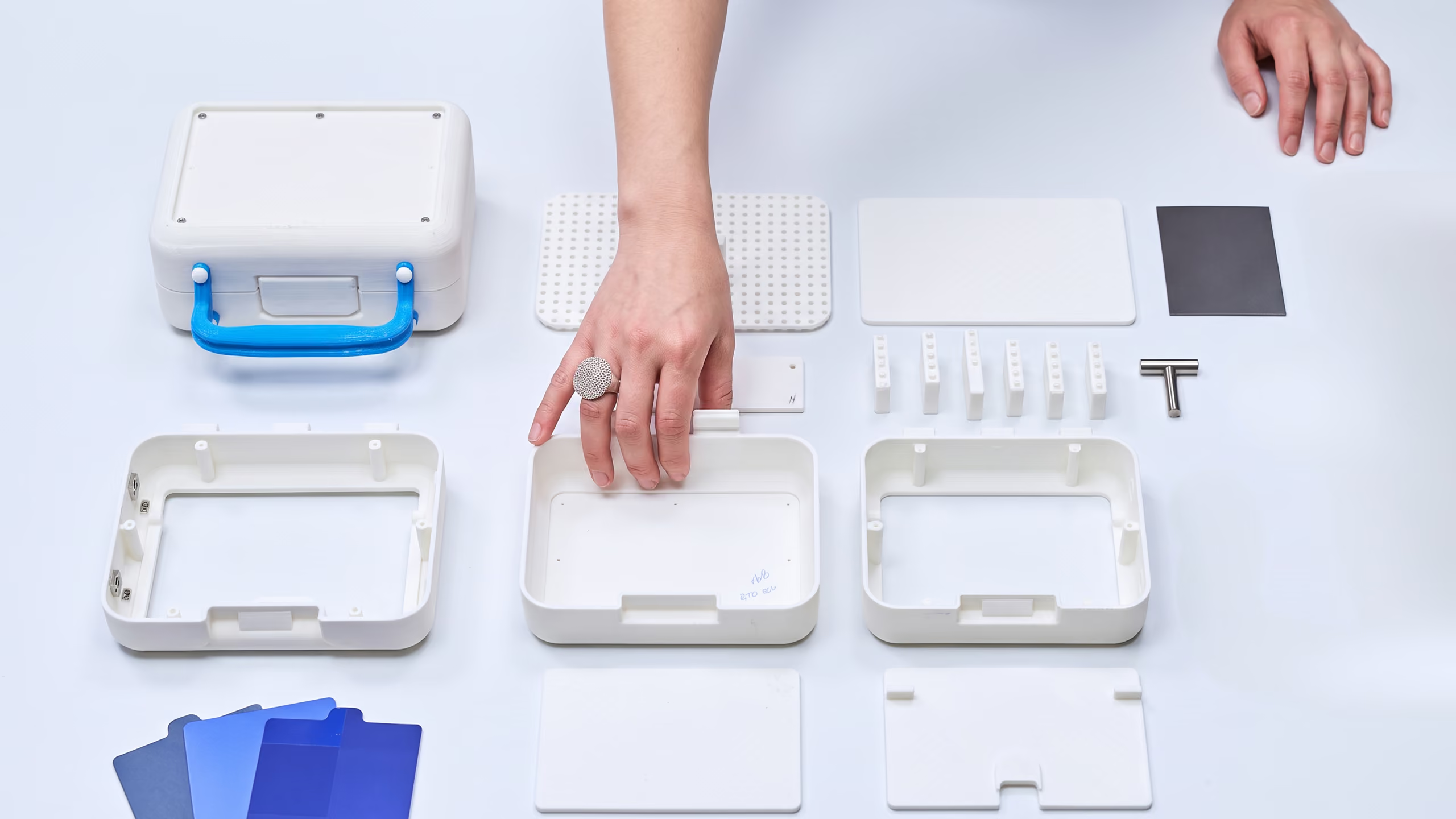
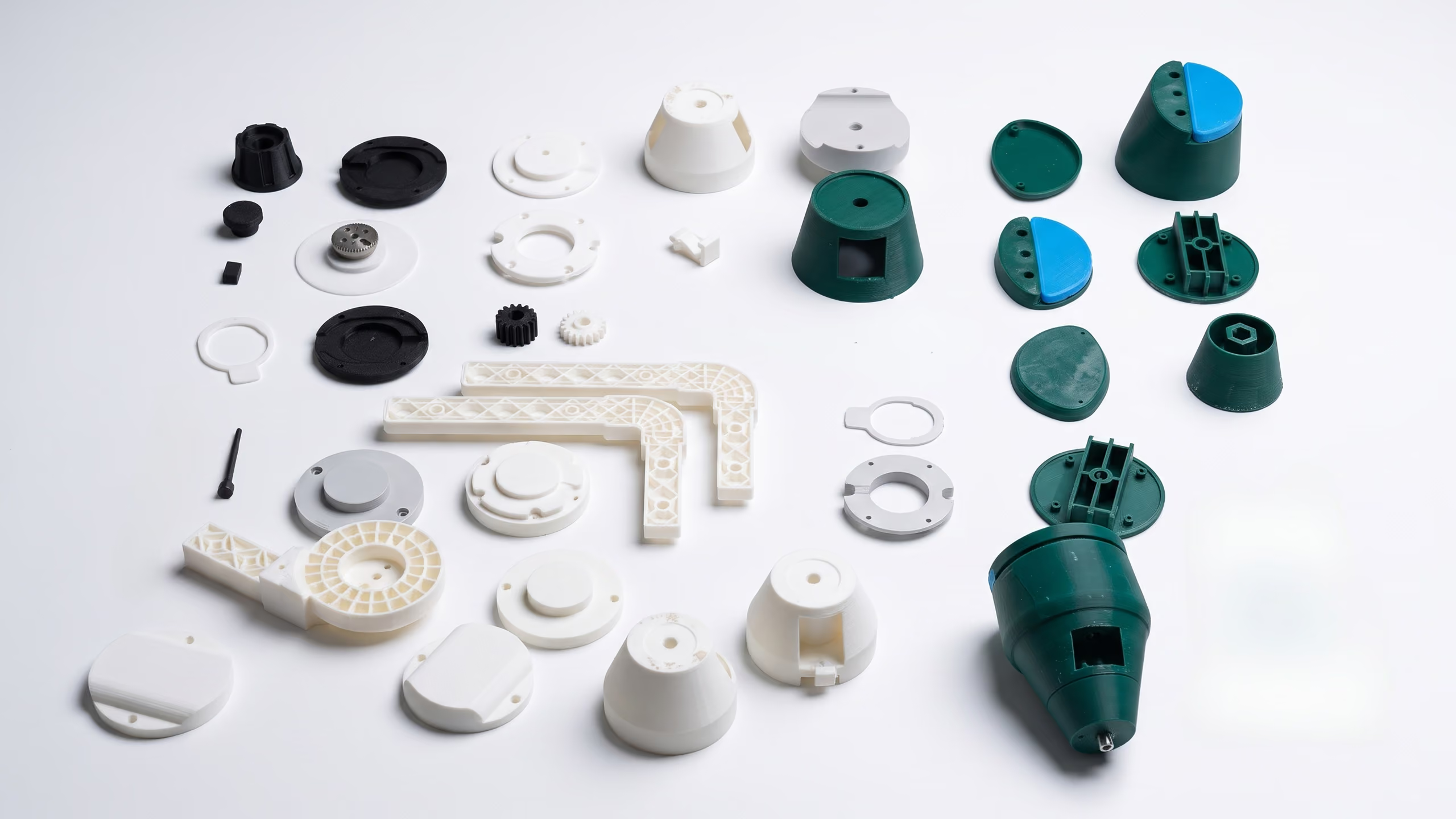
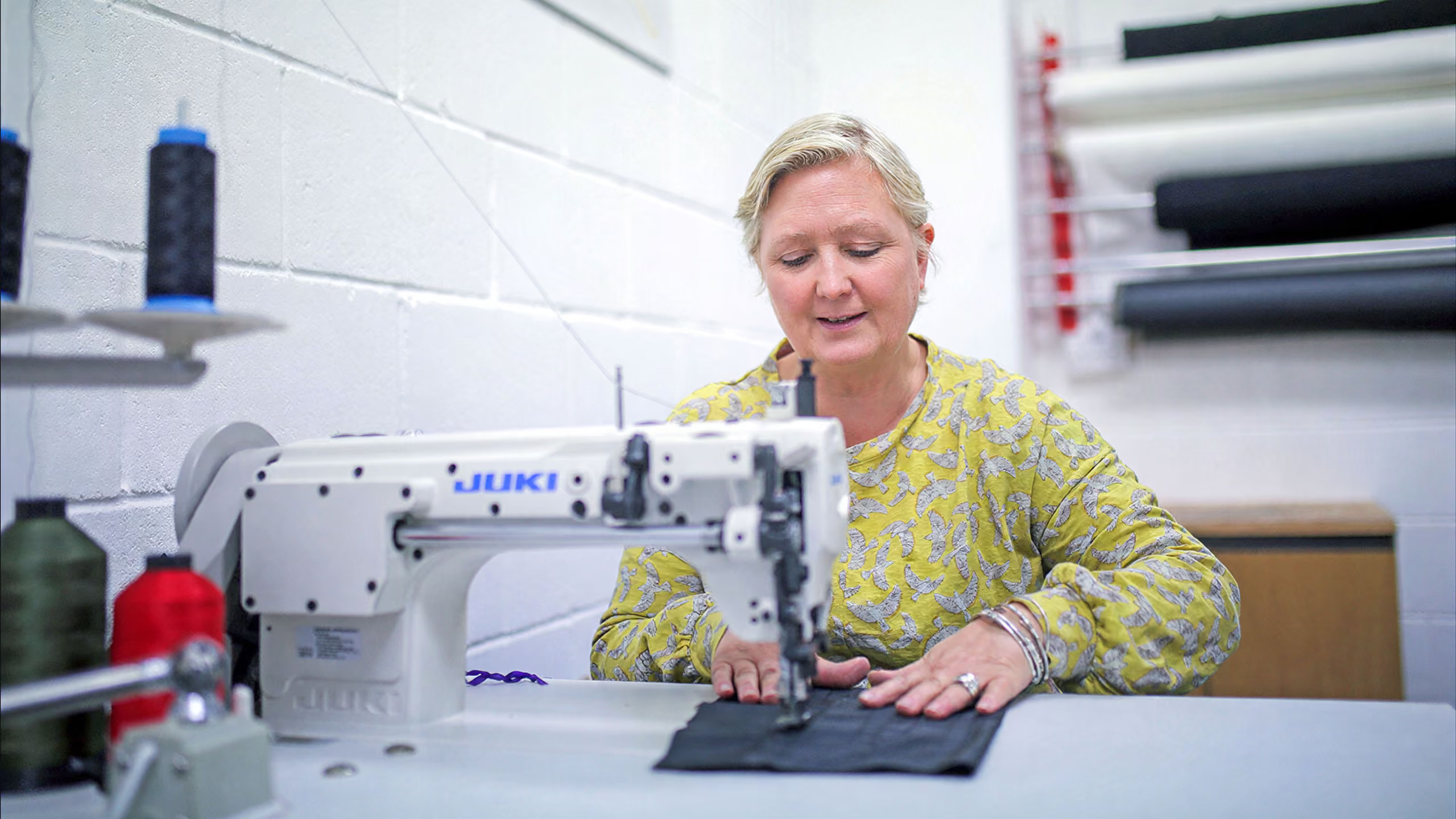
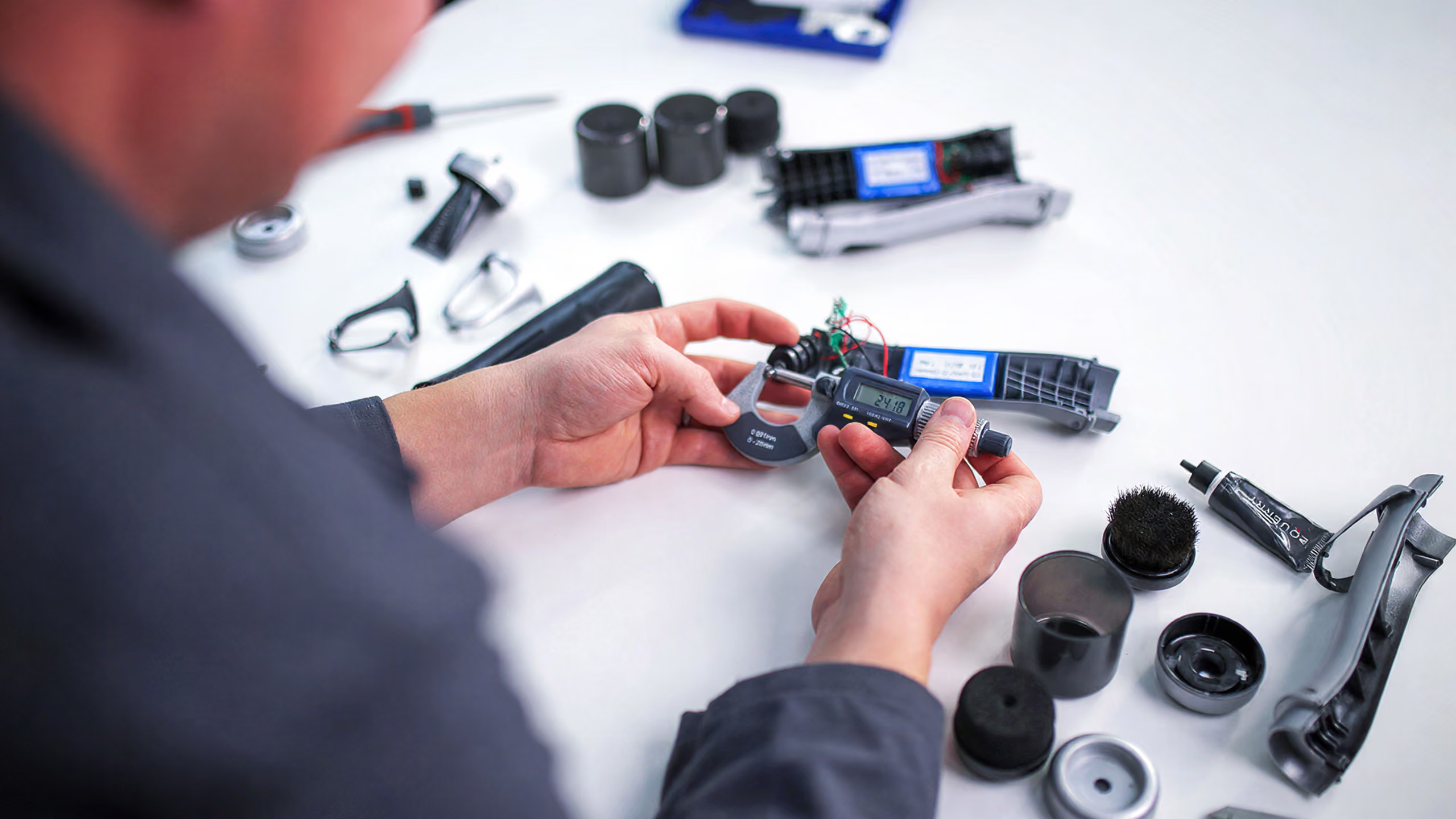
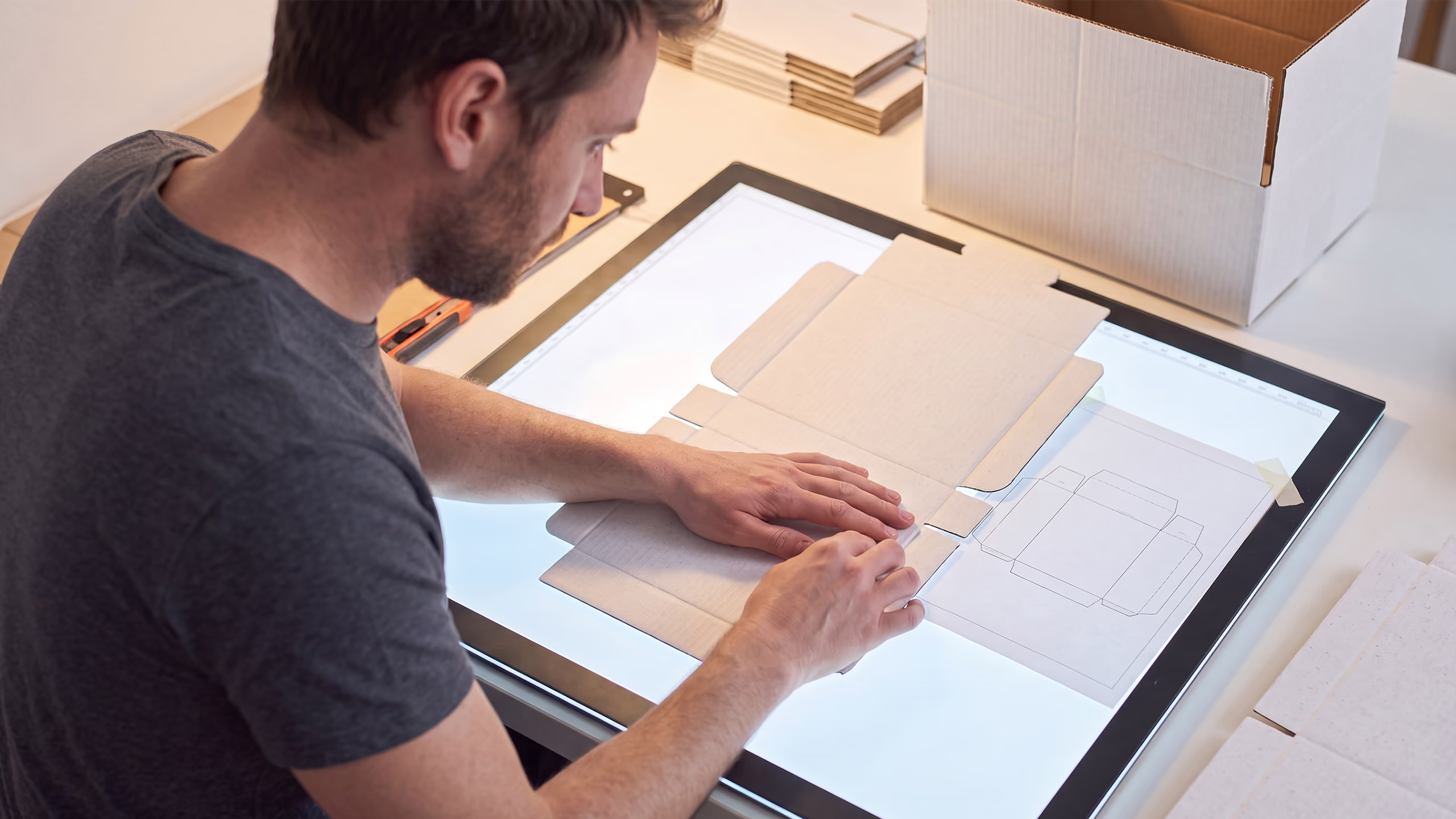
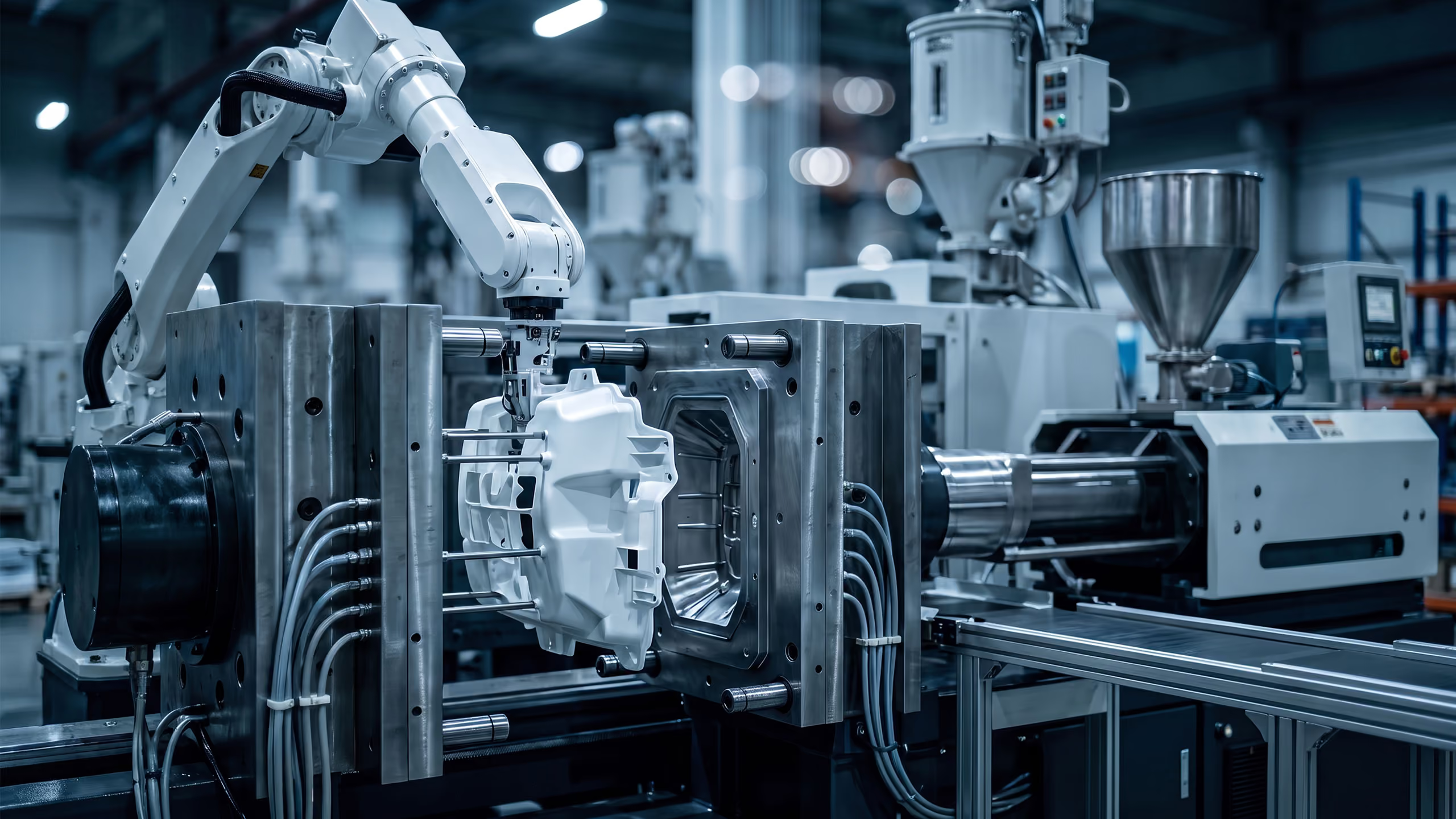
With the detailed design in place, the fabrication and assembly phase begins. This involves creating the physical prototype using various techniques, such as 3D printing, CNC machining, or injection moulding. The components are manufactured and assembled to form a working product model. This stage requires precision and attention to detail to ensure the prototype accurately represents the final design.

Testing and Iteration

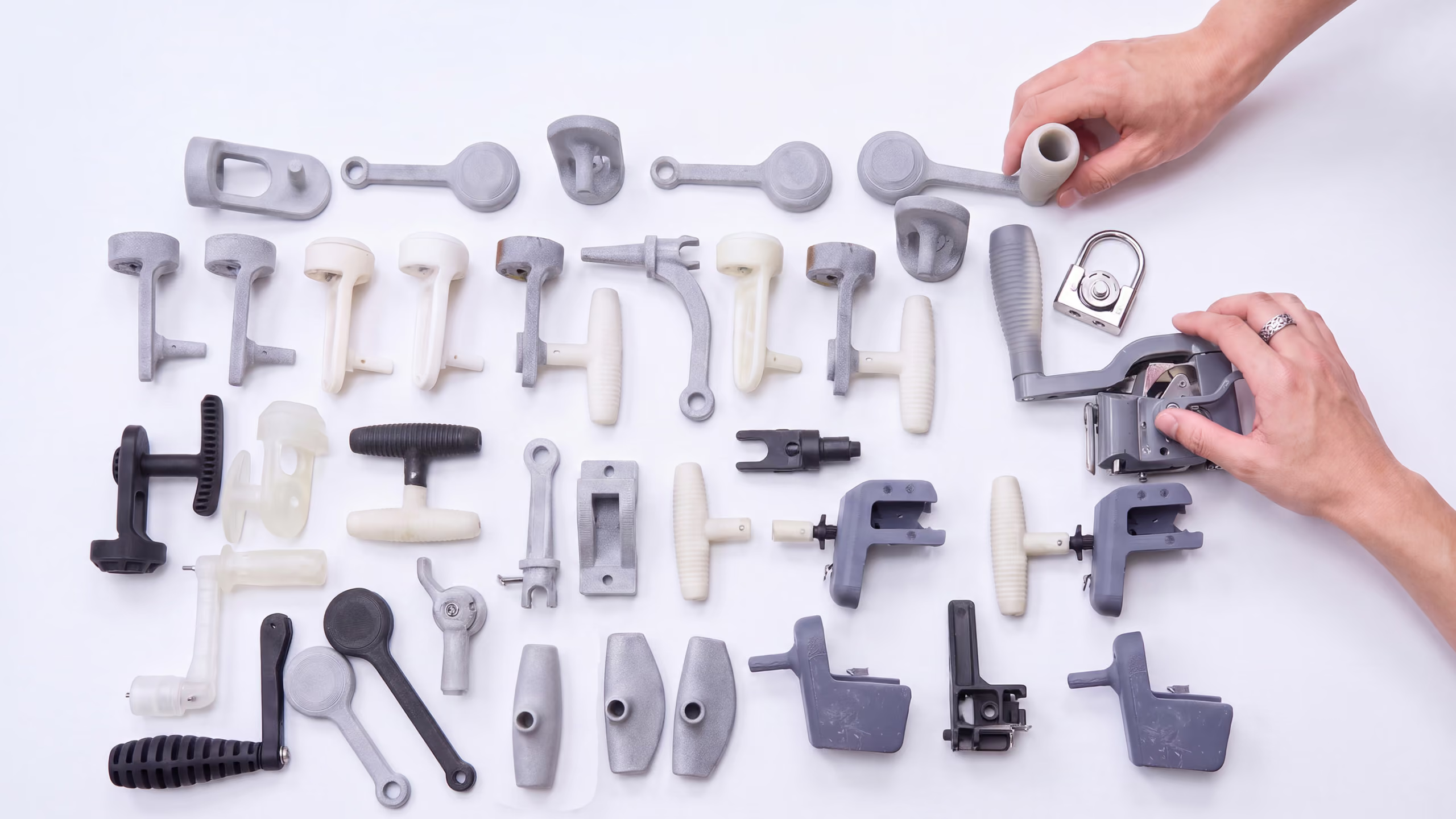
Testing is a critical phase in the development of a functional prototype. The prototype is tested for performance, functionality, and usability. Feedback from these tests is used to make necessary adjustments and improvements. This iterative process often involves multiple rounds of testing and refinement to address issues and optimize the prototype.

Benefits of Functional Prototypes

Functional prototypes offer several key benefits that can significantly impact the success of a product:

Identifying and Solving Design Flaws Early

By creating and testing a functional prototype, designers can identify design flaws and issues that might not be apparent in theoretical models or simulations. This early detection allows for timely corrections, preventing costly mistakes and ensuring the final product meets the intended design specifications.

Assessing Product Performance in Real-World Conditions

Functional prototypes provide insights into how the product performs in practical scenarios. This includes evaluating its durability, reliability, and overall performance under various conditions. By testing the prototype in real-world situations, designers can make informed decisions about necessary adjustments and improvements.

Gathering User Feedback to Refine Product Design

User feedback is invaluable in refining product design. Functional prototypes allow users to interact with the product and provide feedback on its usability and functionality. This feedback helps designers understand user needs and preferences, creating a more user-friendly and effective final product.

Reducing Risks Before Full-Scale Production

Developing a functional prototype helps identify and address potential risks before committing to full-scale production. By resolving issues early in the development process, designers can reduce the risk of costly production errors and ensure a smoother transition to manufacturing.

Standard Methods and Technologies Used to Make Functional Prototypes

Several methods and technologies are employed in developing functional prototypes, each offering distinct advantages:

Rapid Prototyping Techniques

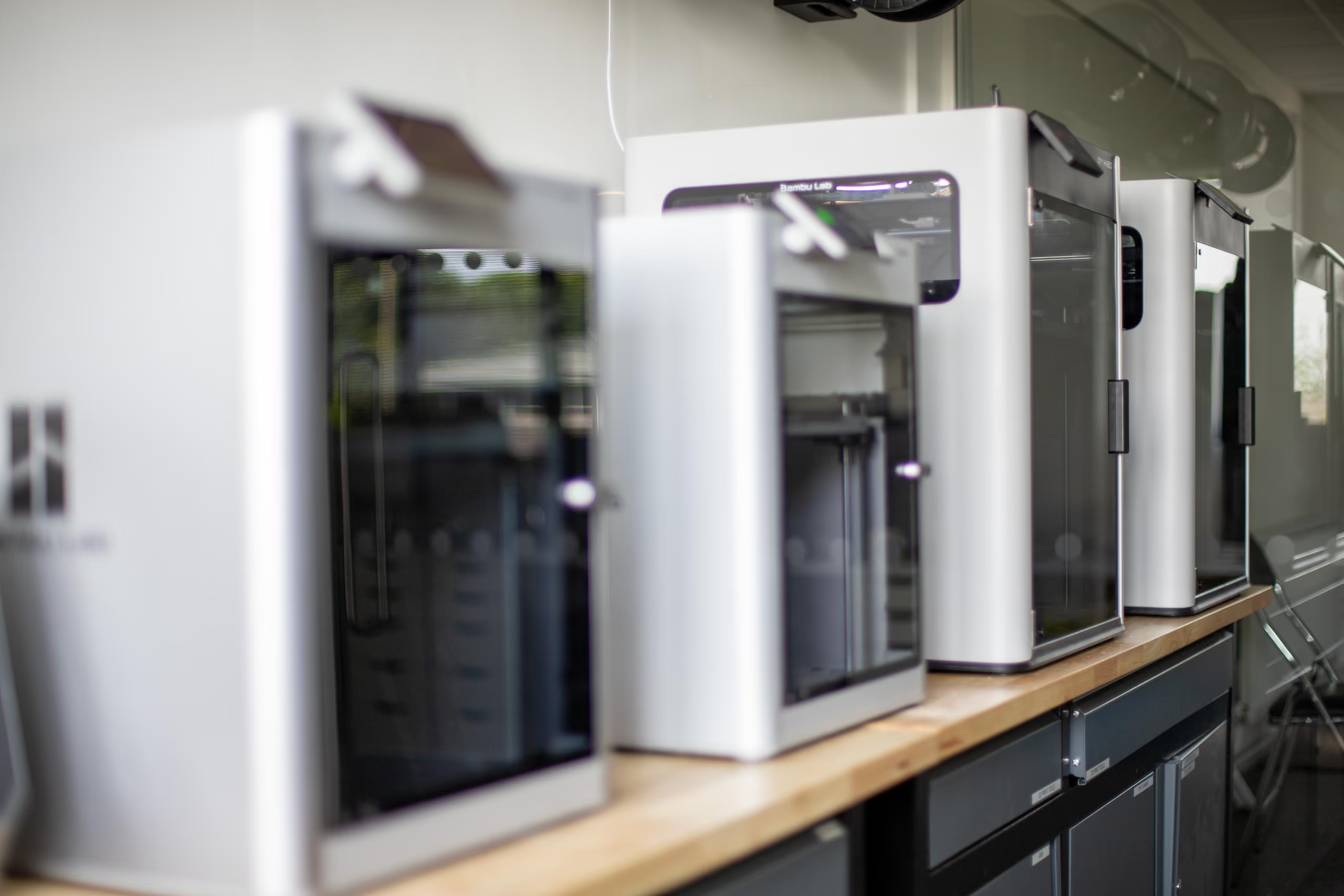
  • 3D Printing: This technique allows for the rapid and cost-effective production of prototype parts. 3D printing is beneficial for creating complex geometries and iterative design changes. It enables quick prototyping and testing of various design options.
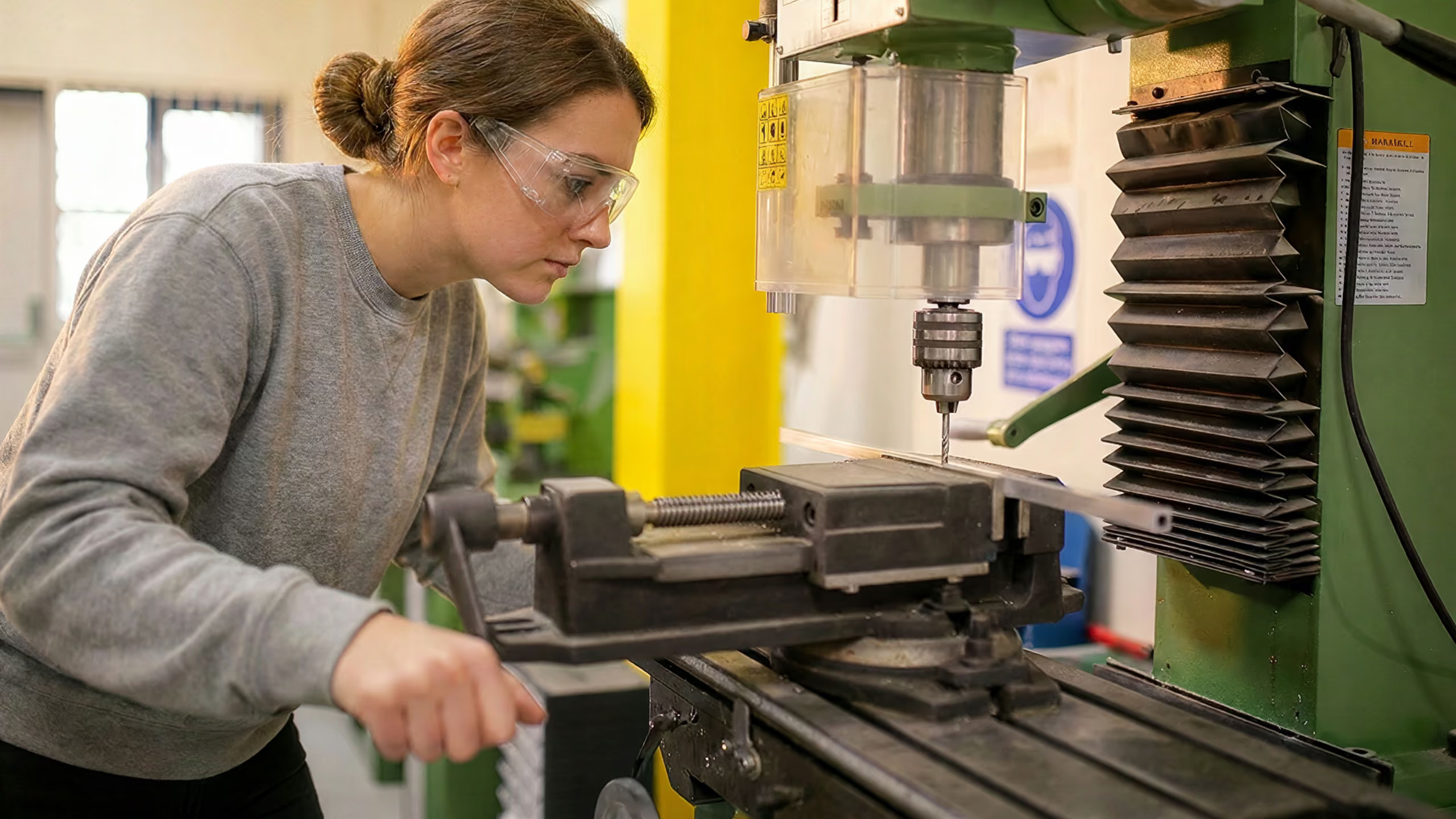
  • CNC Machining: CNC (Computer Numerical Control) machining provides high precision and durability for mechanical components. It is ideal for prototypes requiring exact specifications and can produce parts with tight tolerances and intricate details.

Integration of Electronics and Software

Integrating electronics and software is essential for prototypes involving technology. This includes incorporating circuit boards, sensors, displays, and other electronic components necessary for testing the product’s functionality and performance. Software integration allows for the evaluation of user interfaces and digital interactions.

Simulation and Virtual Prototyping Tools

Simulation and virtual prototyping tools help visualise and test the product in a virtual environment. These tools allow designers to assess the product’s performance and behaviour without physically building the prototype. Virtual prototyping can identify design issues early and provide valuable insights into product functionality.

How D2M can help with functional prototype

With our product prototype services, we excel in building functional prototypes for new product ideas by leveraging our extensive experience and advanced prototyping techniques. Our team of expert designers and engineers work closely with you to understand your product concept, ensuring that we develop a prototype that accurately reflects its intended functionality and user experience.

We use cutting-edge tools and materials to create detailed, working models, allowing you to test and refine your design before moving to full-scale production. Additionally, our iterative approach ensures that any necessary adjustments can be made quickly, helping to optimise the prototype for performance and manufacturability.

functional prototype

functional prototype FAQs

What is functional vs visual prototype?

Visual prototypes focus on the product’s appearance and design aesthetics, helping to visualise and refine the look and feel without concerning functionality. Functional prototypes, on the other hand, are designed to test and validate the product’s operational aspects, performance, and user interaction using materials that mimic the final product’s functionality. Both types of prototypes are crucial at different stages of product development.

A functional prototype demonstrates how a product will work and includes operational features to test performance, usability, and functionality. It is used to verify the technical aspects and ensure the product meets its intended purpose. On the other hand, a non-functional prototype focuses on the product’s appearance, form, and design without incorporating working features. It is primarily used to evaluate aesthetics, ergonomics, and overall look and feel.

A functional prototype is essential when you need to validate the operational aspects of your product. It helps in testing performance, usability, and functionality, ensuring that the product works as intended before moving to mass production. By identifying and resolving technical issues early, a functional prototype reduces the risk of costly mistakes, enhances design accuracy, and ensures that the final product meets user expectations and technical requirements.

A functional prototype is built to test how the product works, but it may not use final materials or be production-ready. The final product is fully engineered, manufactured to scale, and meets all compliance standards. A functional prototype helps ensure the final version is right before investing heavily.

To create a functional prototype, start by defining the objectives and requirements, followed by developing detailed designs using CAD software and selecting appropriate materials and components. Construct and test the initial build, iterating based on feedback to refine the prototype until it meets all desired functionalities and performance metrics. Finally, validate the prototype with thorough testing, document the process, and prepare it for presentation to stakeholders. In all likelihood, you’ll need a professional product design agency, like D2M, to make a quality, functional prototype for a new product idea.

functional prototype

Conclusion

In summary, functional prototypes are a vital component of the product development process. They provide valuable insights into a product’s functionality, performance, and usability, allowing for early identification of design flaws and ensuring that the final product meets user needs and expectations. By incorporating functional prototypes into your development process, you can save time and resources, reduce risks, and enhance the overall success of your product.

Investing in a functional prototype allows you to test and refine your product’s core functionality before committing to full-scale production. This strategic approach offers significant benefits, including improved product performance, user satisfaction, and cost savings. It is far more efficient to produce a rough version to prove the concept before investing in a high-fidelity prototype, only to discover that the core functionality needs to be fixed.

We encourage you to consider the role of functional prototypes in your product development journey and explore how partnering with experts like D2M can enhance your prototyping efforts. You can confidently and successfully bring your product ideas to life with the right approach and support.

Picture of Phil Staunton
Phil Staunton
Managing Director of D2M Product Design Phil is the Managing Director of D2M Product Design, a leading product design company that has helped hundreds of businesses and start-ups successfully bring their product ideas to market. He is also the founder of Ark Pushchairs, where he has gained extensive experience in the entire product development process—from concept to launching his product range in prestigious high street retailer John Lewis.
On this page
Let's Talk Design
Discuss your project, in confidence, with an experienced designer. Enquire now - we'll get back to you within 24 hours.