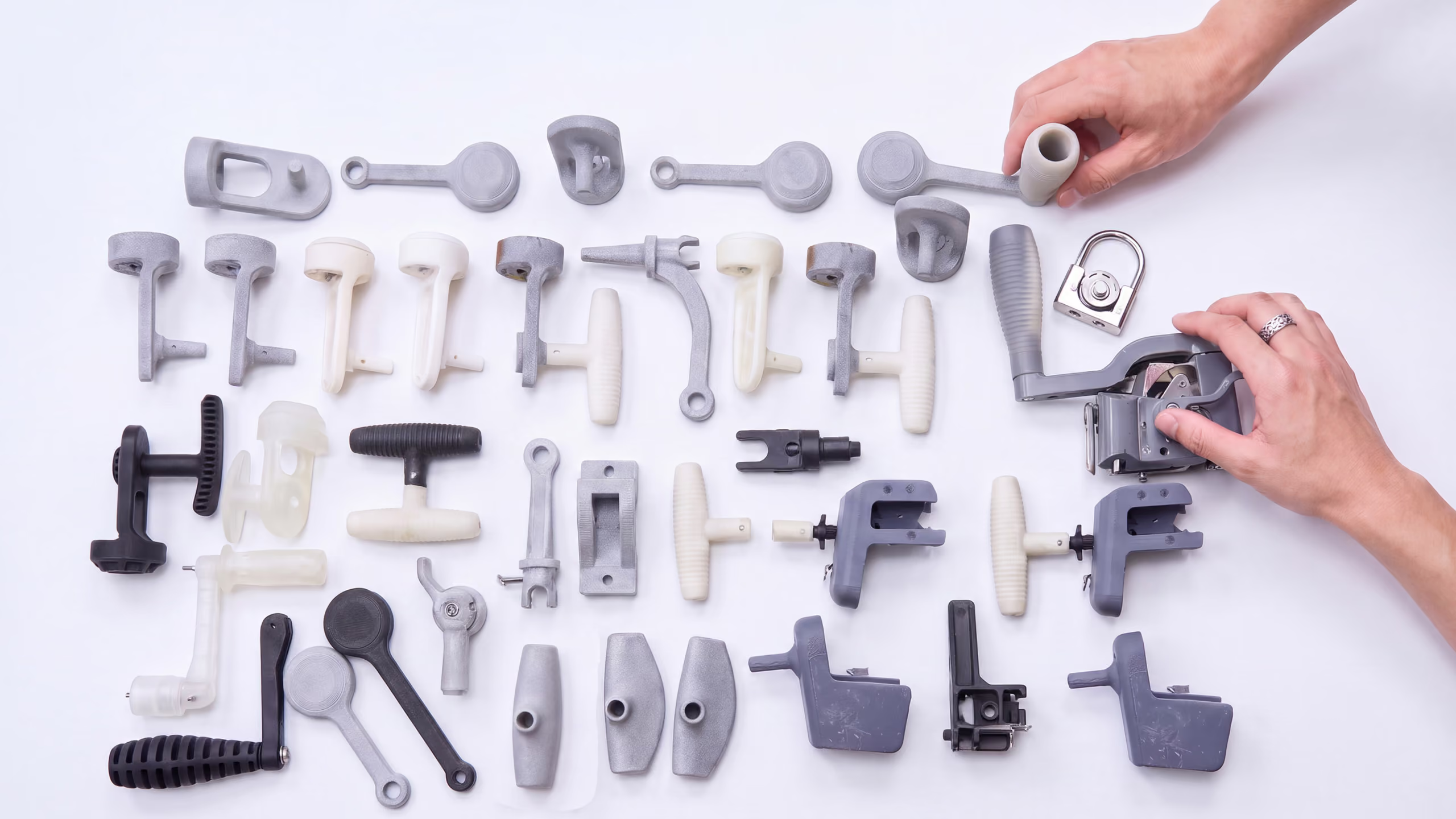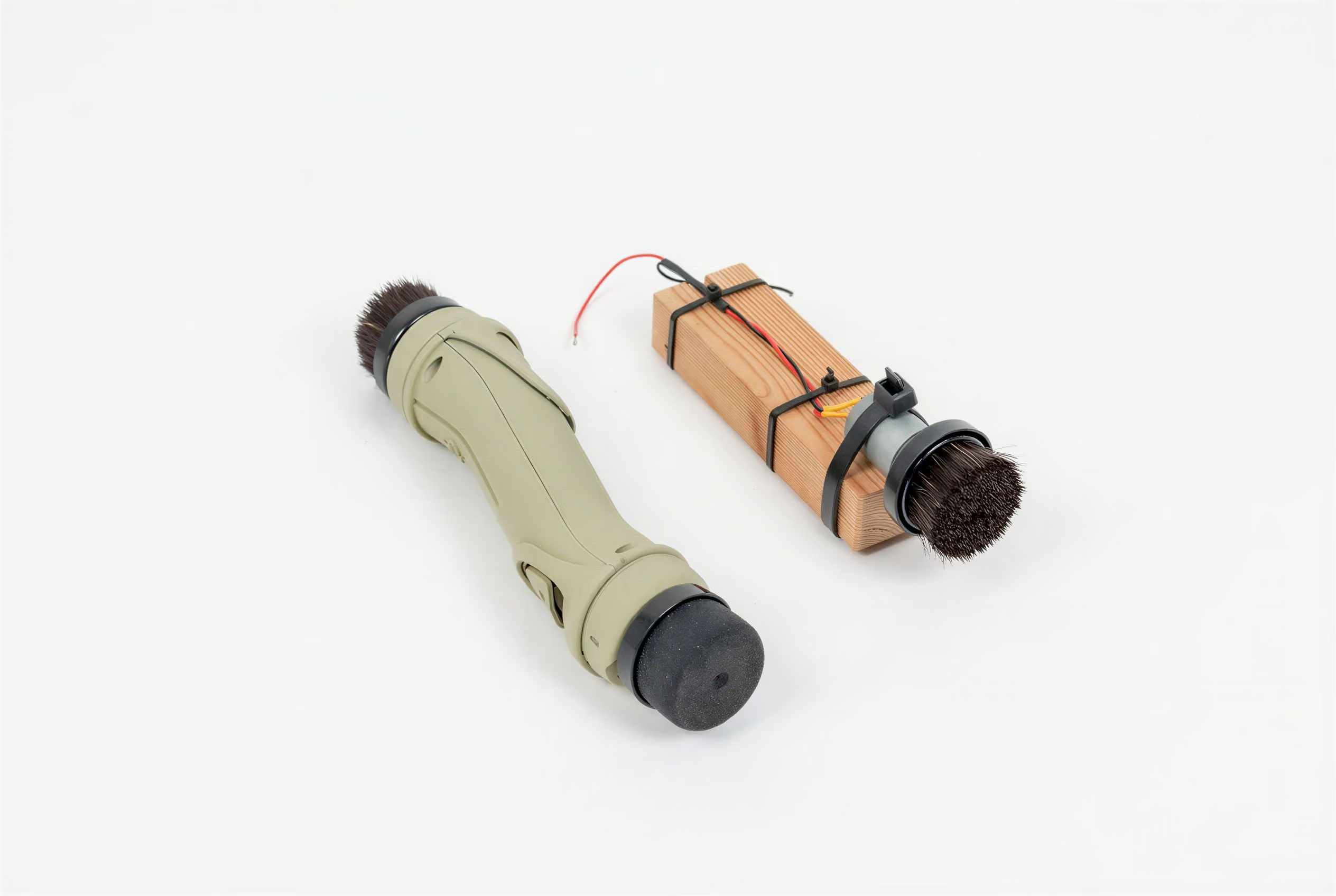
The benefits of prototyping are practical rather than theoretical, and in our experience they come down to six: validating the design in the real world, testing features and technical detail, reducing manufacturing risk, communicating better with manufacturers, giving every party a shared understanding, and pointing the project in the right direction. This guide works through each with examples of how they play out.
Prototyping is one of the most valuable stages in product development, and its benefits are practical rather than theoretical. In our experience they come down to six:
- Validation of the design in a real-world environment
- Testing of features and assessment of the technical detail
- Reduced risk in the manufacturing process
- Better communication with manufacturers
- A full understanding of the design shared by every party
- Clear direction that saves time and resources
Each of these is worth looking at in turn, with examples of how they play out in practice.
Validation in the real world
The first benefit is the one everything else rests on. A prototype validates a design in the environment it is actually meant for, revealing problems that stay hidden on screen. To give an example, one product worked well at the basic prototype stage, but building the prototype revealed that the electronics intended to run it were not reliable enough for production units. Because we caught this in the prototype, we were able to alter the electronics and some of the mechanical parts before committing to manufacture, avoiding a faulty production run.
Testing features and technical detail
A prototype is where the design's features and technical detail meet real use for the first time. In one case, the prototype let us assess the force different users actually applied to the product. That insight led us to revise the parts to make them stronger, and eventually to change the production material. No screen model would have provided that level of understanding, because it is only visible when a prototype is put into real hands.
Reducing manufacturing risk and cost
This is where prototyping pays for itself. The most expensive failure in product development usually happens at production, once tooling and mould investment has been made and a design change is then decided. Reworking tooling and moulds is costly and can set the whole project back. A well-planned, well-executed prototype stage validates the design in time, confirming that every feature and detail functions correctly before that investment is committed. Faults in shell thickness, draft angles, mechanical detail or moving parts become catastrophic if they reach tooling unaddressed, so it's important to iron these out through prototyping.
Better communication with manufacturers
A prototype speaks to a factory in a way a drawing cannot. Manufacturers need CAD models to quote and produce, but having a strong prototype in hand guides them far better. It helps them understand the manufacturing constraints and the way the product functions, and it draws their attention to the small details that matter, so they can develop adaptable tooling that accommodates tolerances as they flex.
A shared understanding, and an unexpected moment
A prototype gives every party a full, shared understanding of the design, and it does something people rarely expect until they have been through it. Seeing something they had held only as an intangible idea become a tangible, physical product changes how they think about it. In that moment they can assess the product properly, and see the potential it carries, in a way that was not possible before.
Guiding the right decision, even when that means stopping
The final benefit is direction. Prototyping guides a project the right way, and sometimes the most valuable direction it reveals is a new one. On one occasion, the prototype showed all parties that the problem the product set out to solve could be addressed more efficiently by a different product. That ended the project, but it saved significant resources and redirected the effort toward a better product, built on the knowledge gained.
To see where these benefits fit in the wider process, read our full guide to prototype development.
See it in practice: Equerry · Eazzy Press