Rapid prototyping is the practice of building and testing prototypes quickly and cheaply, so a design can be validated and improved in fast cycles rather than one slow, expensive step. Its value is speed: catching problems early, iterating on what you learn, and reaching a sound design faster. This guide explains what rapid prototyping is, why that speed matters commercially, and when it is the right approach.
Rapid prototyping is the practice of producing prototypes quickly, so a design can be tested, learned from and improved in short cycles. Rather than committing to one detailed, expensive model and hoping it is right, you build a rough version fast, see what it tells you, and refine from there. The point is not the technology itself but the pace it allows: answers early, while changes are still cheap.
Waiting weeks for a single prototype can stall a whole project, and in product development delay often means a missed window. Rapid prototyping exists to remove that bottleneck.
Why speed matters
The commercial case for working quickly is straightforward. The earlier a design flaw is found, the cheaper it is to fix, and the faster each prototype comes back, the sooner those flaws surface. A quick, rough model that reveals a problem in days has done more for the project than a polished one that takes weeks and reveals the same problem later.
Speed also compounds. Each fast cycle feeds the next, so a design improves in a series of small, cheap steps rather than one large, costly leap. That reduces risk across the whole project, keeps momentum, and shortens the path to a design sound enough to take toward manufacture. For a business, that can be the difference between reaching a market window and missing it.
The iterative loop
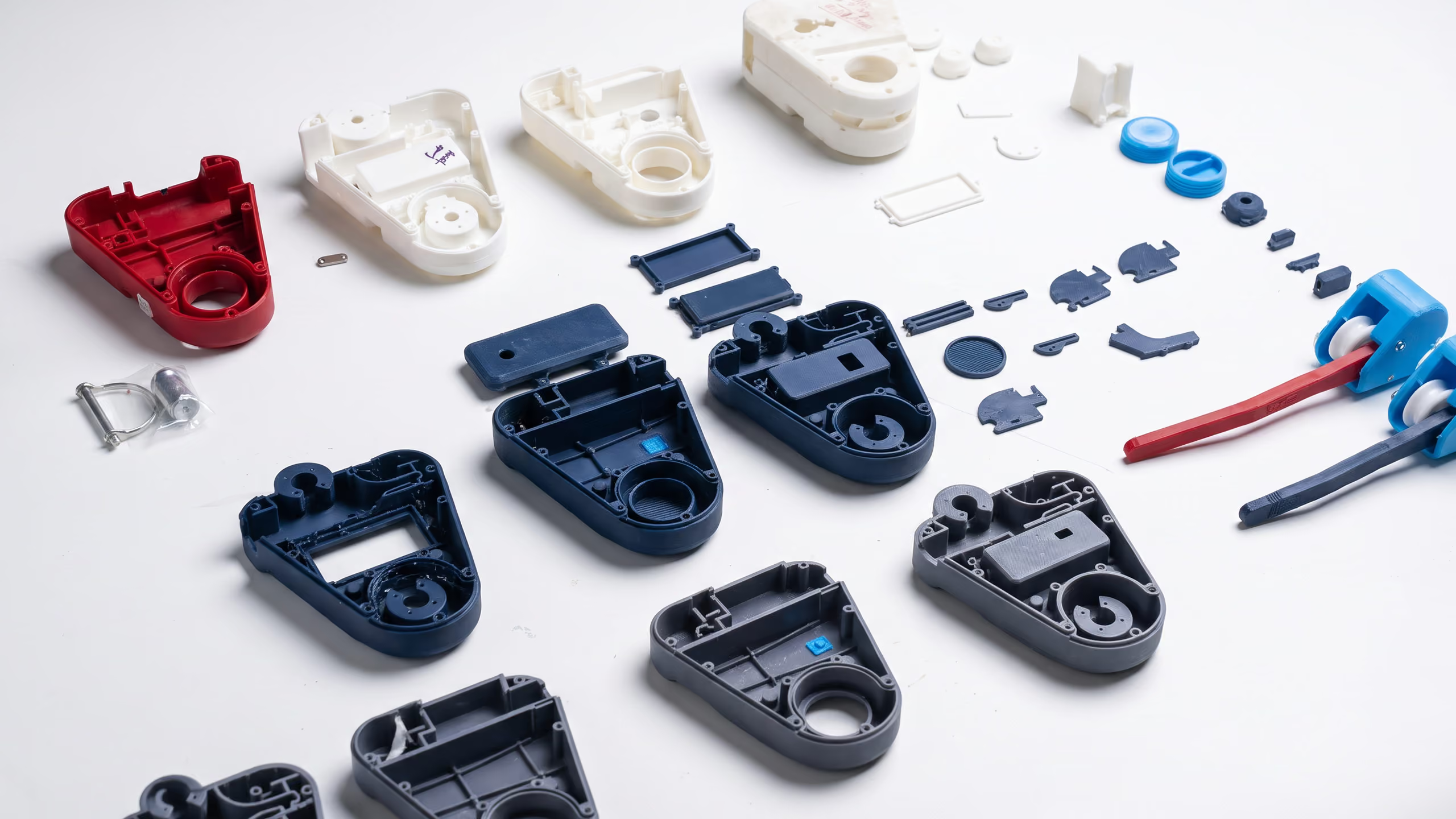
Rapid prototyping works as a loop rather than a single build. It usually begins with rough, low-fidelity models that explore options and test the basic idea, then moves through more resolved functional prototypes as the design firms up, each version answering the questions the last one raised. The discipline is to build only what is needed to answer the current question, learn from it, and move on, rather than over-investing in any one version.
This is the same principle set out in our guide to testing the riskiest part first: spend as little as possible to answer the question that matters most, then build on the answer.
Where 3D printing fits
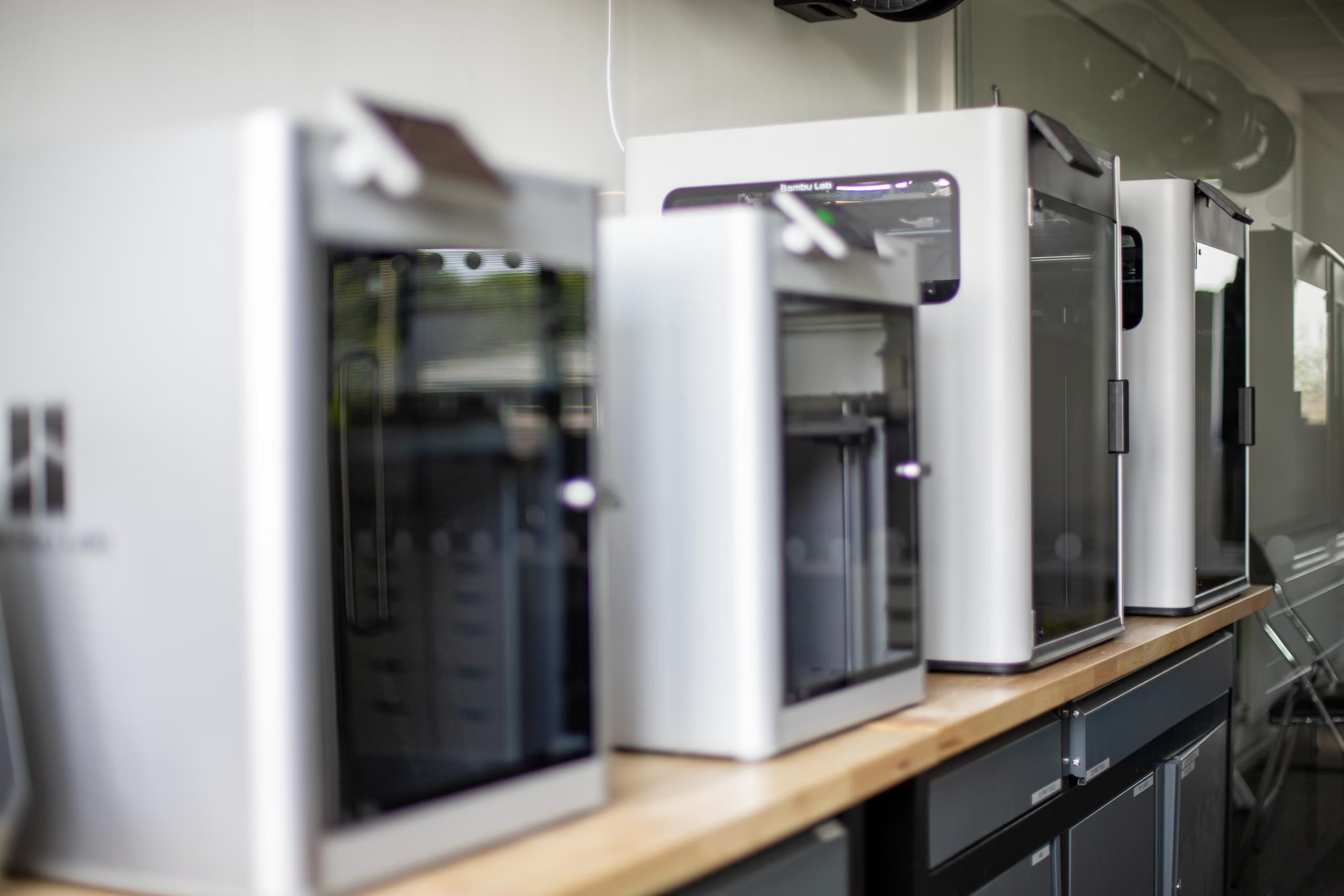
3D printing is the technology most associated with rapid prototyping, and for good reason. It produces parts quickly and cheaply, handles complex shapes, and makes iterating on a design straightforward, since a change to the model becomes a new part without any tooling. It is well suited to the early, fast cycles where the goal is to test and learn.
It is not the only method, though, and it is not always the right one. A wide range of materials and processes is available depending on what the prototype needs to demonstrate, from plastics such as ABS and nylon through to resins, metals and flexible materials. The choice depends on the purpose of the prototype and the questions it exists to answer. We cover the full range of methods, and how to choose between them, in our guide to prototype manufacturing.
When rapid prototyping is the right approach
Rapid prototyping is at its most valuable early, when a design is still taking shape and the priority is to test ideas and remove uncertainty quickly. It suits projects where the design will clearly go through several rounds, where the risk sits in an unproven feature, or where speed to market is a genuine commercial pressure.
It is less relevant once a design is resolved and the question has shifted to how the product will be made at volume, which is the territory of pre-production prototypes and factory samples. Rapid prototyping gets you to a sound design quickly; it does not replace the later stages that confirm the design for manufacture.
How D2M can help
We use rapid prototyping the way it is meant to be used: to answer the important questions early and cheaply, then build on what we learn. Much of this work happens in our own workshop and 3D print room, which lets us turn a design change into a new prototype quickly and keep the project moving. We choose the method and materials to suit what each prototype needs to prove, rather than defaulting to one technology, and because we prototype with production in mind, the speed early on does not come at the cost of a design that can actually be made. The result is a faster route to a prototype you can trust, and a clearer path toward manufacture.
In short
Rapid prototyping is about pace: building and testing quickly so a design improves in fast, cheap cycles rather than one slow, expensive step. It removes risk early, keeps a project moving, and shortens the road to a sound design. It is most valuable in the early stages, and it works best when each prototype is built to answer a specific question. To see where it fits in the wider process, read our full guide to prototype development, and to choose the right provider, see who are the best prototyping companies in the UK.
Related guides: Prototype Development · Prototype Manufacturing · How to Prototype: Test the Riskiest Part First · Who Are the Best Prototyping Companies in the UK