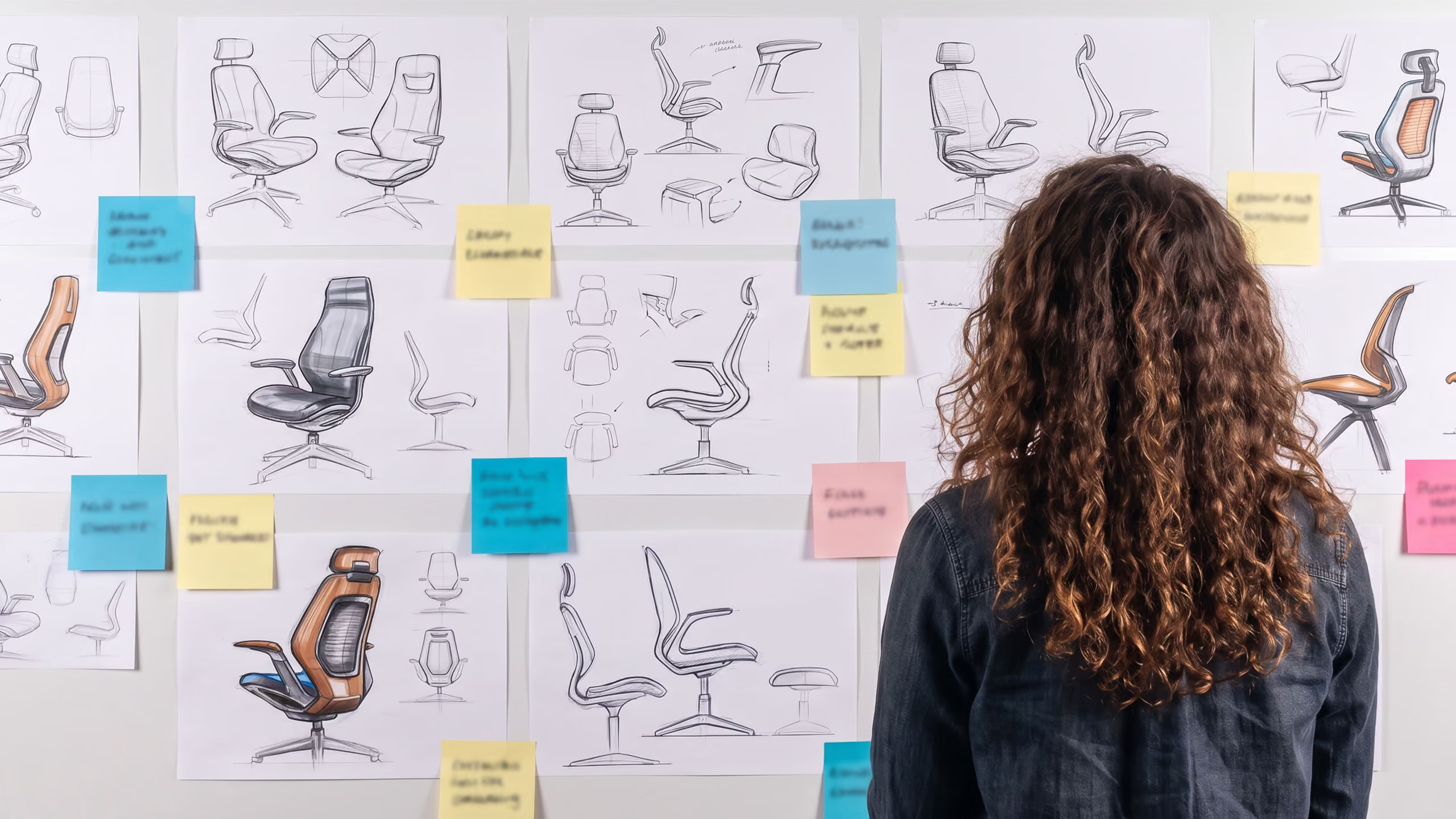
Hiring a design partner is usually a first-time decision, made under time pressure, for a relationship that will shape whether a product actually reaches the market. This guide covers what these companies actually do, what to check before you commit, what it costs to get wrong, and how the UK field sits, so you choose on the criteria that matter rather than the name on the door.
Hiring a design partner is usually a first-time decision, made under time pressure, for a relationship that will shape whether a product actually reaches the market. That combination, unfamiliar territory plus a real deadline, is exactly when people default to the wrong signals: a polished portfolio, an awards page, a big name. None of those tell you whether a firm can actually get your product made.
What these companies actually do
"Design consultancy," "product design company," "design studio" and "product development company" get used almost interchangeably, and the differences between them matter less than what they have in common: taking a product from a concept through to something a factory can actually build, rather than stopping at how it looks. Most are genuinely small, the majority of physical product design consultancies operate with five people or fewer, which is worth knowing going in, because a close, senior-led relationship is the industry norm here, not a sign of a firm being too small to take seriously.
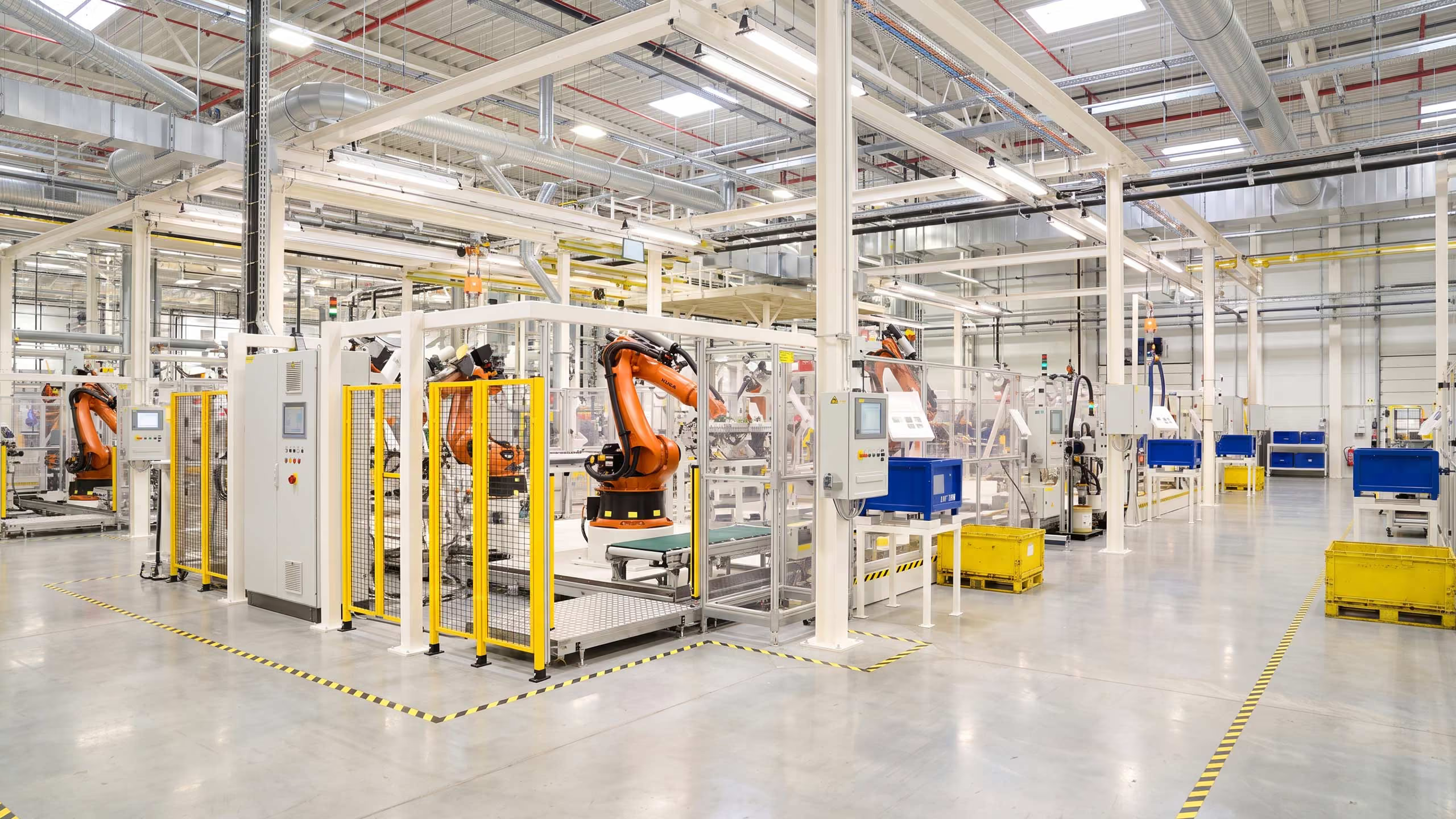
One question worth asking early is whether a single company can really do both design and manufacturing well. Design and manufacturing are different disciplines with different economics, one built around creativity and iteration, the other around consistency and scale, and a team built to excel at one is rarely built to excel at the other. Where a firm claims to do both in-house, it's worth understanding which side of that split it was actually built for, and where the other side gets subcontracted. Our guide to who can help you find and manage a manufacturer goes into this in more depth.
What to check before you commit
A handful of things separate a good choice from a risky one, and none of them are about awards. Look for evidence the firm has actually carried products through to manufacture, not just produced concept renders. Real, physical, shipped products are the proof that matters. Ask how they handle intellectual property and confidentiality, and expect a straightforward answer rather than a vague reassurance. Be clear on what's done in-house versus subcontracted, and to whom, hidden subcontracting is where surprises and hidden fees tend to come from. Ask for a detailed quote that spells out all costs, too, since extras like revisions, renderings, file preparation or delivery of stages are a common source of budget creep. And weigh commercial judgement as heavily as design flair: a firm that pushes back on an unmanufacturable idea, or flags a cost problem early, is doing you a bigger favour than one that says yes to everything.
What it costs to get this wrong
The risk isn't hypothetical. One widely cited case involved an entrepreneur who spent over £300,000 developing an off-road cart with a firm that turned out not to have the manufacturing knowledge the brief needed, the result was a set of prototypes that couldn't actually be built as designed, and by the time that became clear, the patent protecting the idea had lapsed. Nothing about that outcome required bad luck. It's the predictable result of choosing a partner on the wrong criteria and finding out too late.
Where the field sits today
The UK has a genuine range of design consultancies, from large, cross-sector firms to small, senior-led studios. Among the more established names are DCA Design International, Kinneir Dufort and Seymour Powell, each with decades of cross-sector experience; Native Design, Cambridge Consultants and Alloy, known particularly for design-award recognition across consumer and medical products; and smaller, senior-led studios including D2M, Luma Product Design, Aetha Design and Brightworks. Scale and reputation vary considerably across that list, which is exactly why the criteria above matter more than the name on the door.
Judging any firm, D2M included, by the same criteria
We'd rather you apply the checks above to us as well. Over fifteen years and more than 1,600 projects, our answer to "have you actually shipped physical products" is a long list of them, and our senior designers lead projects personally rather than handing them to whoever's free. If you're weighing us up alongside anyone else on this list, ask us the same questions you'd ask them, that's the comparison that actually tells you something.
Related guides: How to Get a Product Made · Designing a Product: A Step by Step Guide · Who Can Help You Find and Manage a Manufacturer
FAQ
What's the difference between a design consultancy, a studio and a development company? Less than the labels suggest. What matters is whether the firm takes a product through to something a factory can actually build, rather than stopping at how it looks.
How do I judge a firm? On evidence of shipped physical products, a straightforward answer on IP and confidentiality, clarity on what's in-house versus subcontracted, and commercial judgement, not on awards or portfolio polish.
Is a small firm a risk? No. Most physical product design consultancies are five people or fewer, and a close, senior-led relationship is the industry norm rather than a warning sign.
Can one company do both design and manufacturing well? Rarely equally. They're different disciplines with different economics, so understand which side a firm was built for and where the other side is subcontracted.