Luxury product design is about more than appearance. It combines premium materials, flawless attention to detail, timeless yet innovative design, and genuine exclusivity to create products people treasure and are willing to pay a premium for. It demands precision and a clear understanding of what luxury means to a discerning buyer. This guide sets out the principles that define it and the process behind it.
In the luxury market, exceptional design is what sets a product apart. Creating a luxury product takes more than aesthetics; it demands precision, innovation and a genuine understanding of what "luxury" means to a discerning audience. It is the difference between an item and an experience, something a customer keeps, values, and returns to a brand for.
This guide looks at the principles that define luxury product design, the process behind it, and where the real value lies for a brand operating at the high end.
The principles that define luxury design
Several core principles separate luxury design from standard product design.
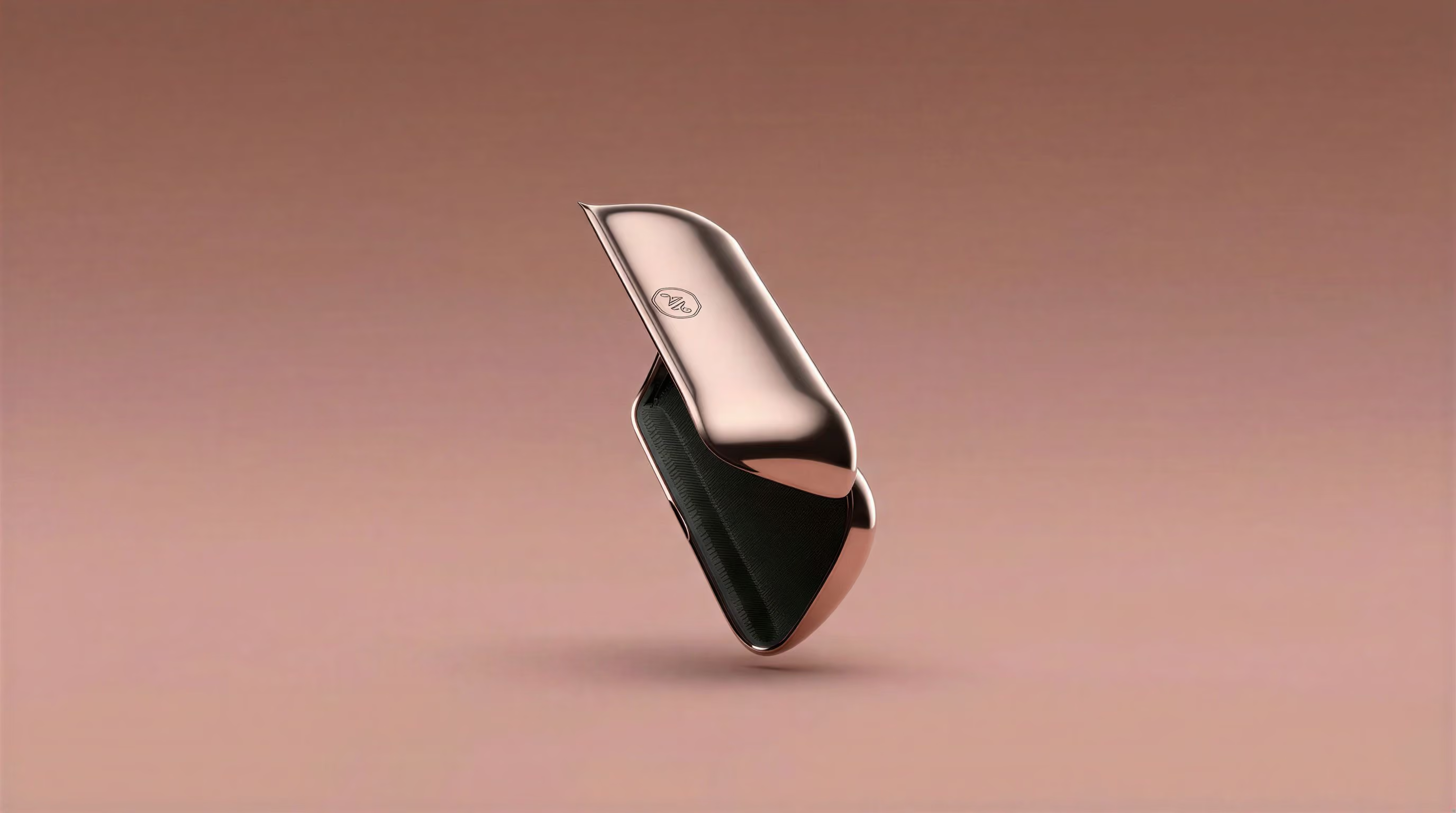
Superior materials and craftsmanship. Luxury products are defined by premium materials and the craftsmanship that brings them to life, from fine leathers and rare woods to high-grade metals. Sourcing the finest materials is what underpins a product's allure.
Attention to detail. Luxury consumers expect flawlessness. Every seam, curve and surface has to be right, which means meticulous attention from first sketch to finished product.
Timeless yet innovative design. The art lies in balancing enduring appeal with modern innovation, creating products that stay desirable over time while incorporating contemporary technology and thinking. Classic elegance and current relevance, together.
Exclusivity and customisation. Luxury products are often limited in number or designed for an individual client. Exclusive design options and customisation let a product reflect a specific customer's style and values.
Sustainability and ethical sourcing. Today's luxury consumers increasingly treat sustainability as a marker of quality and responsibility. Ethically sourced, responsibly produced materials are now part of what makes a product genuinely high-end.
The luxury design process
Every luxury product starts with a vision, but a carefully run process is what realises it.
- Conceptualisation and ideation. It begins with an in-depth consultation to understand the client's vision and preferences, capturing the essence of the concept, with market research to align the design with luxury expectations.
- Materials selection and sourcing. Materials are at the heart of a luxury product. Premium, sustainable materials are sourced to match the design's aesthetic and functional needs, whether fine leather, rare metals or ethically sourced stones.
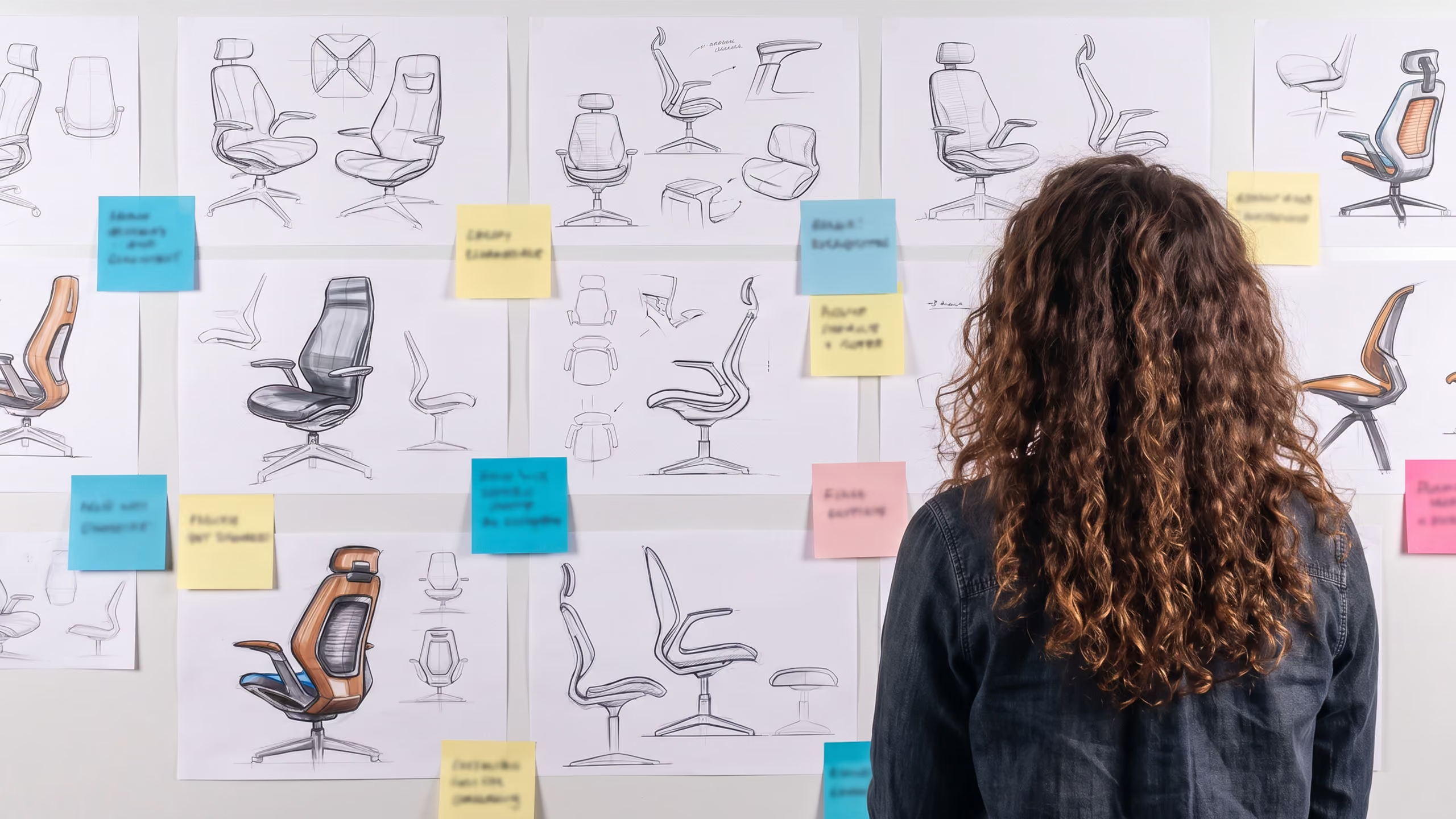
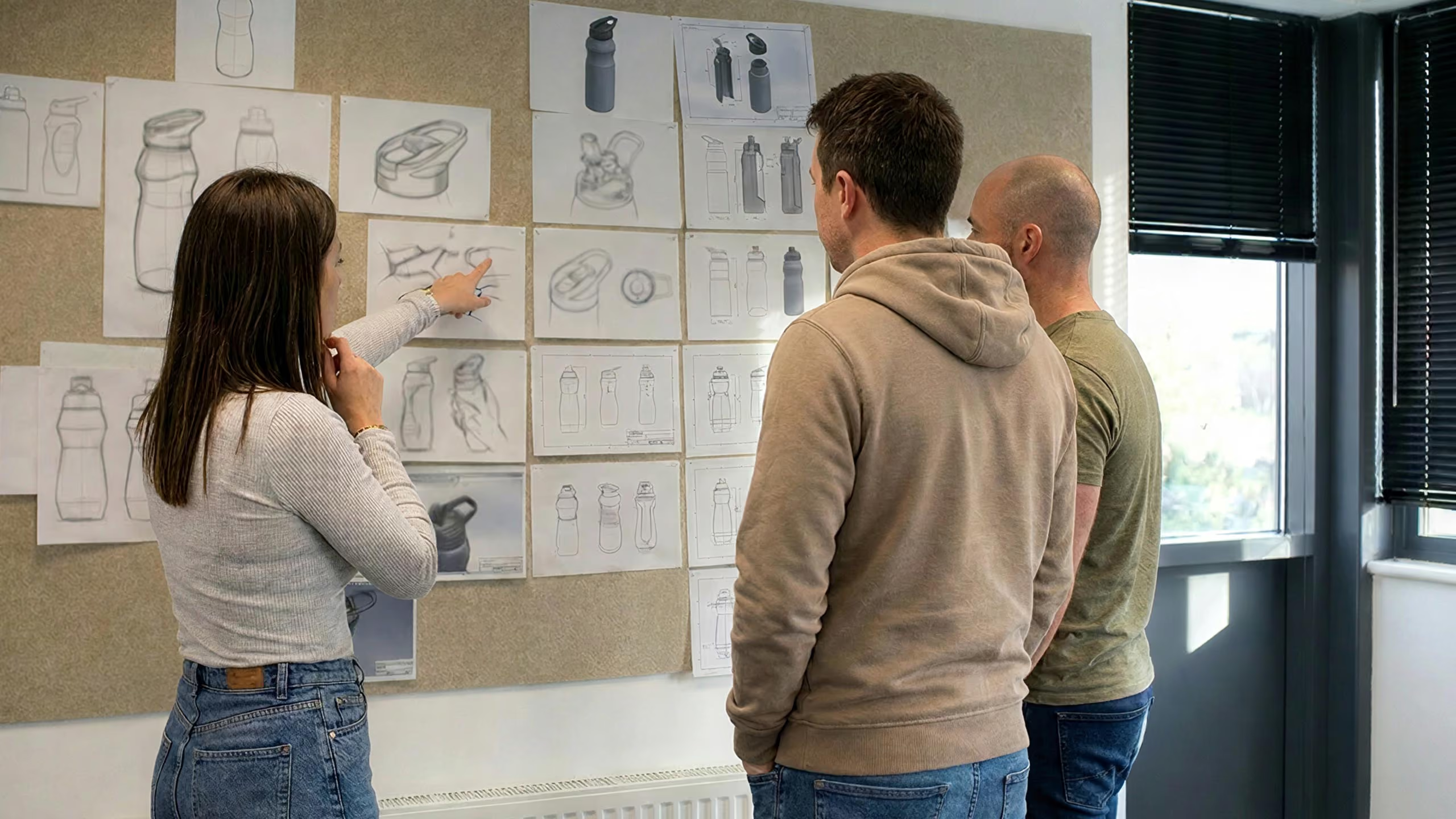
- Detailed design and prototyping. Detailed designs, developed in CAD and by hand, let the client visualise the final product, and precise prototypes let them experience its look, feel and quality before full production.
- Craftsmanship and precision manufacturing. Luxury products call for skilled making. Traditional craftsmanship combined with modern manufacturing ensures each product is meticulously produced to an exacting standard.
- Quality assurance. Every item undergoes rigorous checks for durability, functionality and finish, so it can withstand both use and time.
- Personalisation and customisation. Options from engraving to bespoke design elements make each piece unique, creating a personal connection between product and owner.
Why storytelling matters in luxury
Luxury products are, in part, stories: the heritage of the materials, the craftsmanship involved, the inspiration behind a piece. Weaving that narrative into a design elevates it beyond the physical object and creates an emotional connection with the owner, which is much of what a luxury buyer is really paying for.
Innovation and sustainable luxury
Luxury and innovation increasingly go together. Advanced materials and sustainable manufacturing techniques push what luxury products can achieve while keeping them relevant and forward-looking. Sustainability in particular has moved from optional to expected: high-end buyers value environmental responsibility, and eco-friendly materials and processes are now part of a product's luxury credentials rather than a compromise on them.
Why luxury design matters commercially
Luxury design does more than create beautiful objects; it shapes a brand's prestige and appeals to customers who want the best.
It establishes brand positioning, reinforcing a company's reputation for quality and often becoming synonymous with the brand itself. It creates uniqueness and exclusivity, transforming ordinary items into treasured possessions. It builds long-lasting loyalty, because timeless products hold their desirability through changing trends. And it supports revenue and growth, since luxury items carry higher price points and capture a valuable niche audience.
How D2M can help
We offer a full range of luxury product design services, working closely with clients to create pieces that are both visually striking and of exceptional quality. That includes bespoke design consultation to clarify and shape the vision, sustainable sourcing of premium materials, detailed prototyping so a design can be experienced physically before production, exclusivity through limited editions and customisation, and strict quality control across the whole manufacturing process. The aim is always the same: a product that resonates emotionally and stands up to the exacting standards a luxury buyer expects.
In short
Luxury product design combines premium materials, flawless detail, timeless design, exclusivity and sustainability to create products people genuinely treasure. It follows a careful process, from consultation and sourcing through prototyping and craftsmanship to quality assurance and personalisation, and it rests as much on storytelling and emotional connection as on the object itself. Done well, it defines a brand's prestige and earns the premium that luxury commands.
Related guides: Product Design Process · Product Styling · Mechanical Product Design
FAQ
What is luxury product design? The creation of high-end, exclusive products to exacting standards of quality, innovation and aesthetics, emphasising premium materials, flawless function and timeless design, so the result is an experience and a legacy, not just an item.
What materials are typically used? Often fine leather, precious metals, gemstones and exotic woods, selected to be high-quality and, increasingly, ethically sourced, so they enhance both allure and exclusivity.
How do you create a luxury product? Through premium materials, exceptional craftsmanship and a distinctive design, combined with a compelling brand story and limited availability, all of which build desirability among high-end consumers.
What are the six criteria of luxury? Exceptional quality, exclusivity, heritage, aesthetic appeal, craftsmanship and premium pricing, which together create a sense of rarity, prestige and enduring value.
What is the psychology of luxury goods? It centres on the desire for exclusivity, status and self-expression. Owning luxury items offers a sense of prestige, personal reward and social distinction.