A product's success rests on more than function. Styling, the form, colour, material and finish shaped around the target customer, is what gives a product its appeal and makes someone choose it over a competitor. Done well, and aimed precisely at the people it is for, it drives desirability, recognition and sales. This guide explains how the styling stage works and why it earns its place in the process.
Function alone rarely sells a product. From first launch to final sale, adoption depends on combining that function with strong, lasting appeal, and styling is what creates that appeal. It is the visual and tactile language a product uses to draw people in: the thing that turns a competent product into one a customer actively wants.
Styling sits within the wider product design process, usually as part of concept development, but it deserves attention in its own right, because it is often what decides whether a product stands out on a crowded shelf.
Why styling creates desirability
Styling shapes how appealing a product is to its market. It is the difference between a plain t-shirt and a well-cut one: people gravitate to what looks and feels better, often without articulating why. When a product's form, colour, material and finish are considered around the tastes of its intended customer, it becomes more desirable, and a more desirable product is chosen over its competitors and commands a better price.
Getting there means understanding the customer deeply, then using form, material, colour, layout and product architecture deliberately to catch attention from the first moment of contact.
How the styling stage works
Good styling is not guesswork; it follows a structured path from research to resolved direction.
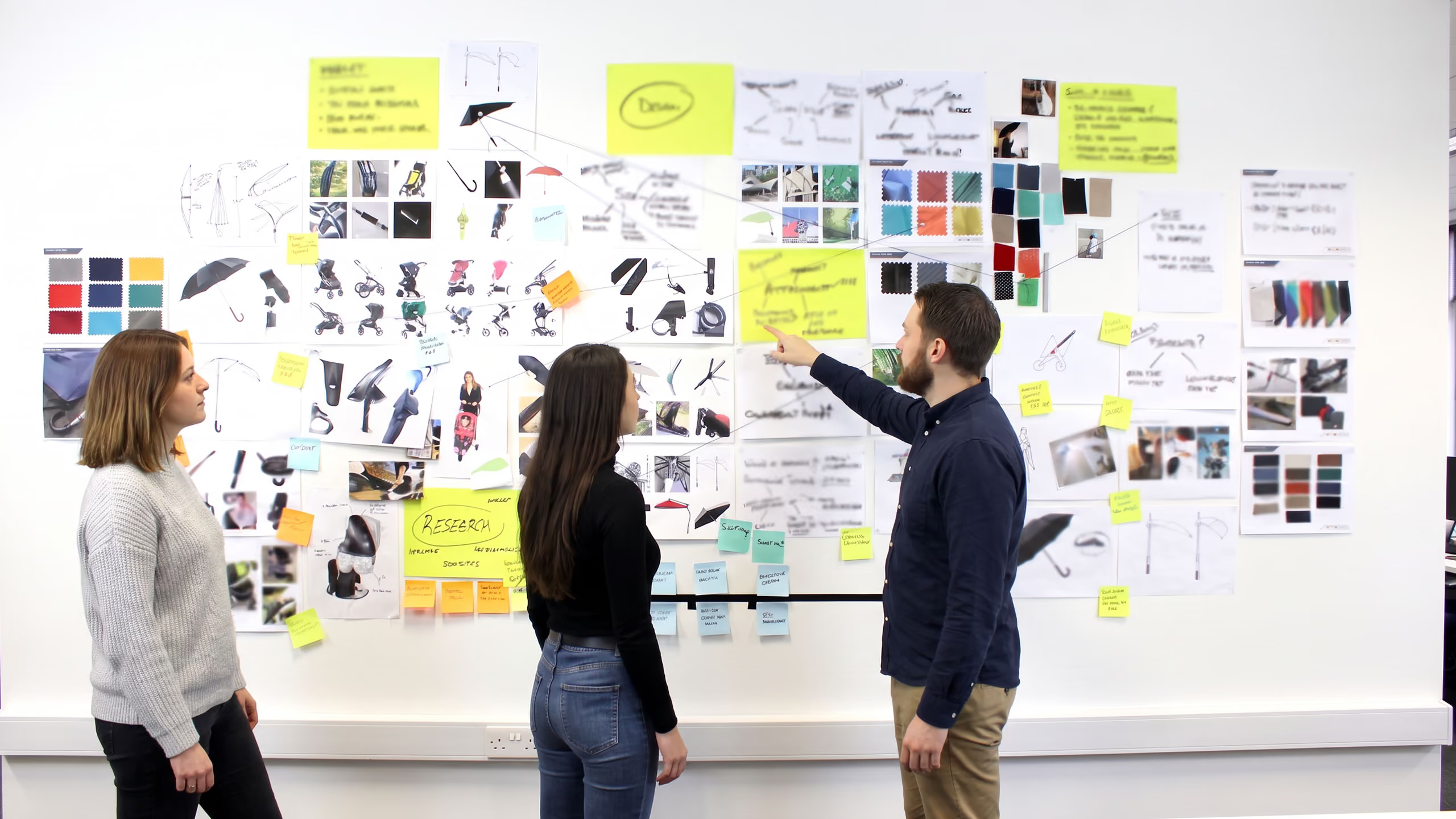
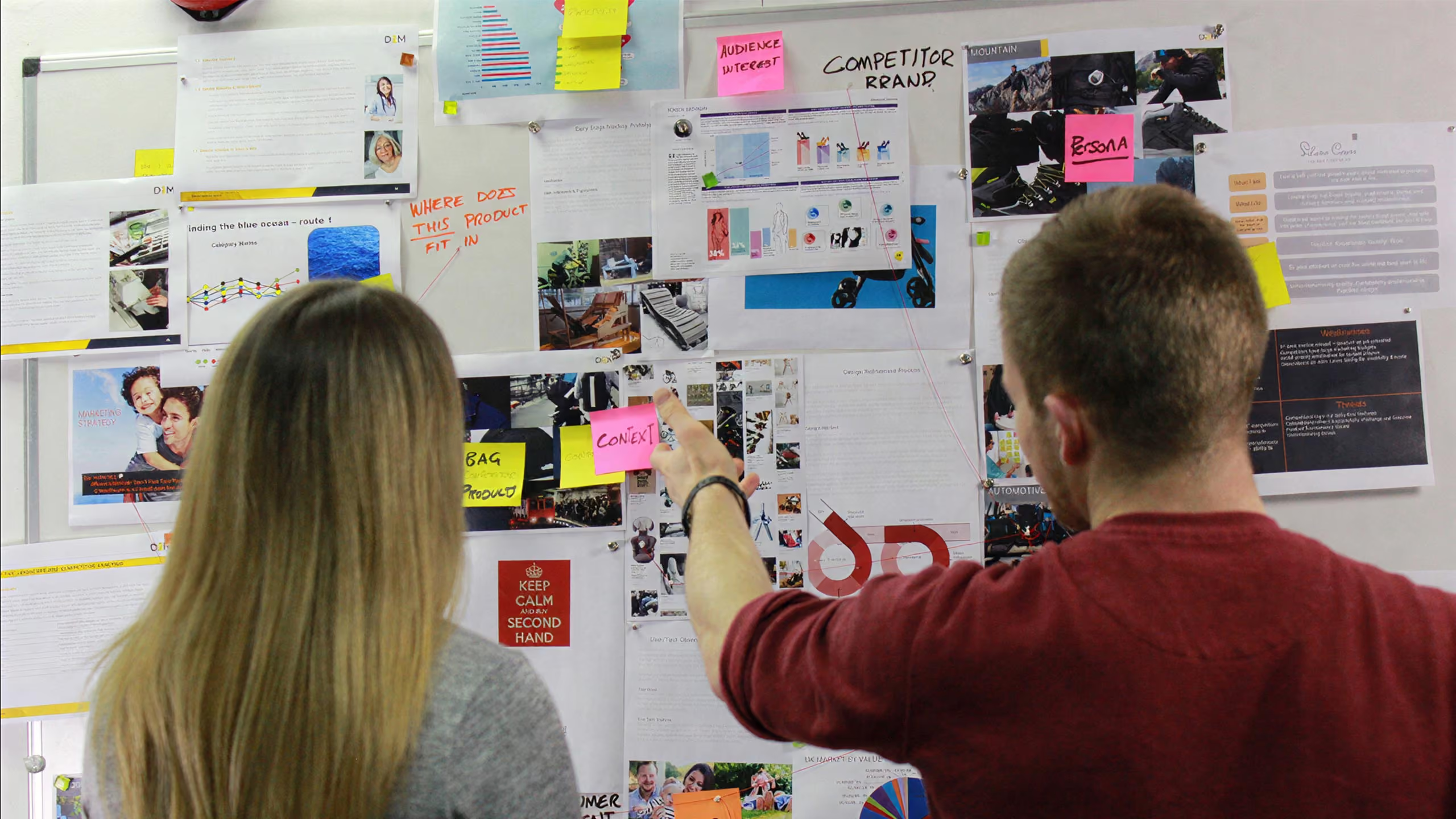
Research, consumer and trends analysis. The work begins with the market: understanding current trends and consumer preferences, what is working and what is not, and where competitors are succeeding or failing on styling. This research is the foundation for a product's styling direction, grounding aesthetic decisions in what the target audience actually responds to rather than in taste alone.
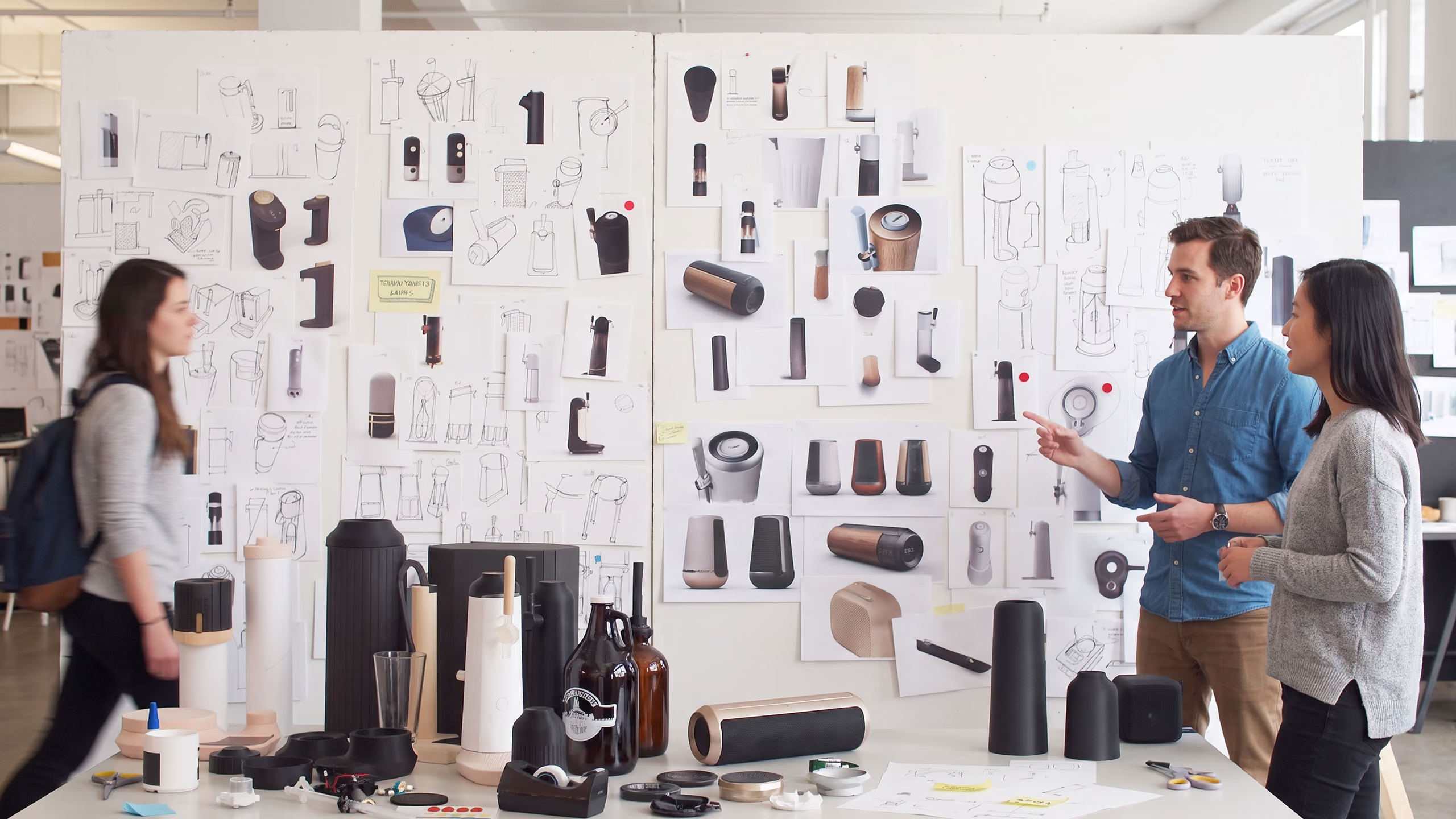
Moodboarding and design language. Research is then translated into moodboards: curated collections of images, colours, textures and elements that capture the visual direction a product could take. These define a colour palette that fits the product's identity, and explore materials and textures, from smooth to rugged, that give it depth, tactility and character. Moodboards make an abstract direction visible, so client and designer align before detailed work begins.
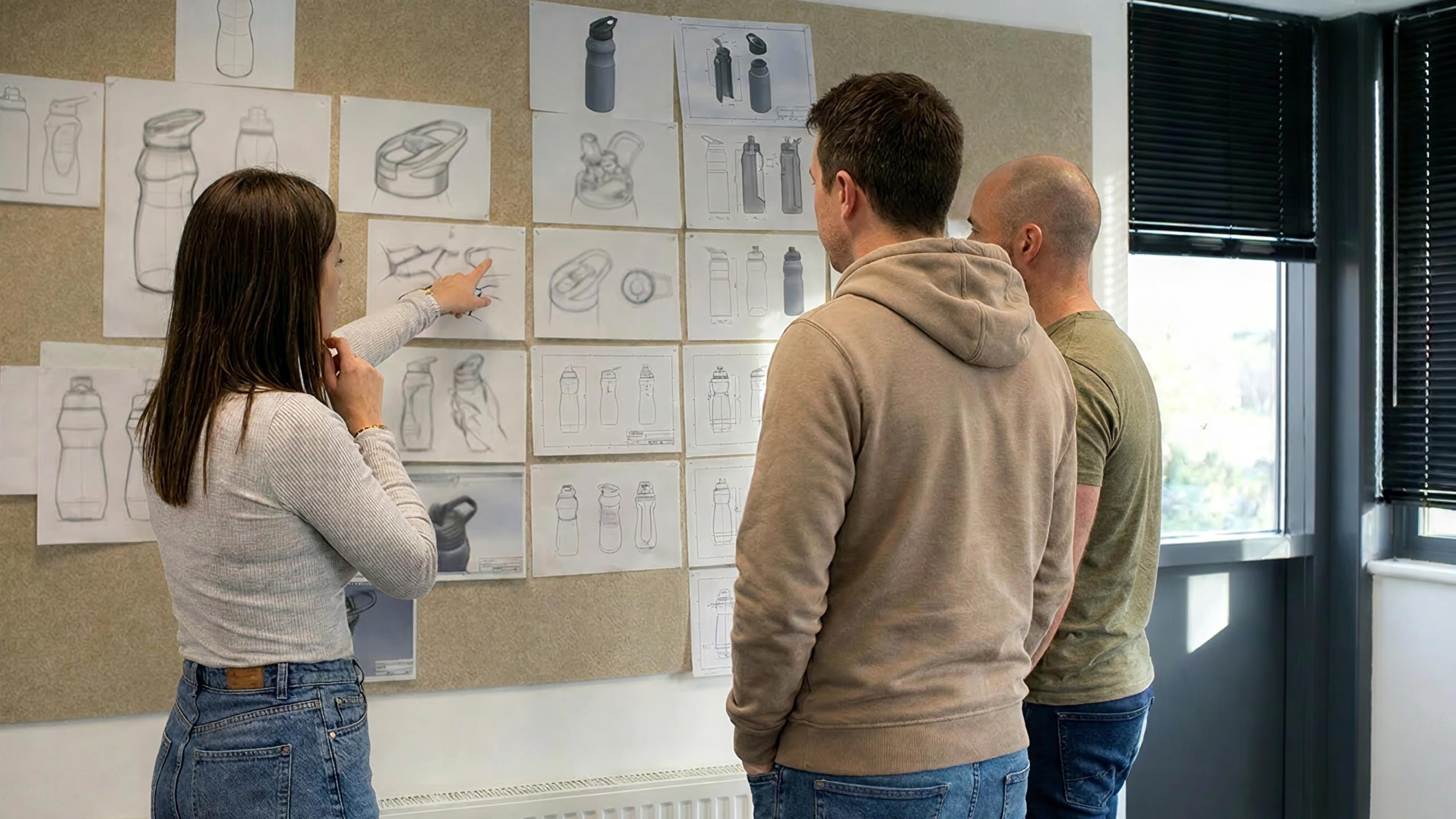
Design directions. From the research and moodboards, designers develop a set of distinct styling options, each a different way the product could look and feel. Presenting several directions keeps the client's vision central: they can see the paths available, and together the strongest is refined and selected as the one that best represents the product and fits the brand.
Styling builds connection and identity
Styling is the visual language a product speaks to its buyer. Consider a coffee machine: it has to make good coffee, but that is a given. The one a customer chooses also has to fit their kitchen, suit their lifestyle and make a statement they identify with, whether that is a technical, ritualistic machine or a simple, minimalist one. When the styling resonates with a customer's tastes and values, it creates a bond: the product feels as though it understands them, and that connection influences the purchase and builds loyalty.
Styling also creates identity. In a crowded market, a distinct visual style makes a product recognisable and memorable, the way the most recognisable consumer brands are identifiable at a glance. Considered styling can be captured as a design language: a set of guidelines for a product's look and feel that later product families can share, giving a whole range a consistent, instantly identifiable identity.
Styling is not just surface
It is tempting to treat styling as a finishing layer, secondary to engineering, but that underestimates it, and gets the sequence wrong. Where a product will be used, and who it is for, determine what it needs to look like: a product styled for the office will not appeal to someone buying for the home, and vice versa. Considered early, styling informs the technical and engineering work that follows, guiding materials, manufacturing methods and interfaces, so that the customer's wants are not sidelined in the pursuit of technical performance. Styling will still evolve and refine as a project develops, but setting a strong foundation early keeps the whole design aligned to what the market actually wants.
How D2M can help
We are experienced in styling consumer products across many sectors, and we treat styling as a deliberate, research-led stage rather than a decorative afterthought. We analyse the market and the target customer, translate that into moodboards and a clear design language, and develop distinct design directions for you to choose from, refining the strongest into a resolved style. Because we understand how styling informs engineering and manufacture, the result is a product that looks right, feels right, and can still be built, one you can see in projects such as Equerry.
In short
Product styling is how a product earns its appeal: the form, colour, material and finish, shaped around the target customer, that make someone want it. It follows a clear path, from research and trends analysis, through moodboards and design language, to selected design directions, and it drives desirability, recognition and loyalty. Considered early, it also guides the engineering that follows, which is why styling is a stage to invest in, not a layer to add at the end.
Related guides: Product Design Process · Mechanical Product Design · Luxury Product Design
See it in practice: Equerry
FAQ
What is product styling? The crafting of a product's visual and tactile appeal, its form, detailing, colours, materials and finishes, so that it is not only functional but desirable, telling a visual story that creates purchase appeal.
How does styling affect consumer perception? It shapes how buyers judge a product's quality and identity, often before they have used it. Customers gravitate towards well-styled products, sometimes even over technically superior ones, and respond poorly to high-performing products that look unappealing.
Which industries use product styling? Almost any sector making products for end users: consumer electronics, domestic and family products, home goods, and more. It matters most in competitive markets where a product must stand out.
When should styling happen? Early. Considered from the start, styling informs engineering, materials and manufacture, ensuring the product's appeal and its function are developed together rather than in conflict.