AI is genuinely useful in design, it turns a rough sketch into a polished visual and speeds up early exploration. But it has one real limitation worth understanding: it remixes what already exists on the internet rather than originating something new. Our Woodpecker Bird Feeder project brought that home. This guide explains where AI helps in practice, where it stops, and how we use it without losing the originality that makes a product worth protecting.
We have spent real time putting AI to work in our design process, and the picture that emerges is neither hype nor dismissal. AI offers exciting possibilities, and it also presents a specific, important limitation that anyone using it for product design should understand. Our approach is not to replace human creativity but to enhance it, and getting that balance right means being clear-eyed about what these tools can and cannot do.
Where AI genuinely helps: different strengths, one leveller
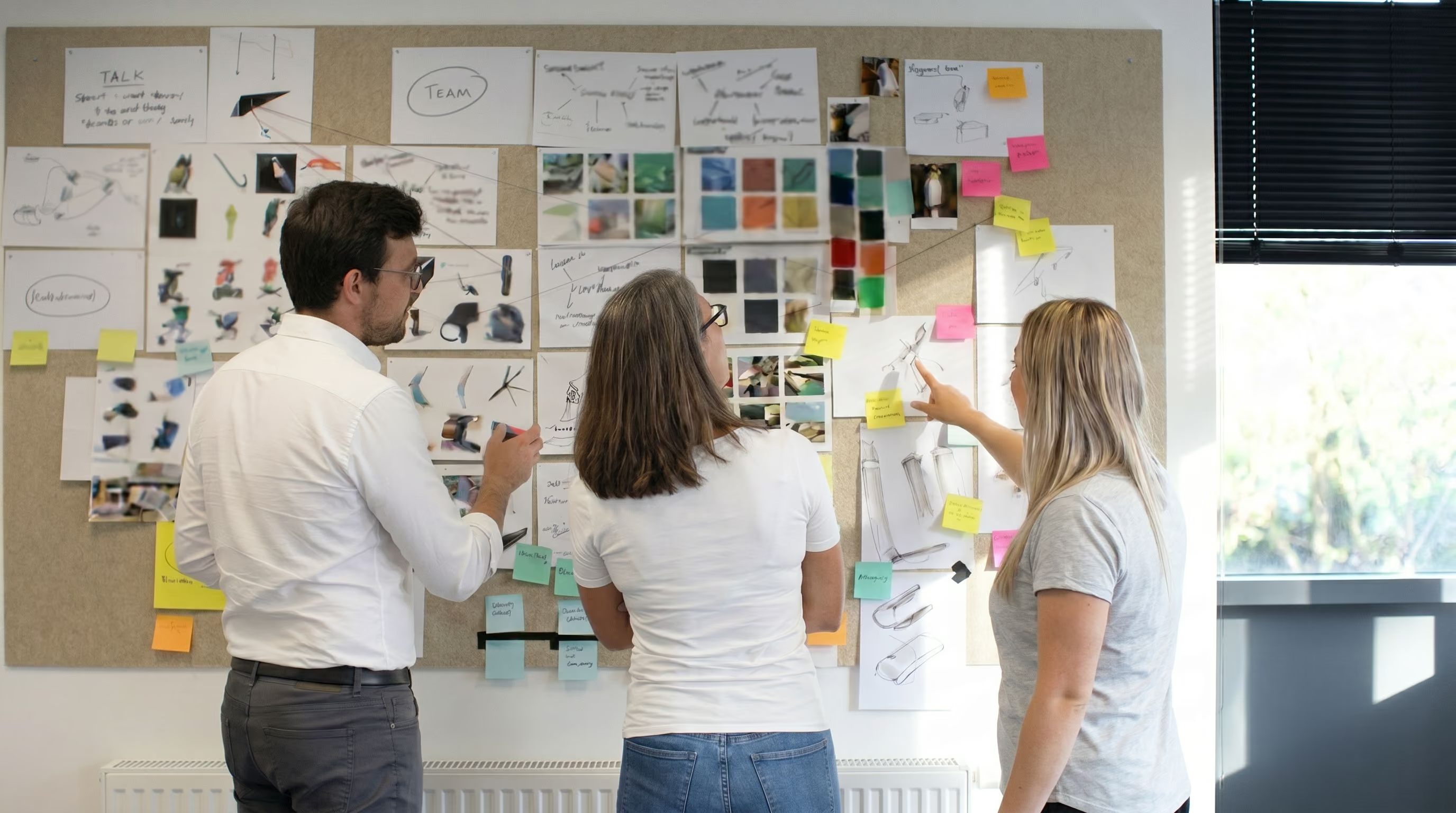
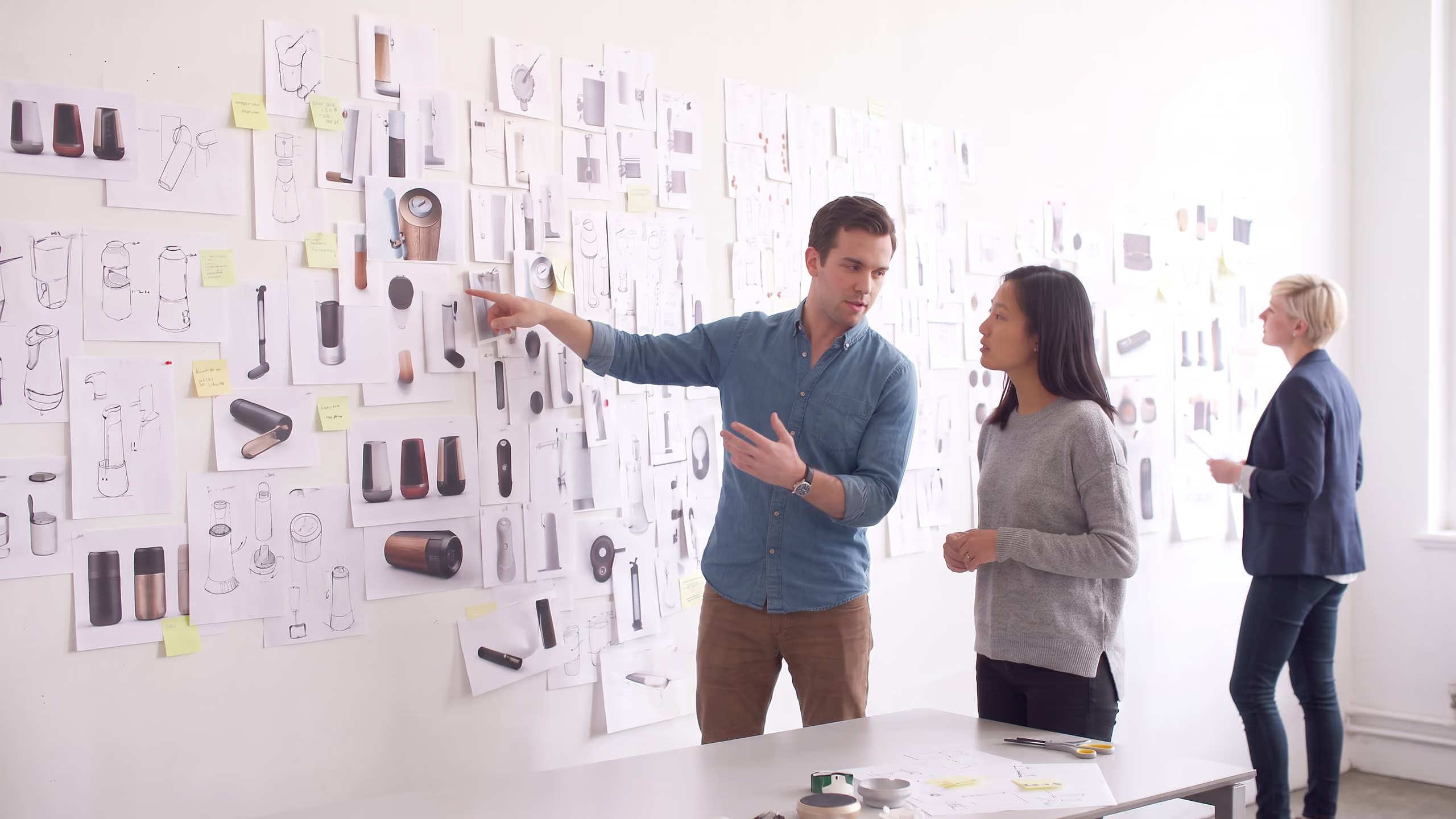
Any design team is a mix of talents. Some designers excel at ideation and conceptual thinking, some at the technical detail of materials and manufacture, some at visual communication, translating ideas into compelling sketches and renders. Nobody is equally strong at all of it, and that variety is a source of collaborative creativity rather than a weakness.
This is where AI earns its place first. For a designer whose strengths lie somewhere other than illustration, AI takes rough sketches and turns them into polished, detailed visuals. That is genuinely levelling: it means an idea gets judged on its merit rather than on how well the person can draw it. Used this way, AI amplifies a team's strengths and lets every designer communicate clearly, whatever their particular skill set.
The case study: the Woodpecker Bird Feeder
The limitation revealed itself in a real project: a bird feeder designed specifically for woodpeckers, prompted by a genuine gap in the market for products catering to their feeding habits.
We turned to AI to help realise it. The first step was feeding prompts into MidJourney, focused on bird feeders, natural materials, and designs suited to woodpeckers, and using ChatGPT to sharpen those prompts for more targeted results. The outputs were diverse and gave us a broad spread of concepts. To steer the AI closer to our own vision, we then started from rough sketches of our idea and used MidJourney's blend tool to merge them with AI-generated images that captured the style we wanted. The results were genuinely impressive, more detailed and polished than the sketches we started with.
Then came the problem. As striking as the designs were, we realised the AI was not generating anything genuinely original: it was remixing content that already existed. We found similar designs already out there on various platforms. What had felt like an original concept turned out to be a synthesis of things the model had been trained on.
That is the crucial lesson, and the "huge issue" of the title: AI is a potent tool for visualising and refining ideas, but it will not replace the need for original human creativity. It can accelerate and enrich the process, but only with human oversight to supply the originality that makes a product genuinely new.
The blend tool, and where it earns its keep
Setting the originality caveat aside, the blend tool proved genuinely useful across our workflow, precisely because it is a visualisation aid rather than an idea generator. We have since used it for:
- Concept evolution: iterating a concept by blending, for instance, ergonomic shapes with different material finishes to see how textures and materials change a product's look and feel.
- Style exploration: blending a basic product shape with different design languages to visualise the same consumer-electronics product as minimalist, futuristic or retro.
- Contextual visualisation: placing outdoor-furniture designs into different environmental settings to see how they sit in their intended surroundings.
- Feature integration: blending traditional sports equipment with advanced materials or new ergonomic features to picture potential improvements.
- Colour and pattern variations: generating multiple colourways and patterns for fashion accessories quickly, to aid final production choices.
In each case the value is the same: rapid, clear visualisation that speeds up decisions. The thinking behind what to blend, and why, stays with the designer.
Navigating the limitation
The bird feeder brought us face to face with the boundary of AI's creativity, and it sharpened rather than dented our view of these tools. AI synthesises and remixes existing data; it does not originate. That is exactly why human creativity remains central: the powerful, genuinely useful visualisation AI provides still has to be infused with originality and purpose by a designer.
So the working relationship is clear. We use AI to inspire, to broaden the range of possibilities we can explore, and to handle the visual heavy lifting quickly. The critical step, turning those AI-assisted concepts into something innovative, unique and market-ready, stays firmly with our designers. AI opens doors to new visual possibilities; the human designer walks through them with the originality and judgement that make a product stand out.
How D2M can help
We have learned where AI helps and where it does not by using it on real projects, not in theory. That means we can bring its speed and visualisation power to your project, rapid concepts, style options, in-context visuals, while ensuring the originality and practical judgement that make a product patentable and genuinely new come from experienced designers. AI is a collaborator in our process, not a shortcut around the thinking that matters.
In short
AI is a powerful visualisation and exploration tool, and it levels the field so every designer can communicate an idea well. But its limitation is real and important: it remixes what already exists rather than originating, as our Woodpecker Bird Feeder project showed when a seemingly original concept turned out to exist already. Used with human oversight, AI accelerates and enriches design; relied on for originality, it will let you down. The value is in the partnership, not the tool alone.
Related guides: Why AI Won't Replace the Product Designer · Product Design Process · Product Styling
FAQ
How does AI enhance the product design process? It offers rapid concept visualisation, generates diverse options, turns rough sketches into polished visuals, and provides data-driven insight, helping designers explore possibilities efficiently.
Can AI replace human designers? No. It can speed up specific tasks and offer new perspectives, but originality, emotional intelligence and contextual understanding require the human designer.
What is the main limitation of AI in product design? It relies on existing data, so it remixes rather than originates, which limits genuine originality. It needs human guidance and oversight to ensure the result is both relevant and truly new.
How should designers balance AI and human creativity? Use AI as a tool to augment skills, not replace them: for visualisation, data analysis and rapid options, while keeping creative direction, problem-solving and nuanced decisions human.