Branding is one of the least understood stages in product development. It's often treated as a finishing layer applied once the product is ready to sell. In practice it starts far earlier, shapes decisions across the design itself, and has a direct effect on what the product can be sold for. This guide sets out how branding works alongside development, what the stage produces, and where clients most often get it wrong.
Branding is frequently misread as the coat of paint at the end. Done properly it's nothing of the sort: it begins at the first spark of the idea and influences the product all the way through. This guide covers when branding starts, what it produces, how it meets the product at packaging, and the mistakes that quietly cost the most.
When branding starts
Branding starts at the first spark of the idea. If a company already exists, understanding its values and character shapes the visual direction from the beginning. If the brand is being built from nothing, it still has to appeal to the customer group the product is commercially targeting, and that group has to be defined before any visual work makes sense.
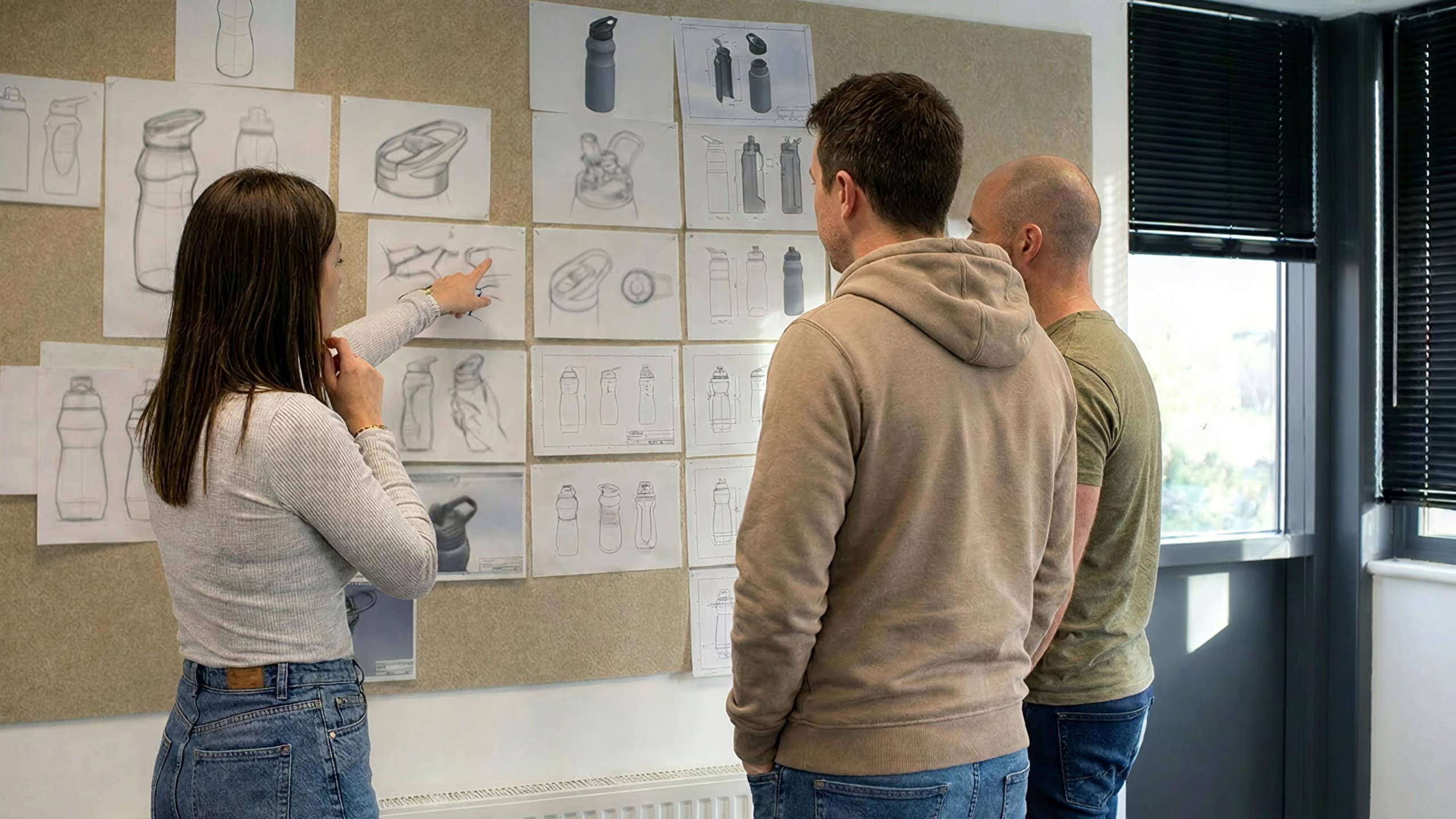
In our process the branding stage typically sits directly after concept development, though it often runs concurrently with it, which makes better use of what is a long and detailed stage. Some projects call for branding to lead; clients developing costlier products usually want to see concepts before committing to brand work, and we adapt to that.
What a branding stage produces
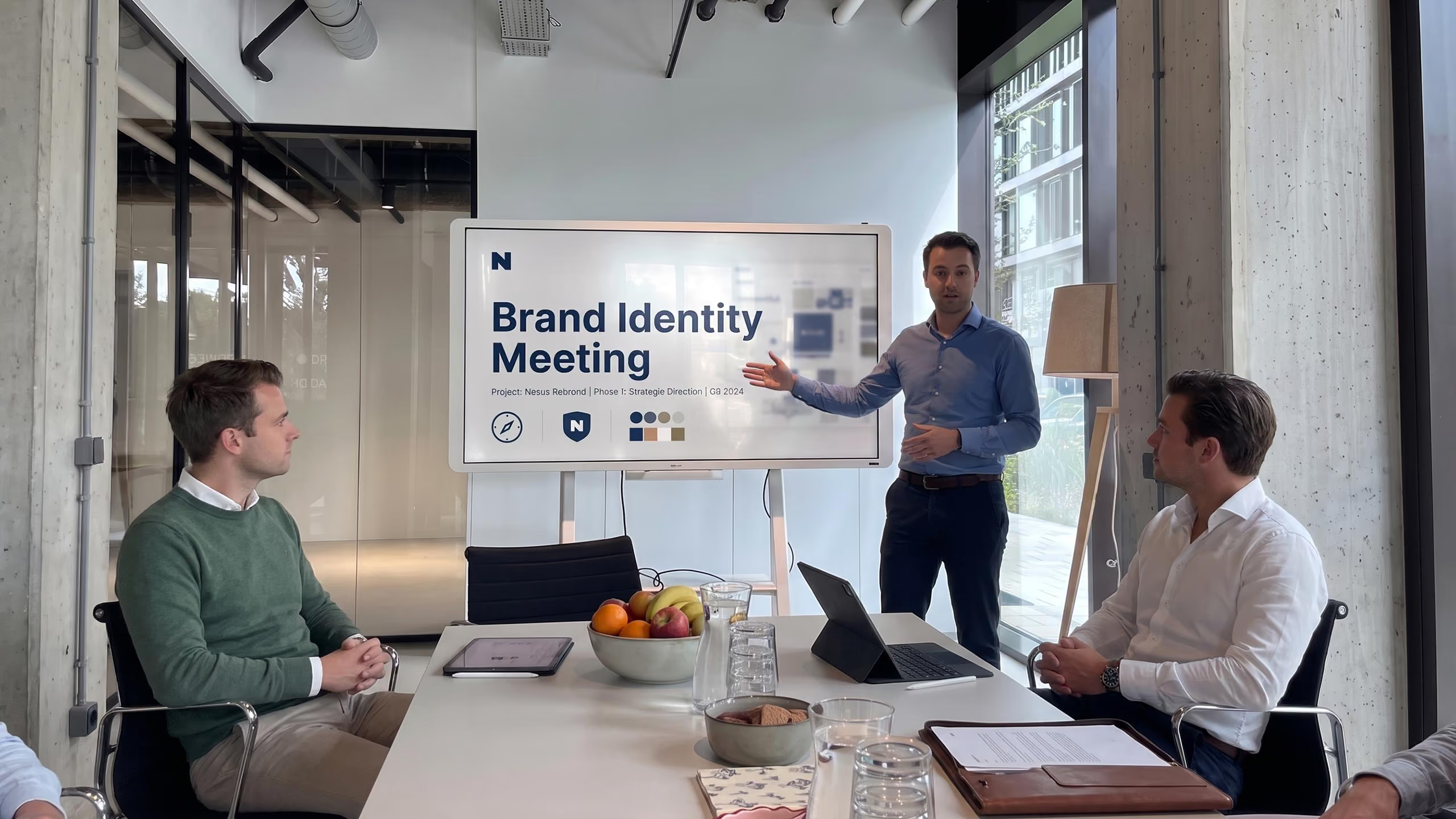
The output is a brand identity folder: a document that locks the brand down and describes it coherently to anyone who has to work with it. It covers colours and typography and their hierarchy, the aesthetics, the adjectives that describe the brand, the tone of voice, the graphics, and how the brand should sound and communicate. It includes samples of application across digital and physical media, and sets out how the brand's character expresses itself in practice. The client then uses that document for packaging, visual and digital work, and hands it to anyone producing material on their behalf.
What a branding brief needs from you
A proper branding brief needs the whole background story: the business, its story, its ambition, its aim, and its mission and vision defined properly rather than assumed. We want to know about the owners, who the business appeals to, and who it actually serves. Where the branding is tied to a product, the same questions apply to the product. The answers build into a bigger picture, and that picture becomes a brief in the same way a product design brief does. What we're really doing is understanding the taste and dynamics of a business and its product.
Sales channel does not change the branding work
Marketplaces differ, but the branding work does not change according to where the product sells. Target segment and demographics drive the brand; the channel does not. A product sold through a marketplace and the same product sold through a retailer still need the brand to speak to the same people.
Where the brand meets the product: packaging
Packaging is where the brand and the product meet, and it's the most crucial element of the whole exercise. It's the first point of contact with the customer, and conversion starts there, before anyone has handled what's inside. The split between branding work and product design work in packaging is never clean. Packaging is usually tackled after the Mark I prototype, once the product's dimensions are settled. Where the packaging needs structural protection, product design thinking comes in and the design level rises; where it doesn't, branding applies fairly directly to the pack. A premium market raises the branding level regardless.
What branding does to the price
The influence is significant and has been shown repeatedly. With proper branding, reflected properly on the packaging, the added value of a product can increase severalfold. It's all about the perception created by the brand, the packaging and the product together. Neglect branding and packaging and you may be letting a product go at a low price unintentionally, losing the added value sitting in it.
Branding changes the product itself
Where proper branding is in place, it feeds directly into the theme and styling of the product and into the colour, material and finish decisions. The brand colours, style and tone all play a significant role in the final look and finish, so CMF work should be carried out with those details in view rather than independently of them.
Naming
We get involved with naming where a client asks for it. It's a deliberate process with several factors to work through. The name must not mean something unintended in another language, which is a key check. The domain has to be available and securable, a second important point that's commonly overlooked. And the name has to match the brand identity and the personality of the company, usually with a story behind it.
Working with an existing brand
Clients exploring a new market with an existing brand is a common scenario. Where the brand identity and the new product don't overlap, we flag it immediately, because once a brand is developed it can't really be changed. It takes seconds to damage a brand and years to build one. The standard approach is a sub-brand, as automotive and appliance companies do: it demands fresh investment in marketing, sales and branding, but it protects the perception of the existing brand and the sales funnels built around it. The cheaper alternative is a facelift, flexing the brand to connect with the new product without sacrificing the existing look.
Whether you're branding consumer packaging destined for a shelf or a large product sold business to business, the aim is the same: trust and familiarity. Whatever the transaction, the perception is received by people, and that's the constant that matters most.
Protecting the brand
Register the brand. If it's genuine and you expect the company to last, registration protects a real asset, and if you're planning an exit, a registered brand carries value you can sell. Products get copied, and so do brands: pirate and copycat brands mimic brand value and undermine the added value you're building. Protection is worth having.
What a start-up actually needs before launch
With a limited budget you have to be practical and work back from the minimum. If you have no branding at all, start by deciding the medium you're launching through: social media, marketing material, brick-and-mortar retail. The route to market tells you what the branding actually has to cover. Product packaging will need branding, and the product itself may carry it, so those details have to be accounted for; beyond that, the requirements of your chosen channel define the minimum scope. The core branding work, the ideation around the name and the kind of brand it should be, is broadly fixed in cost, because the ideation process is standard. What changes the price is developing it out for social, print and advertising, and the level of detail each requires.
How long it takes
A full branding stage typically runs three to five weeks, with revisions and milestone meetings moving the work forward step by step.
The biggest mistake
The most common failure is a brand that doesn't reflect the core values of the company. It shows up as false personalisation, where the adjectives, the brand pillars and the description don't match the identity being presented. It's the equivalent of giving a false name while plainly being someone else, and it damages the very trust the brand exists to build.
The mistake clients make afterwards is assuming that once the brand identity document is delivered, the job is done and the brand will carry itself. It won't. A brand takes meticulous, continuous effort: follow the guidelines, apply them consistently, and audit what you publish across digital and physical media. It takes around six months for a brand to start being recognised, and only with consistent effort behind it. In a fast-paced environment, that consistency is what builds a loyal customer base and gets the brand properly understood.
Where our work ends
We're clear about where branding work stops. Digital media agencies handle search and social campaigns; print media covers flyers, posters and billboards; television and media advertising is a separate discipline again. Our part is to define the brand and its identity so that everyone producing material downstream has a single, coherent reference to work from.
Related guides: Designing a Product: A Step by Step Guide · Product Styling · Product Strategy a Step by Step Guide
FAQ
When does branding start? At the first spark of the idea, not at the end. It shapes the design, the colour, material and finish, and the packaging, all of which affect what the product can sell for.
What does a branding stage produce? A brand identity folder: a document covering colour, typography, tone, graphics and application across media, used by everyone who produces material for the brand.
Does branding really affect price? Significantly. Proper branding, reflected in the packaging, can raise a product's perceived value severalfold. Neglecting it tends to leave value on the table.
What does a start-up need before launch? Enough branding to cover its chosen route to market and its packaging. Decide the channel first; that defines the minimum scope.