An electronic product brings a second discipline into the design from day one, and most of what goes wrong on these projects comes from that second discipline arriving too late rather than from the electronics themselves. This guide covers what's genuinely different about developing one, from integration through to prototyping.
Adding electronics to a product doesn't just add a component, it adds a second set of constraints running alongside the industrial design from the start: where the battery sits, how heat gets away from the board, how a screen or button actually integrates into a casing that still needs to look right. Treating electronics as something to fit in after the design is settled is where most of the expensive rework on these projects comes from.
Designing an electronic product
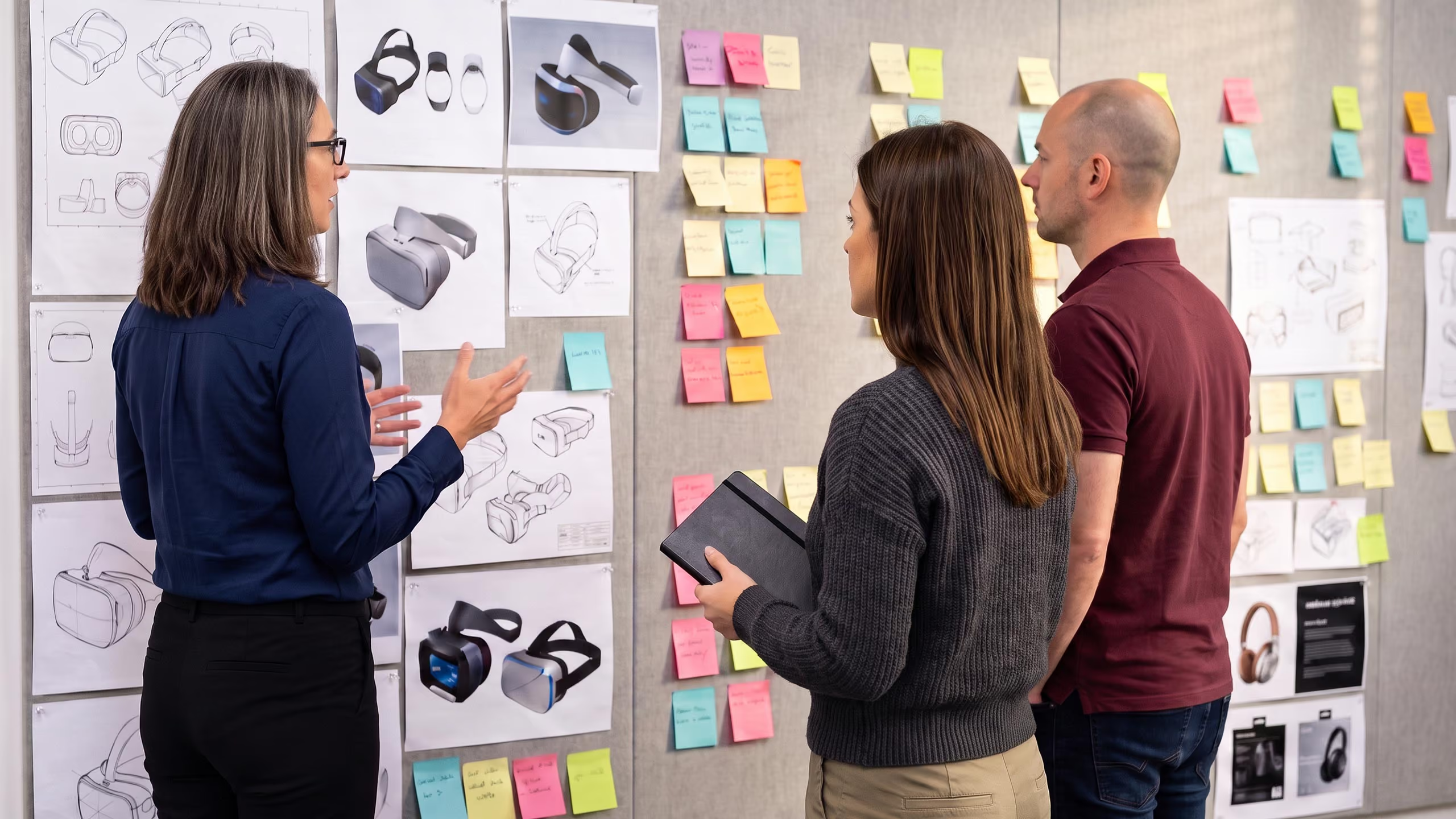
The earliest work is turning a general idea into a specific brief the electronics can actually be designed against, a vague requirement like "runs for a long time on battery" needs to become a real number before either the electronics or the casing design can proceed properly. That refinement works best as a genuine back-and-forth between the product designer and the electronics designer, not a spec handed from one to the other, because decisions like button placement, screen size and battery compartment location constrain both disciplines at once.
The stages an electronic product moves through are broadly concept design, electronic system design, PCB layout, prototyping, firmware development, compliance testing and manufacturing preparation, and the electronics-specific stages alone typically run three to twelve months depending on feature count and the certification the product needs, on top of the wider design and manufacturing timeline. For the rest of the design process, our guide to designing a product covers the ground that isn't electronics-specific.
Prototyping an electronic product
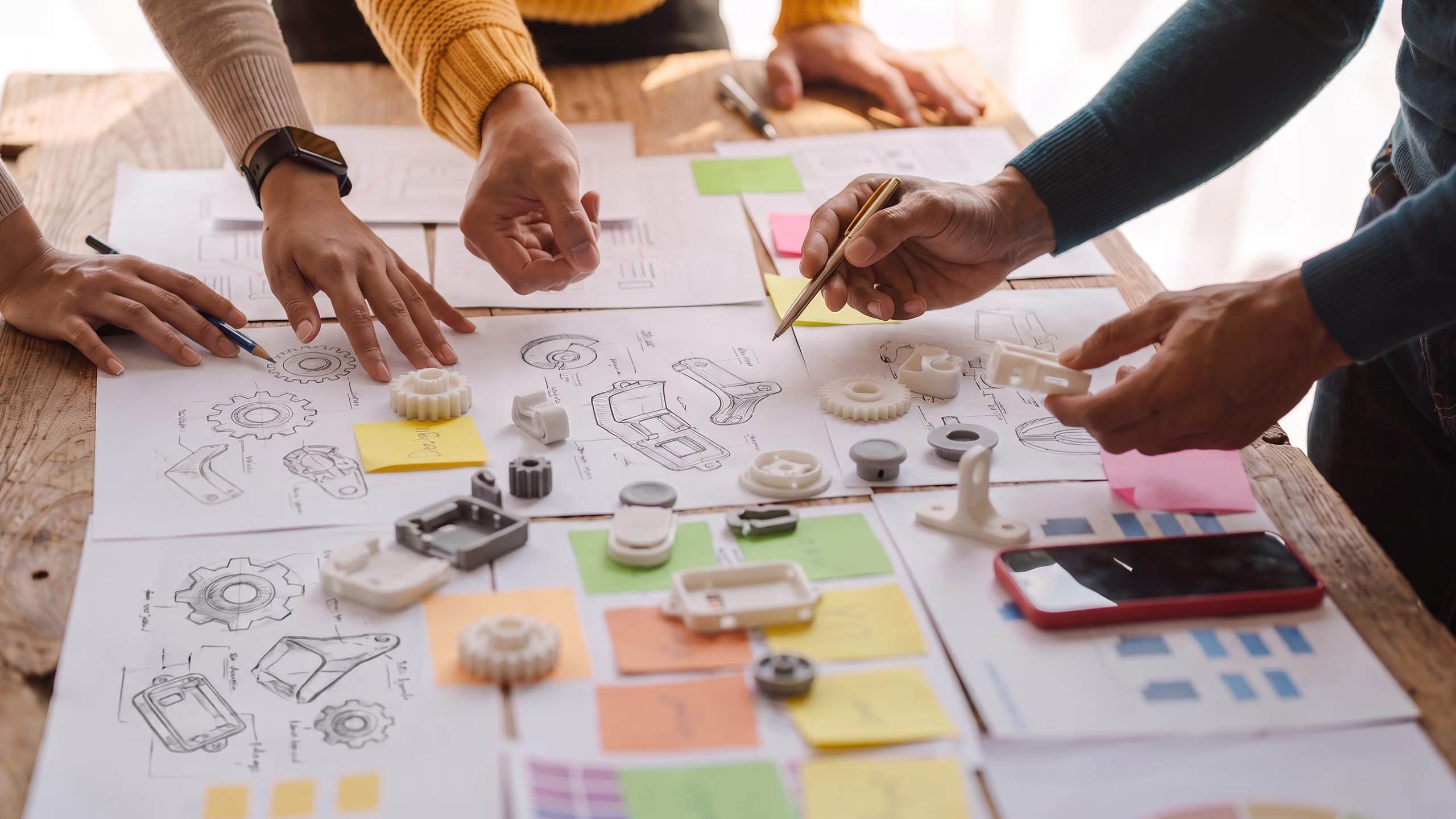
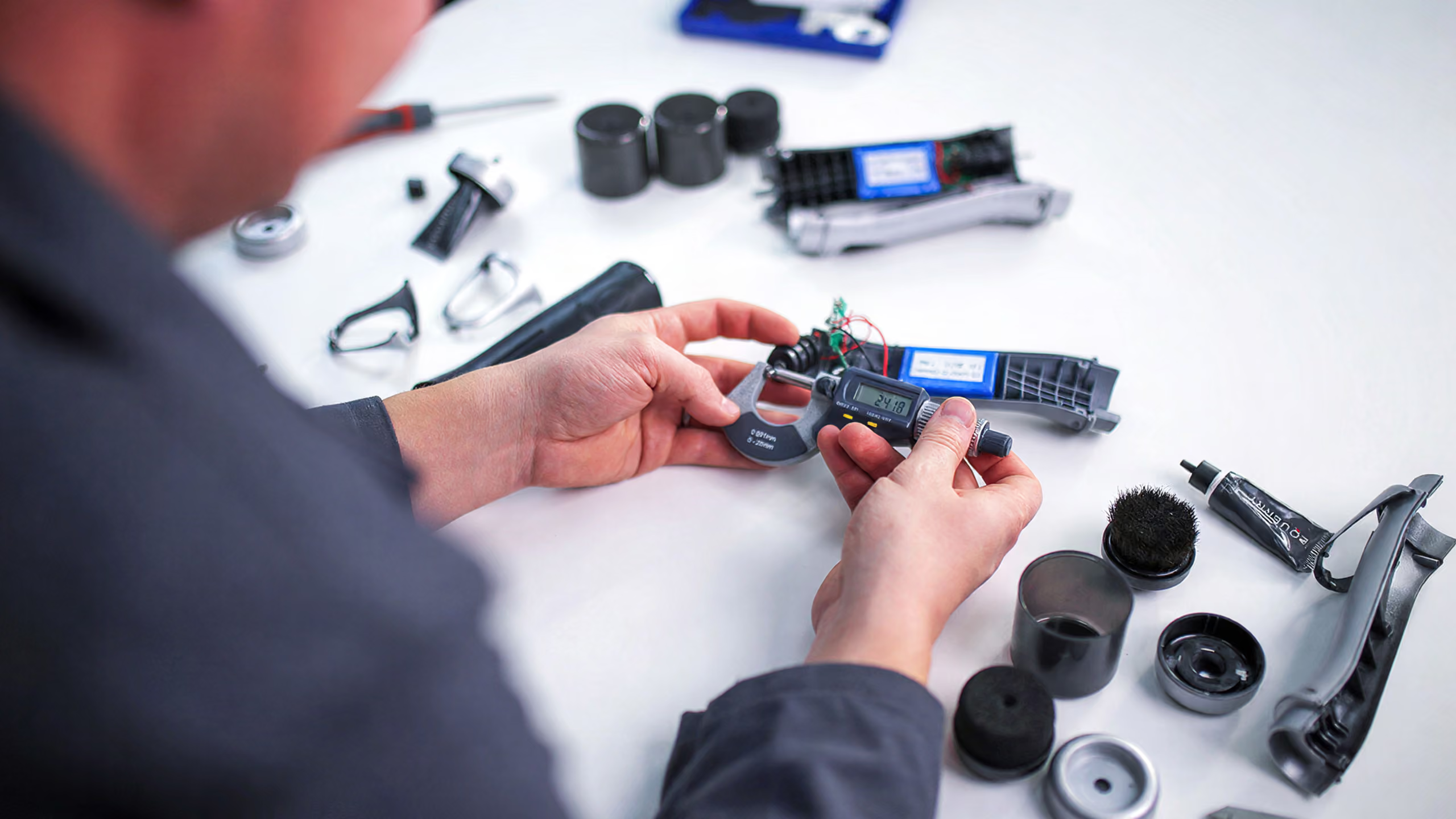
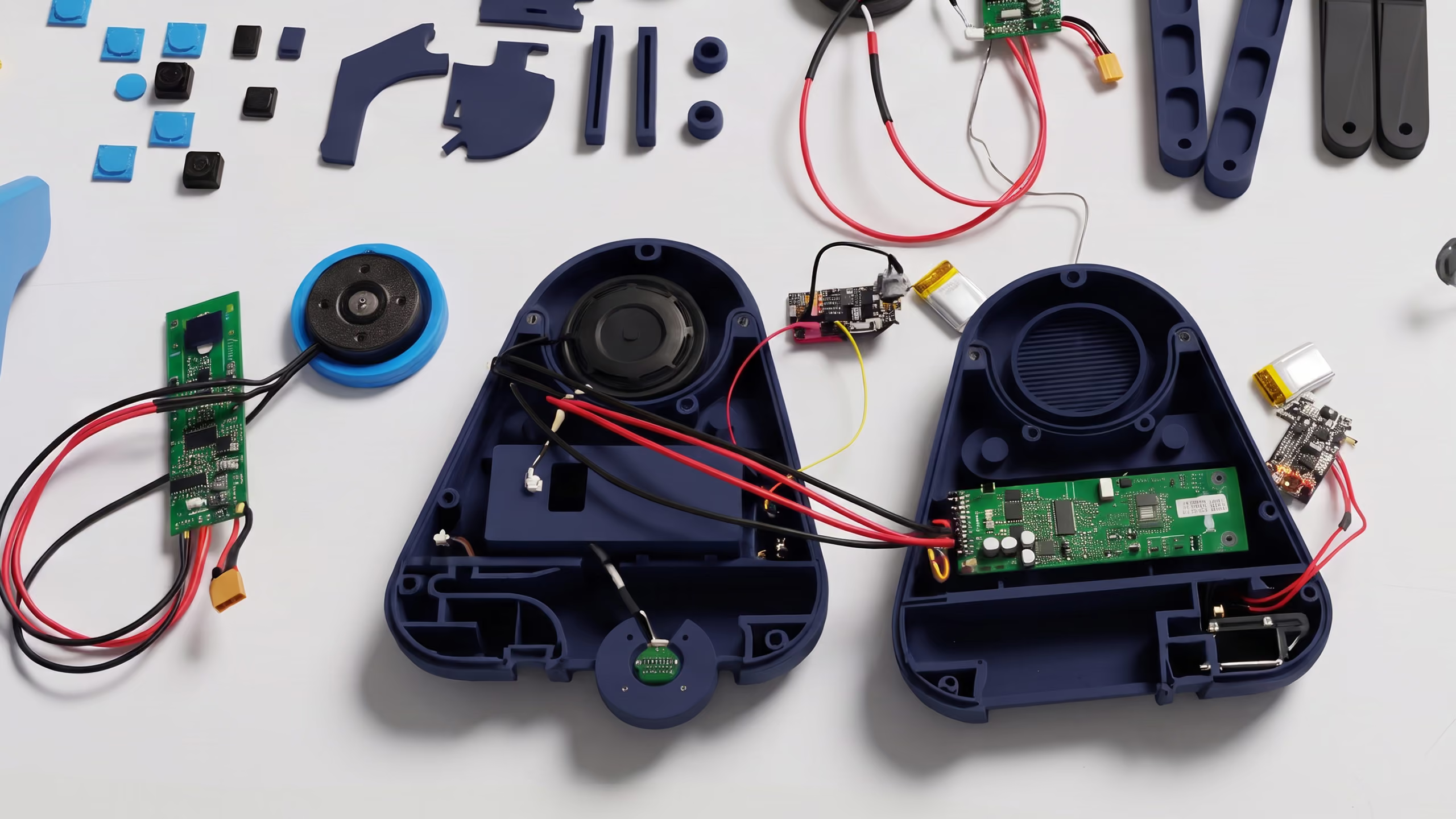
The general fidelity levels are the same as for any product, our guide to prototype development covers what each stage is for. What's different here is the integration challenges that only show up once electronics and casing meet: fitting a circuit into a compact housing without it dictating the design, managing heat without compromising the form, keeping the product accessible enough to assemble and repair, and holding the balance between a sleek casing and one that actually has room for what's inside.
Two distinct kinds of expertise are doing the work here, and it's worth being clear on the split. An electronics designer is responsible for the PCB design, component selection, and power and signal integrity, including the thermal management above. A product designer is responsible for a casing that's ergonomic and visually right while genuinely respecting what the electronics need. Skipping proper collaboration between the two is where components end up misaligned, prototypes end up non-functional, or a good-looking design turns out not to fit what's inside it.
Designing for manufacture
The most cost-effective outcome is usually one where every component mounts onto a single PCB, cutting out extra wiring, individual component soldering and manual assembly. It's worth designing towards that from the outset rather than discovering it as an optimisation once a prototype already exists in a more complicated form. For the rest of the manufacturing process, our guide to manufacturing a new product applies here too.
A real example: Dostea
Dostea needed more than a model that just looked finished. The brief called for a fully functional chai tea-brewing appliance built to high-fidelity standard, working electronics and all, ahead of a Kickstarter campaign where backers needed to see a product that actually worked, not a render. That's the sharpest version of the integration problem this page is about: the electronics and the casing had to be resolved together and proven working at the same time, with no separate stage to fall back on if one side wasn't ready.
The campaign succeeded, and the project carried on from there through to factory-level development and production, the working prototype having done its job of proving the product before manufacture was committed to.
Bringing the disciplines together early
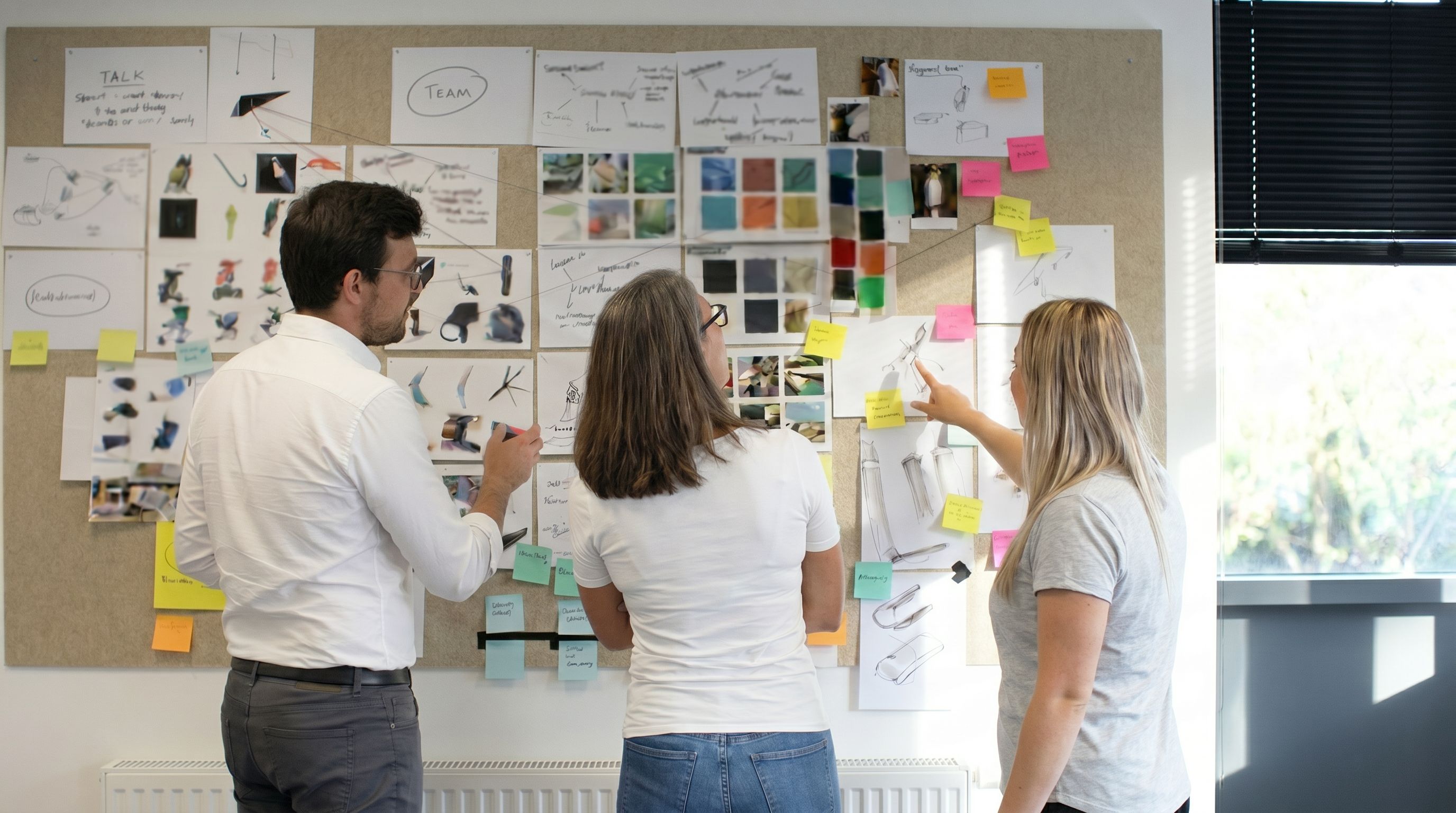
Electronics and industrial design pulling in different directions is the single biggest risk on a project like this, and it's avoidable. We bring electronics and product designers into the same brief from the start rather than handing a finished casing to an electronics team or a finished board to a design team, so the constraints each side is actually working with are visible to the other before they're expensive to change.