Overview
In product development, designers and manufacturers play distinct but deeply connected roles. Designers spark innovation, turning ideas into practical, visually compelling concepts. Manufacturers then step in to make those ideas real, applying the technical precision needed to produce them at scale. When these two teams work closely together, creativity becomes commercially viable, leading to products that not only look great but work flawlessly and meet market expectations. This article explores how strong collaboration between designers and manufacturers drives successful outcomes.
The Role of a Designer

The role of a designer is central to the product development process, encompassing a range of responsibilities that shape the final outcome. Designers are tasked with understanding user needs, conducting thorough research, and identifying market trends to create products that are both functional and appealing. This involves not just creativity, but also analytical thinking, as designers must anticipate user interactions and ensure that the design aligns with practical considerations.
There are various types of designers, including graphic, industrial and fashion designers, each contributing uniquely to a project. For instance, an industrial designer focuses on the usability and form of a physical product, while a graphic designer may craft the visual identity that accompanies it. Understanding these distinctions is vital, as each type of designer plays a specific role in achieving a cohesive vision.
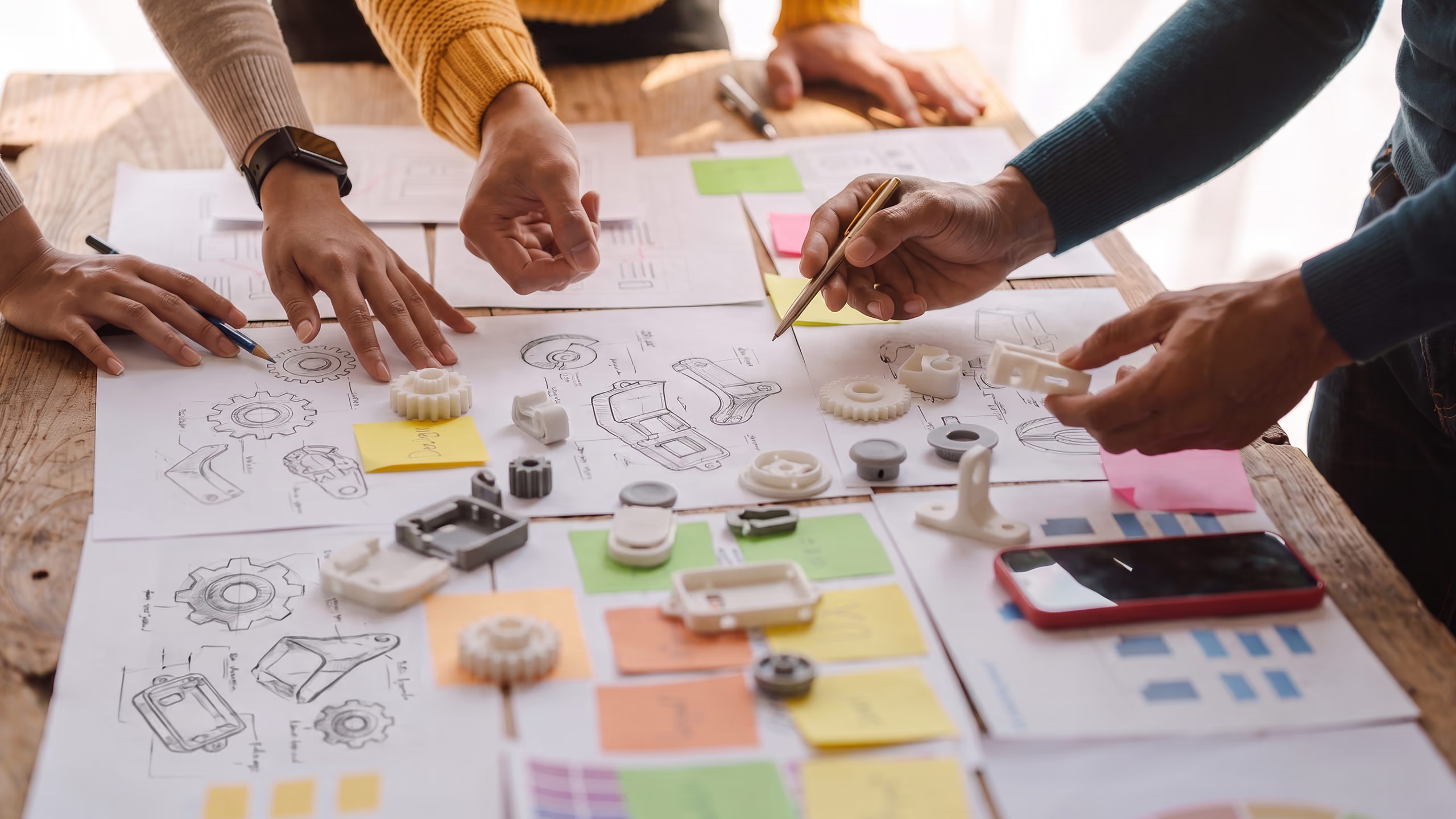
The design process itself can be broken down into several key stages. Initially, designers engage in ideation, where brainstorming and sketching lead to prototyping. Prototypes allow designers to explore different concepts and assess their feasibility. Subsequently, iterations are made based on feedback, refining the design further until a final version is determined. Throughout this process, a designer must maintain a balance between creativity and practicality, ensuring that the design is not only innovative but also manufacturable.
Ultimately, the designer’s role transcends mere aesthetics; it encompasses problem-solving and strategic thinking. A successful designer collaborates closely with manufacturers to communicate details about materials, production methods and constraints, allowing for a smooth transition from design to production. This interaction further reinforces the partnership between designer and manufacturer, ultimately leading to the successful realisation of the product vision.
Success Story
From Idea to Road-Ready – SeeMe 360° Bike Light
When the team behind SeeMe Pro approached D2M, they had a big idea: create the world’s most visible bike light using 360° illumination. But turning a bold concept into a working, manufacturable product required more than inspiration—it needed seamless coordination between design and manufacturing from day one.
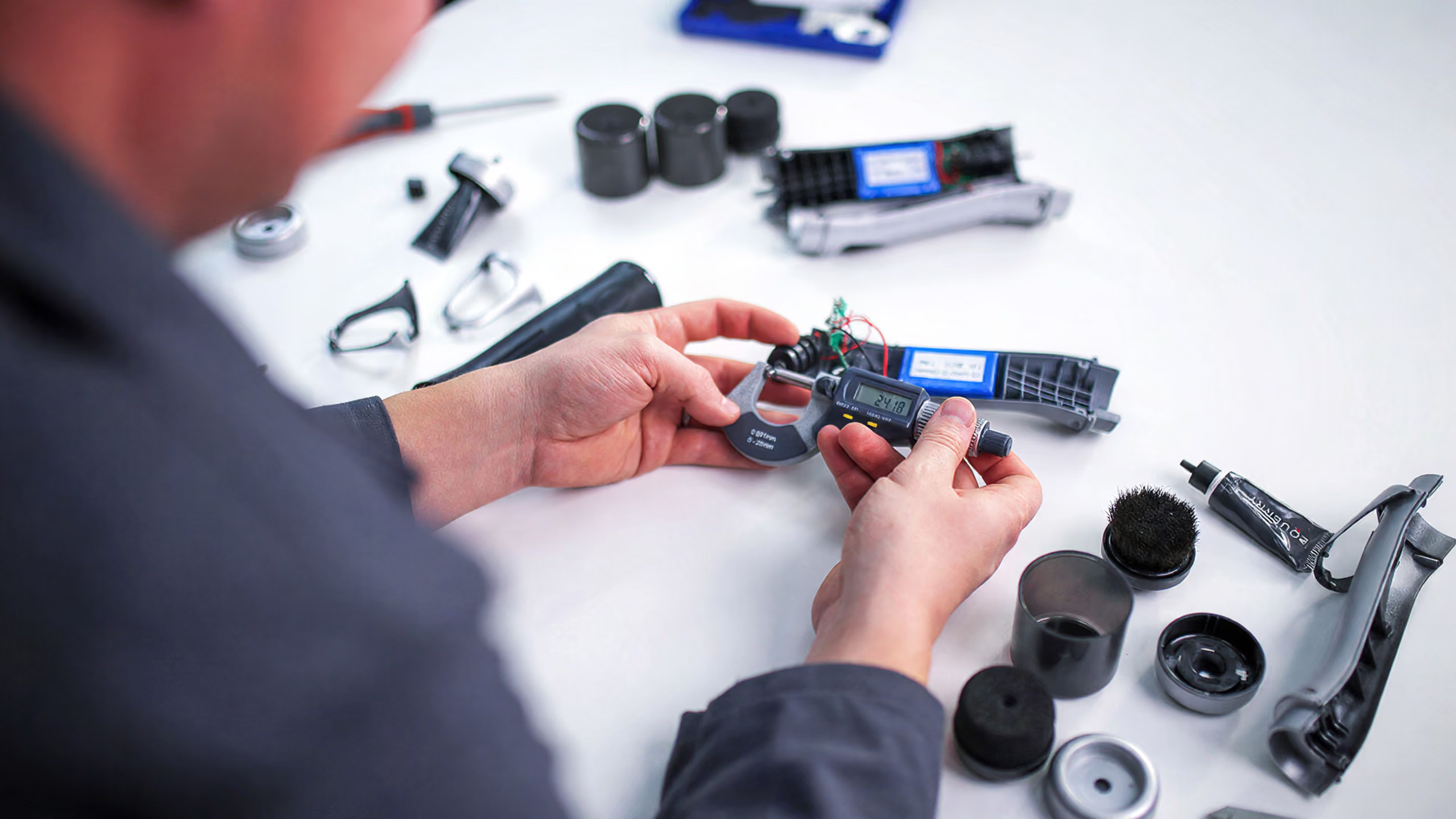
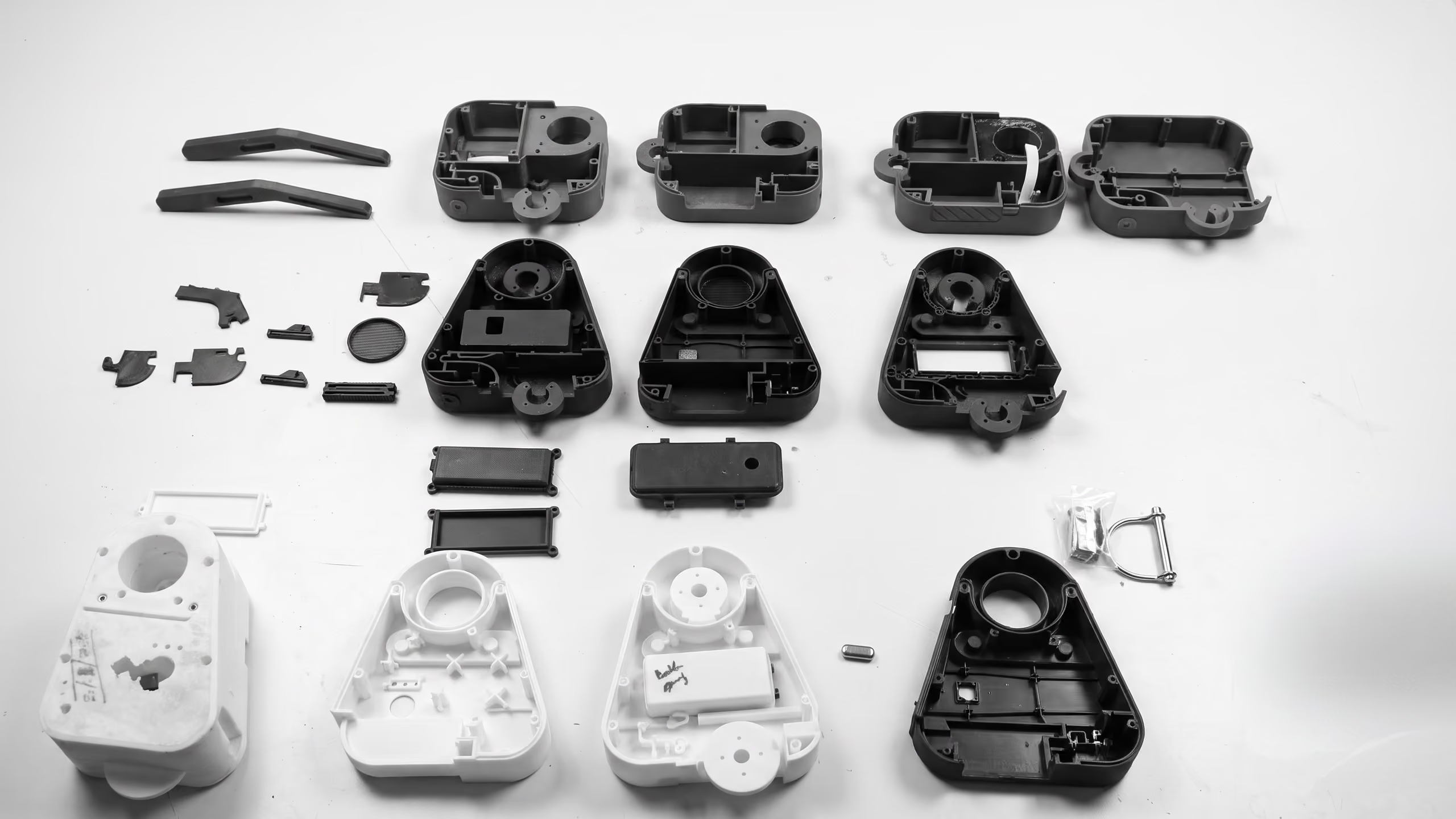
D2M kicked off with feasibility analysis and rapid concept prototyping to explore light diffusion, battery life, and weatherproofing. From there, we engineered a solution that balanced aesthetics, performance, and manufacturability. Key components, such as the LED arrangement and outer casing, were refined through multiple iterations—each informed by manufacturer feedback and real-world testing.
Throughout the process, D2M managed both design and manufacturing input to avoid the classic handoff issues that derail timelines and inflate costs. Working closely with our trusted electronics and tooling partners, we ensured the product met tight tolerances, regulatory requirements, and performance benchmarks—all while keeping unit costs commercially viable.
The result? A standout cycling product that’s not only technically sophisticated but also ready for scalable production. It’s a textbook example of what’s possible when designers and manufacturers are aligned from the start.
The Role of a Manufacturer

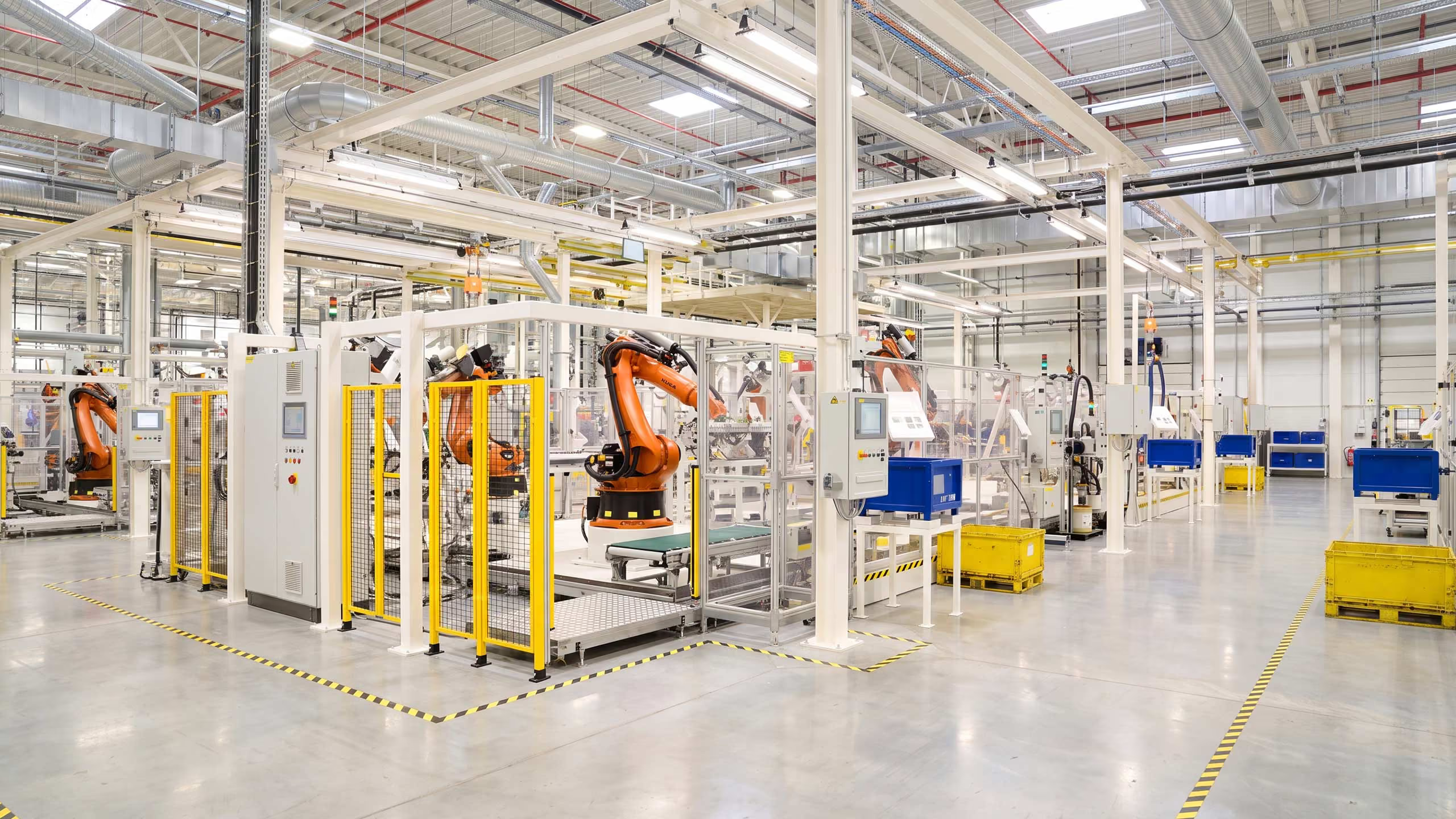
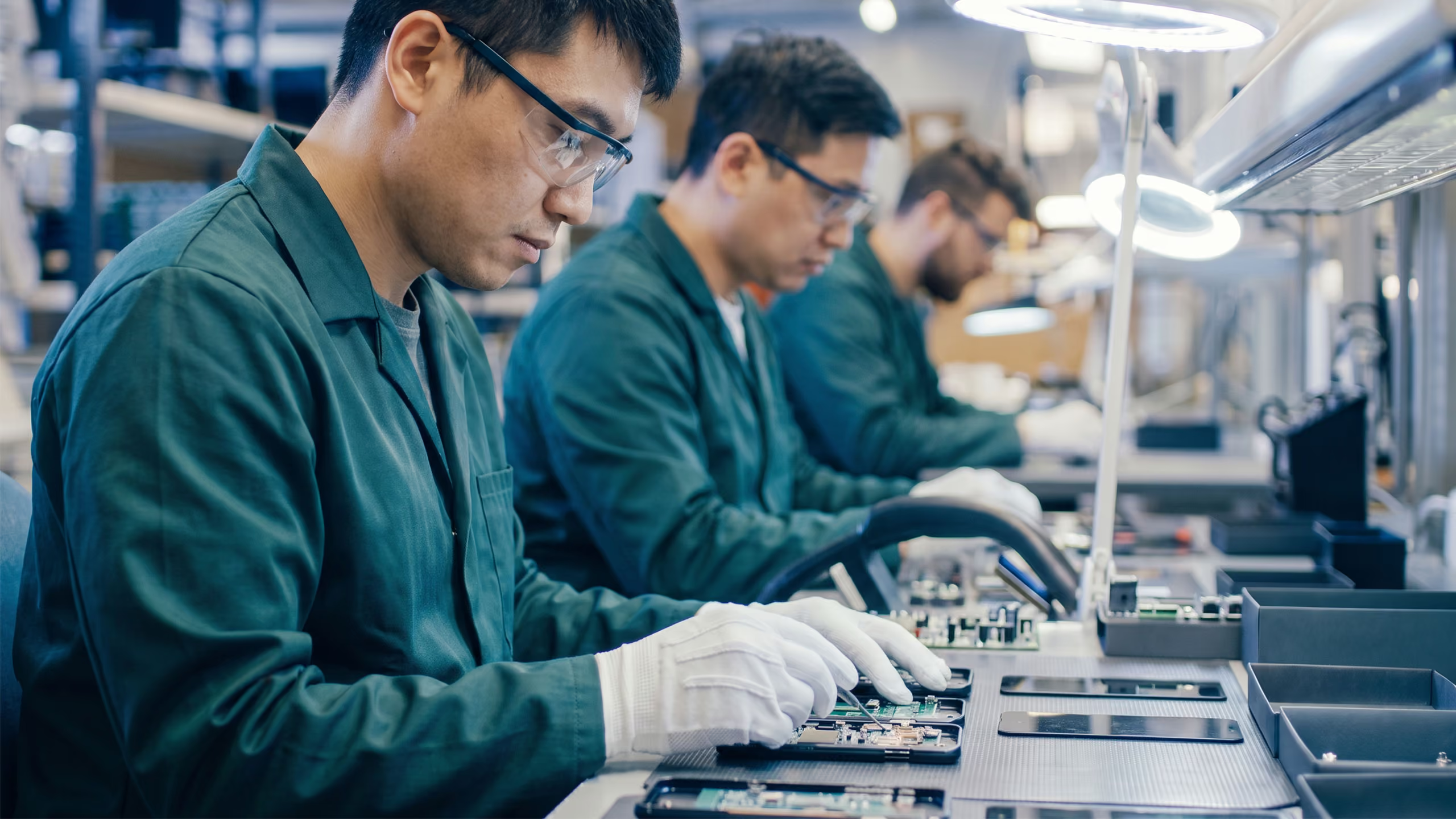
The role of a manufacturer is integral to the realisation of a designer’s vision, serving as the bridge between concept and tangible product. Manufacturers are responsible for the practical aspects of production, ensuring that designs are transformed into functional items that meet both quality standards and consumer expectations. This pivotal role requires not only an understanding of the design itself but also expertise in various manufacturing processes.
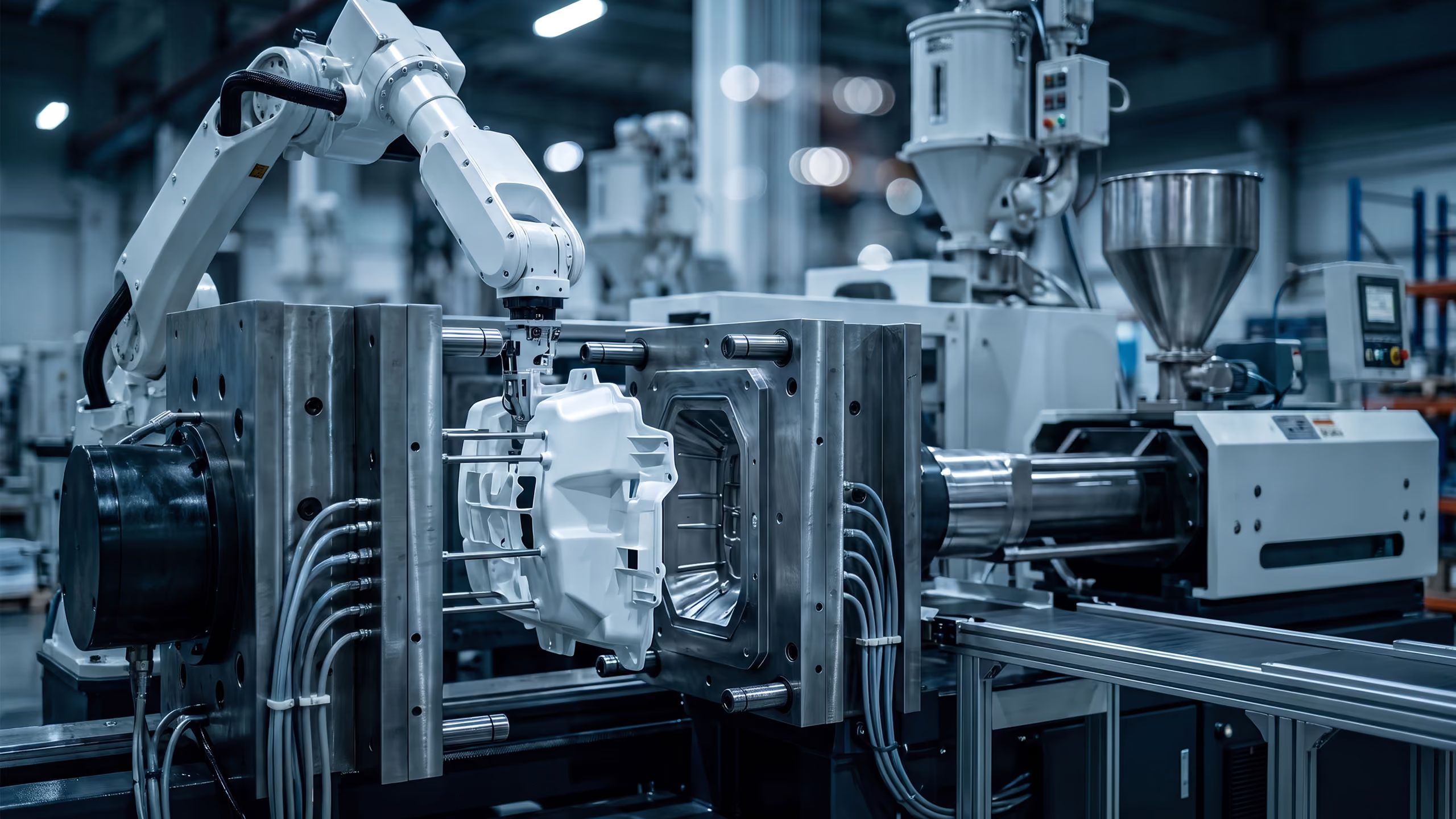
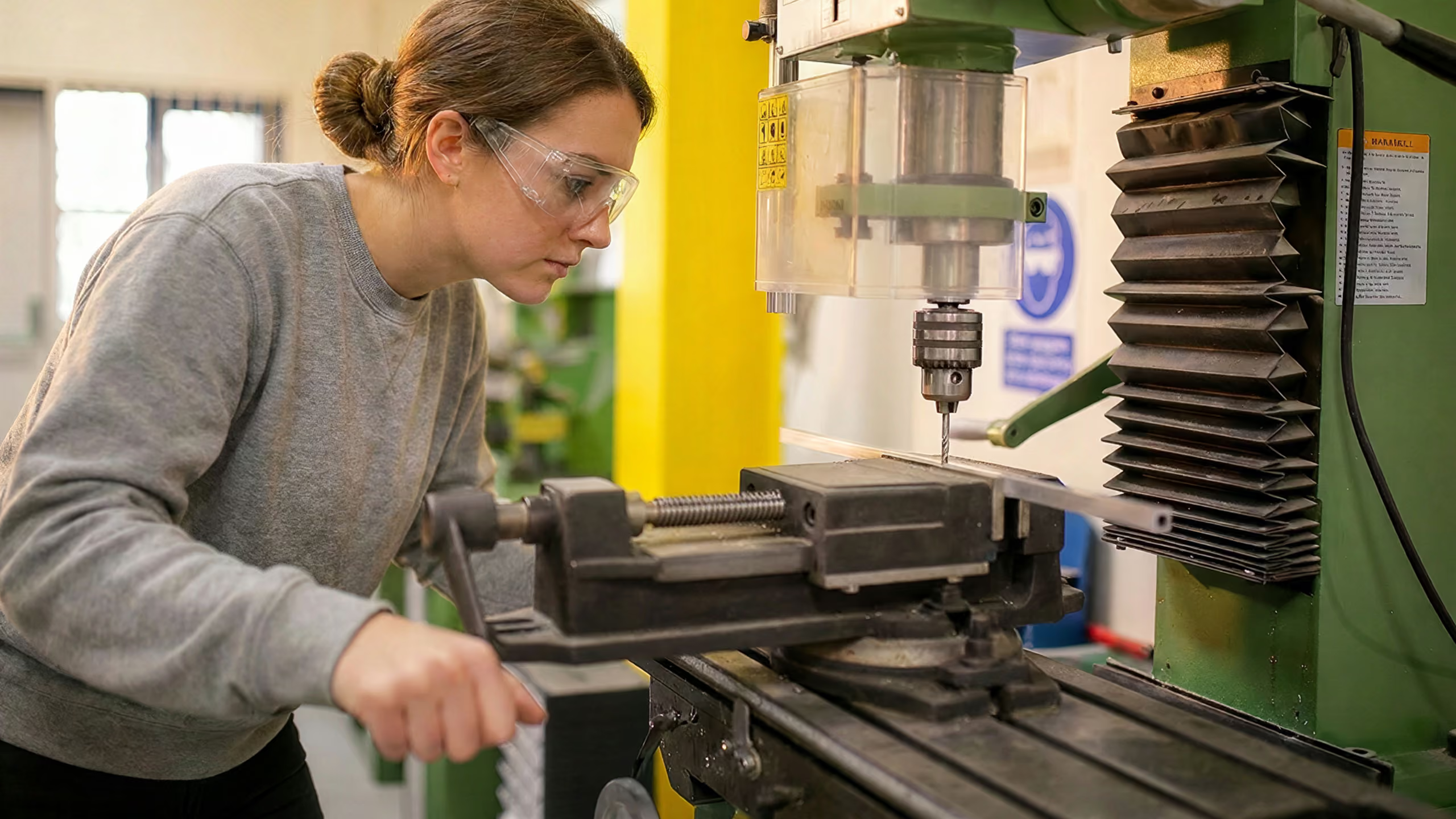
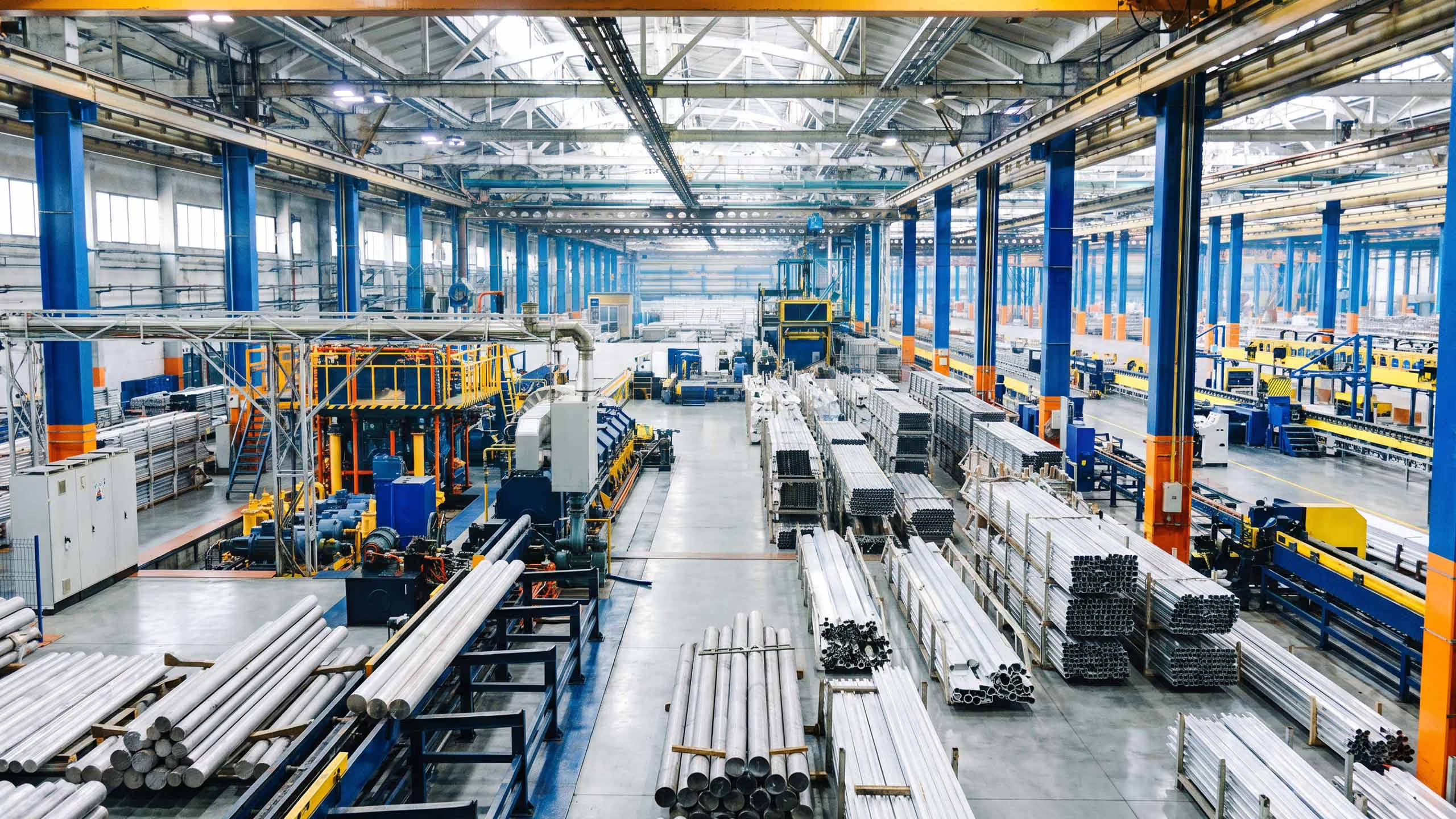
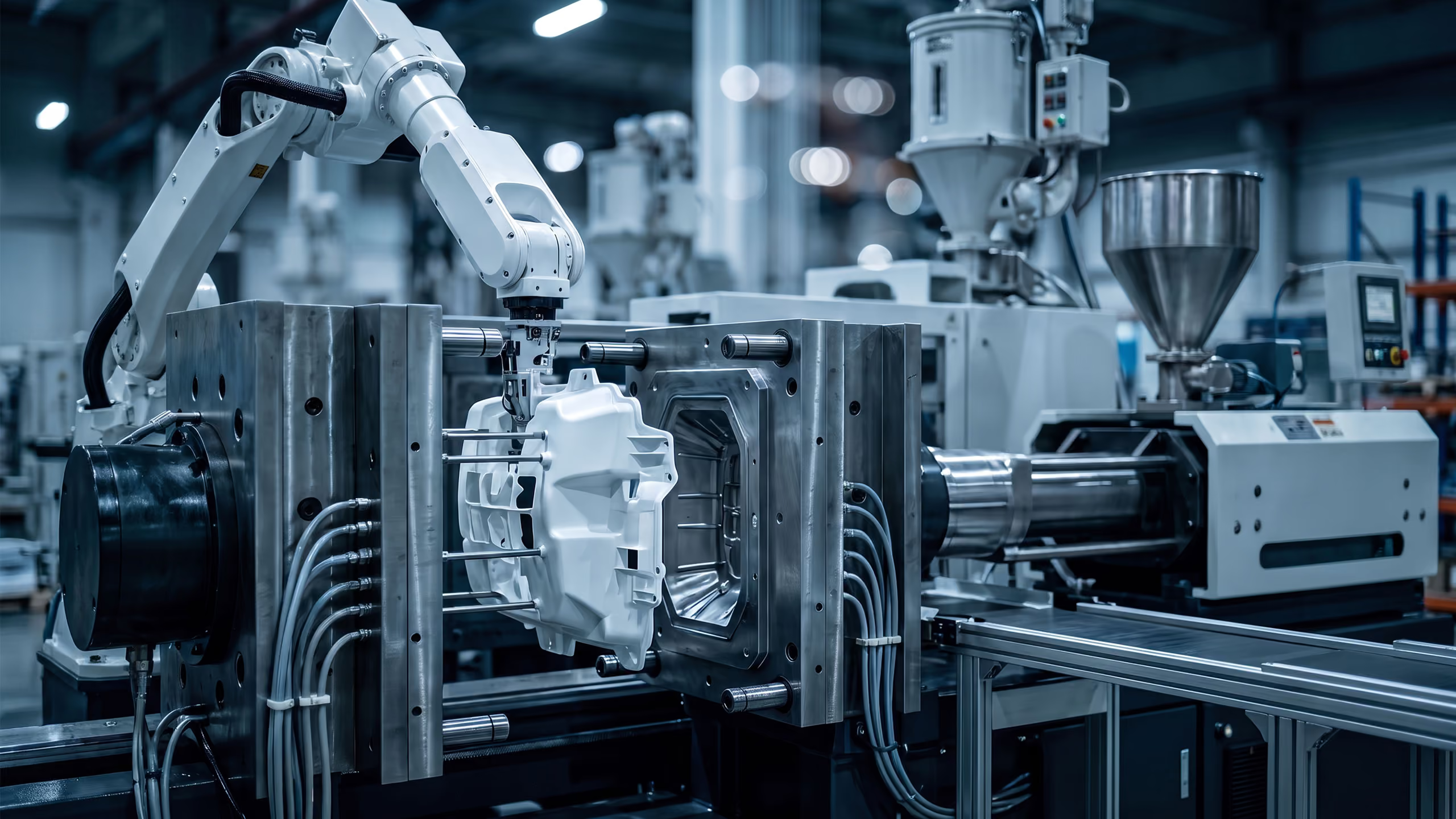
Manufacturers engage in a range of practices, including mass production, bespoke manufacturing, and additive techniques such as 3D printing. Each of these methods presents unique advantages and challenges, enabling manufacturers to select the most suitable approach based on the specific requirements of a product. For instance, mass production is ideal for high-volume items, while bespoke manufacturing caters to unique designs that require a more tailored approach. The rise of additive manufacturing has also opened avenues for innovation, allowing for the creation of complex geometries that traditional methods might struggle to achieve.
Quality control is a crucial aspect of the manufacturer’s responsibilities. Ensuring that each product adheres to established specifications and performance standards involves meticulous processes and regular checks throughout production. This commitment to quality not only safeguards the brand’s reputation but also minimises waste and reduces costs associated with defective products.
Moreover, manufacturers play a vital role in sourcing materials, which can significantly influence both the design and manufacturing process. Effective material selection ensures that the product is not only durable but also aligns with sustainability goals, an increasingly important consideration in today’s market. Collaboration with designers during this stage can lead to innovative solutions where material properties enhance the functionality of the design, ultimately benefiting both parties.
In order to navigate the complexities of modern manufacturing, effective communication between designers and manufacturers is essential. By sharing insights and addressing challenges collaboratively, manufacturers can provide valuable feedback to designers, leading to optimised designs that are easier and more cost-effective to produce. This partnership ultimately ensures that the visions crafted by designers become successful realities, benefiting from the combined expertise of both roles.

The Collaboration Between Designers and Manufacturers
The collaboration between designers and manufacturers is a crucial element in the product development process. This partnership not only enhances creativity but also streamlines the transition from conceptualisation to production. By working closely together, designers and manufacturers can ensure that the end product meets both aesthetic and functional standards, ultimately resulting in a successful market offering.
Effective communication is at the heart of this collaboration. Designers convey their vision and intent, providing detailed specifications that guide manufacturers in the production process. This exchange of information allows manufacturers to understand the intricacies of the design, including materials, finishes and performance expectations. By articulating these details clearly, designers help prevent misunderstandings that could lead to costly revisions or delays.
However, the relationship is not without its challenges. Designers may sometimes envision products that are difficult or expensive to manufacture, while manufacturers might impose constraints based on capabilities and resources. Navigating these differences requires a collaborative mindset, where both parties are open to compromise and creative problem-solving. Finding solutions that satisfy both design aspirations and manufacturing realities is essential to achieving the desired outcome.
To foster a productive working relationship, regular meetings and discussions can be beneficial. This allows for alignment on project milestones, timelines and any issues that may arise during production. Such dialogue enables designers to receive ongoing feedback from manufacturers, which can be invaluable during the design refinement process. This iterative approach not only enhances the initial concept but also strengthens the collaboration by building trust and understanding between both parties.
Real-world examples of successful collaborations illustrate the positive outcomes that can arise when designers and manufacturers work in harmony. Notable innovations in various industries, from technology to fashion, often stem from close partnerships that blend creative vision with practical expertise. These case studies serve as a testament to the power of collaboration, showcasing how the combined knowledge of designers and manufacturers leads to unique products that stand out in the marketplace.
In summary, the collaboration between designers and manufacturers is essential for turning ideas into reality. By fostering open communication, addressing challenges together, and learning from one another, both parties can create products that not only meet but exceed customer expectations. This partnership ultimately drives success, reflecting the importance of their combined efforts in the dynamic landscape of product development.
![]()
Trends and Future Directions
As the landscape of product development evolves, several trends are shaping the relationship between designers and manufacturers. Staying attuned to these developments is essential for both parties to remain competitive and innovative.
One prominent trend is the increasing focus on sustainability. Consumers are becoming more environmentally conscious, which has compelled designers to consider sustainable materials and processes in their designs. Manufacturers are also responding by adopting eco-friendly practices, such as reducing waste, recycling materials and utilising energy-efficient production methods. This collaboration fosters innovation, as both designers and manufacturers work together to develop products that meet sustainability criteria while still appealing to consumer demands.
Technology integration is another significant trend impacting the designer-manufacturer dynamic. Advancements in digital tools and software are transforming the design process, allowing for more iterative and collaborative approaches. For example, Computer-Aided Design (CAD) software enables designers to create intricate models that manufacturers can review and modify during the early stages of development. Such technology not only improves the efficiency of communication but also helps identify potential production issues before they arise, ultimately saving time and resources.
The rise of additive manufacturing, commonly known as 3D printing but for volume manufacture, is revolutionising the production process. This method allows for the production of complex designs that traditional manufacturing methods might struggle to achieve. Designers can experiment with intricate shapes and structures, while manufacturers can produce items on-demand, reducing inventory costs and waste. This trend exemplifies how a collaborative relationship between designers and manufacturers can lead to breakthrough innovations that push the boundaries of conventional design.
Looking ahead, the future of the designer-manufacturer relationship will likely be characterised by even greater collaboration and integration. As industries continue to adapt to evolving consumer expectations and technological advancements, a cooperative approach will be essential for success. By embracing trends such as sustainability, technology integration and innovative manufacturing processes, designers and manufacturers can create products that not only meet the market’s demands but also contribute positively to society.
In summary, staying abreast of these emerging trends and fostering collaboration will be vital for designers and manufacturers as they navigate the intricacies of product development. Their ability to adapt and innovate together will determine their success in an increasingly competitive landscape.
Designers and Manufacturers FAQs
What is the primary role of a designer in product development?
The primary role of a designer is to conceptualise and create innovative ideas that are both functional and aesthetically pleasing. They conduct research, develop prototypes, and refine their designs based on feedback to ensure quality and usability.
How do manufacturers contribute to the product development process?
Manufacturers are responsible for transforming designs into tangible products by overseeing production processes, sourcing materials and ensuring quality control. Their expertise ensures that the final product meets design specifications and market expectations.
Why is collaboration between designers and manufacturers important?
Collaboration is essential as it allows for effective communication, problem-solving, and alignment between design and production goals. This partnership helps address challenges, leading to successful product realisation that benefits both parties.
What are some current trends impacting designers and manufacturers?
Current trends include a focus on sustainability, the integration of advanced technologies like AI and 3D printing, and the increasing demand for eco-friendly materials and processes. Adapting to these trends is crucial for both designers and manufacturers to stay competitive.
How can companies ensure effective communication between designers and manufacturers?
Companies can ensure effective communication by establishing regular meetings, using collaborative tools and fostering an open feedback culture. This approach allows for addressing concerns early and refining both design and manufacturing processes collaboratively.
Conclusion
In the dynamic realm of product development, each role brings unique strengths and expertise to the table, with designers crafting innovative concepts and manufacturers translating these ideas into tangible products. This partnership is essential not only for meeting consumer expectations but also for driving innovation and ensuring quality.
Throughout this article, we have explored the various roles played by designers and manufacturers, highlighting the importance of effective communication and collaboration in navigating challenges. Case studies, particularly the work of D2M, underscore the value of a synergistic approach, illustrating how a strong partnership can lead to successful product launches that resonate with consumers.
As trends such as sustainability, technology integration and additive manufacturing reshape the product development landscape, the collaboration between designers and manufacturers will become even more critical. Embracing these changes together will enable both parties to push the boundaries of design and production, fostering creativity and efficiency in the process.
In conclusion, as the market continues to evolve, the interplay between designers and manufacturers will remain a defining factor in creating innovative, high-quality products. By recognising the significance of their partnership and adapting to emerging trends, both designers and manufacturers can ensure their continued success, bringing forth products that not only captivate consumers but also align with broader societal values. The future of product development lies in this collaborative spirit, paving the way for a new era of creativity and excellence.