The product design process turns an idea into a manufacturable, commercially viable product through a set of structured stages, from research and ideation through prototyping and testing to final design and production. Each stage reduces uncertainty and builds the evidence the next one depends on, which is what keeps cost, quality and timing under control. This guide walks through all seven stages, with a real example of the process in action.
Turning a good idea into a product people will buy is rarely as direct as it first looks. Between the initial concept and a product on the shelf sits a series of stages, each with its own decisions, and skipping them is where most avoidable cost and delay begin. A clear design process gives that journey structure: it reduces risk, keeps the work aligned with what the market actually needs, and makes sure the result can be manufactured at a price that leaves a margin.
This guide sets out the seven stages we work through, what each one involves, and why it matters commercially. Our approach always starts from the practical realities of the project, so alongside the creative work you will see where cost, manufacturability and viability enter the picture, because in our experience that is what separates a product that reaches the market from one that stalls before it.
The seven stages at a glance
- Research and discovery — understanding the market, the user and the competition.
- Ideation — generating a wide range of possible solutions.
- Concept development — refining the strongest ideas into defined concepts.
- Prototyping — making the concept tangible, from low to high fidelity.
- Testing and validation — putting prototypes in front of real users and refining.
- Final design — finalising specifications and preparing for manufacture.
- Production and launch — moving into manufacture and going to market.
Each stage builds on the last. Presented in sequence for clarity, in practice several often run in parallel, with insight from testing feeding back into design and manufacturing considerations shaping decisions from the very start.
Why the process matters
A structured process is not box-ticking. It changes the odds of success in several concrete ways.
It keeps the design centred on the user, so the product resonates with the people meant to buy it rather than only satisfying the people making it. It manages risk, because the iterative nature of the work surfaces problems early, while they are cheap to fix, rather than after tooling has been cut. It improves the use of time and budget, since a clear sequence of decisions prevents the expensive circling back that undisciplined projects fall into. And it keeps the product commercially grounded: by watching unit cost and manufacturability from the outset, design choices support not just how the product looks and works, but whether it can be made and sold profitably.
The seven stages in detail
Research and discovery
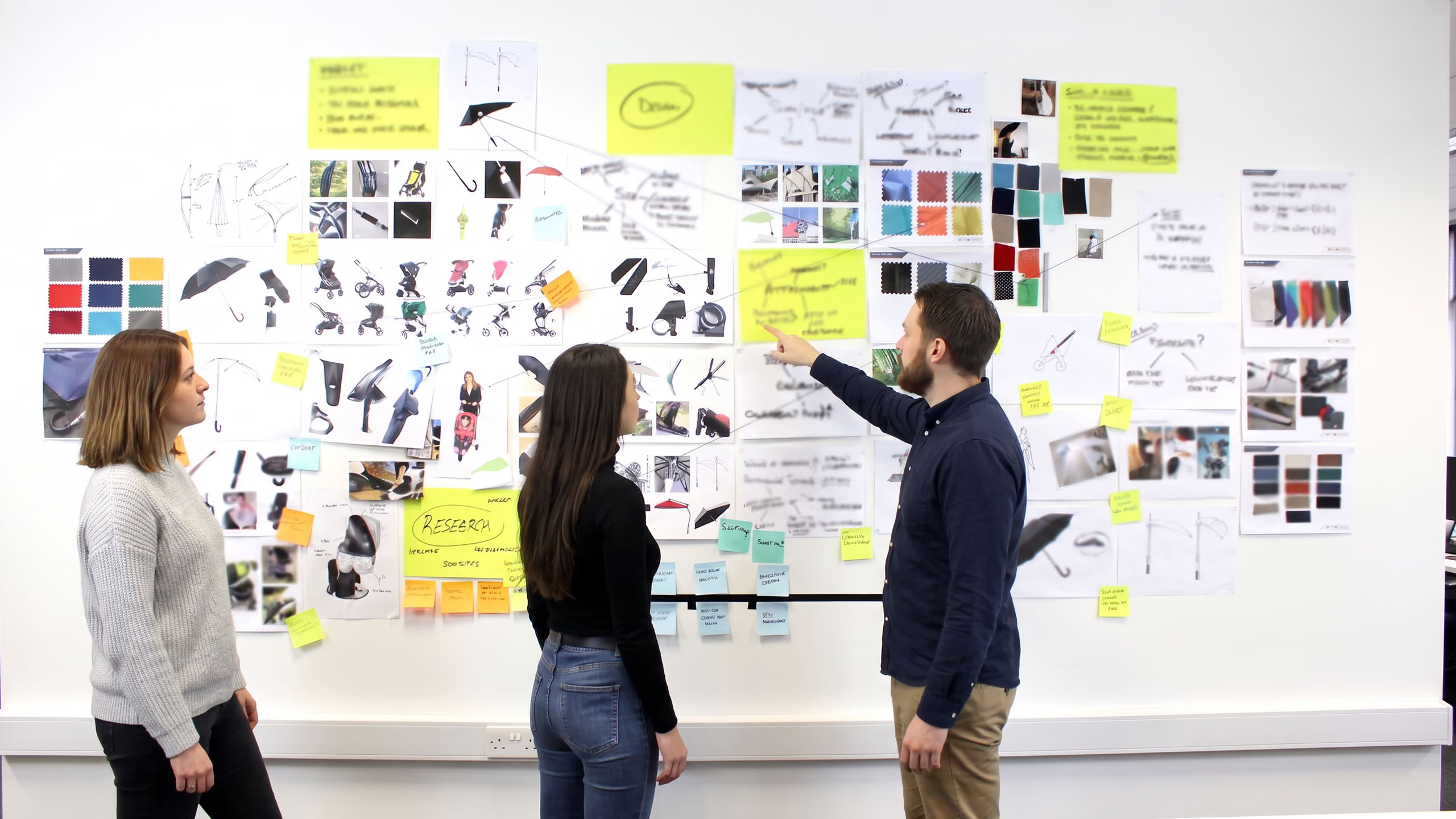
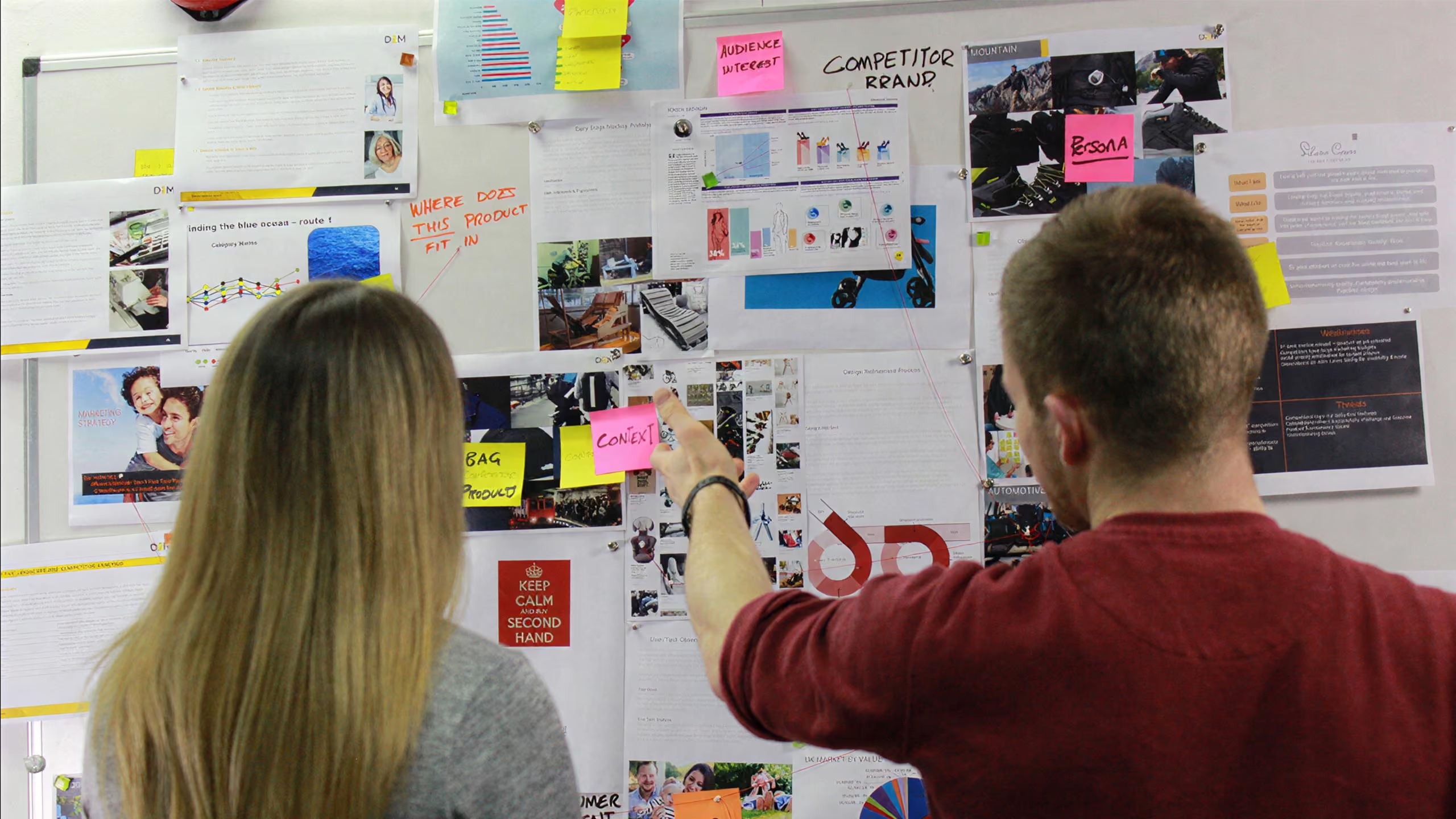
The research phase sets the foundation for everything that follows. It combines user interviews and surveys to understand real pain points and preferences, market analysis to map trends, competitors and the gaps worth pursuing, and broader data gathering from both primary and secondary sources. The aim is a well-rounded picture of the market and the user before a single concept is drawn, so that later decisions rest on evidence rather than assumption.
Ideation
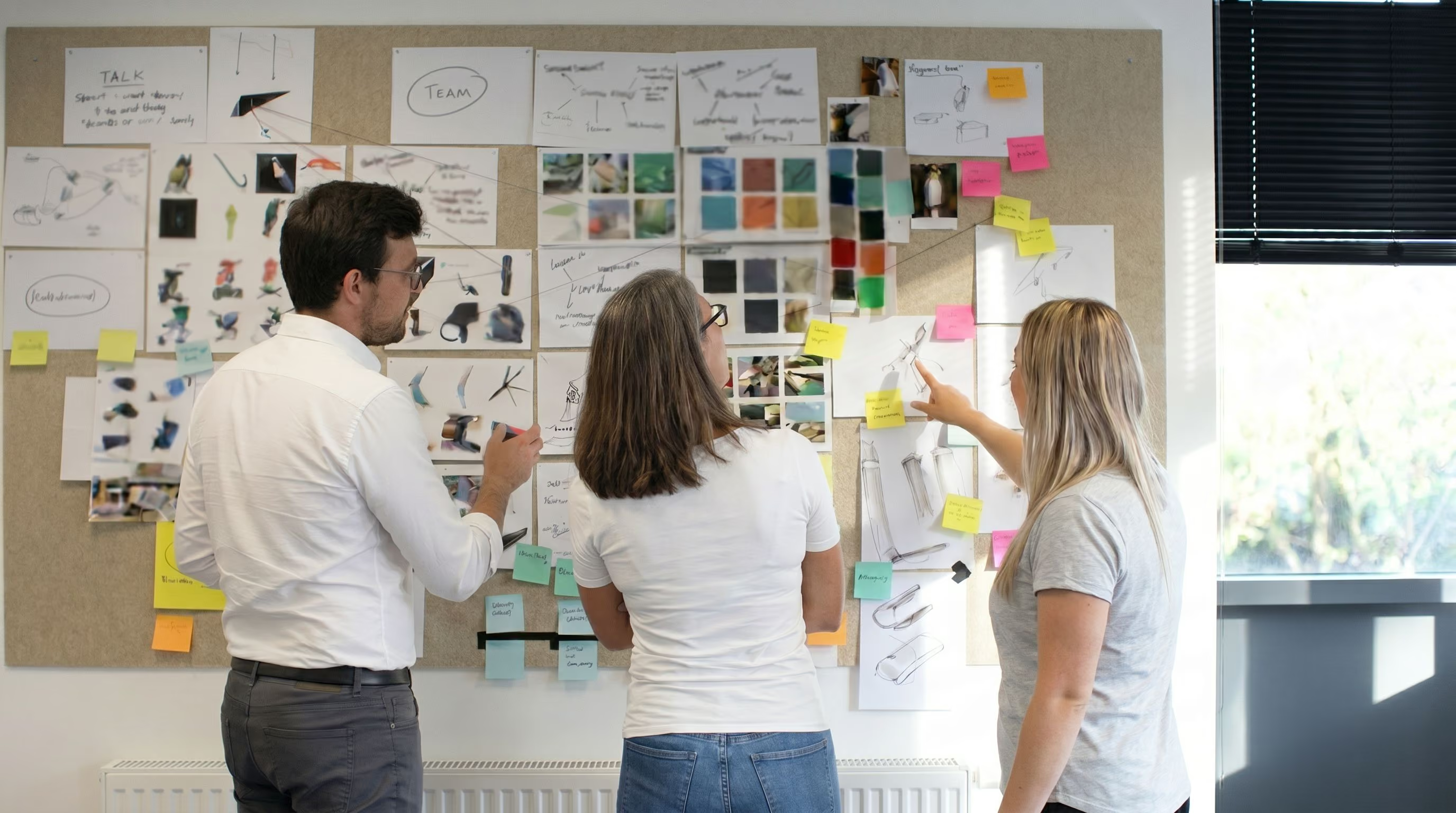
With the groundwork laid, ideation opens the field. Facilitated sessions generate a wide range of ideas, using techniques such as sketching, concept mapping and structured brainstorming to push past the obvious. The point at this stage is breadth: exploring both safe and ambitious directions before narrowing. Ideas are then prioritised against feasibility, market relevance and business goals, so the strongest candidates carry forward.
Concept development
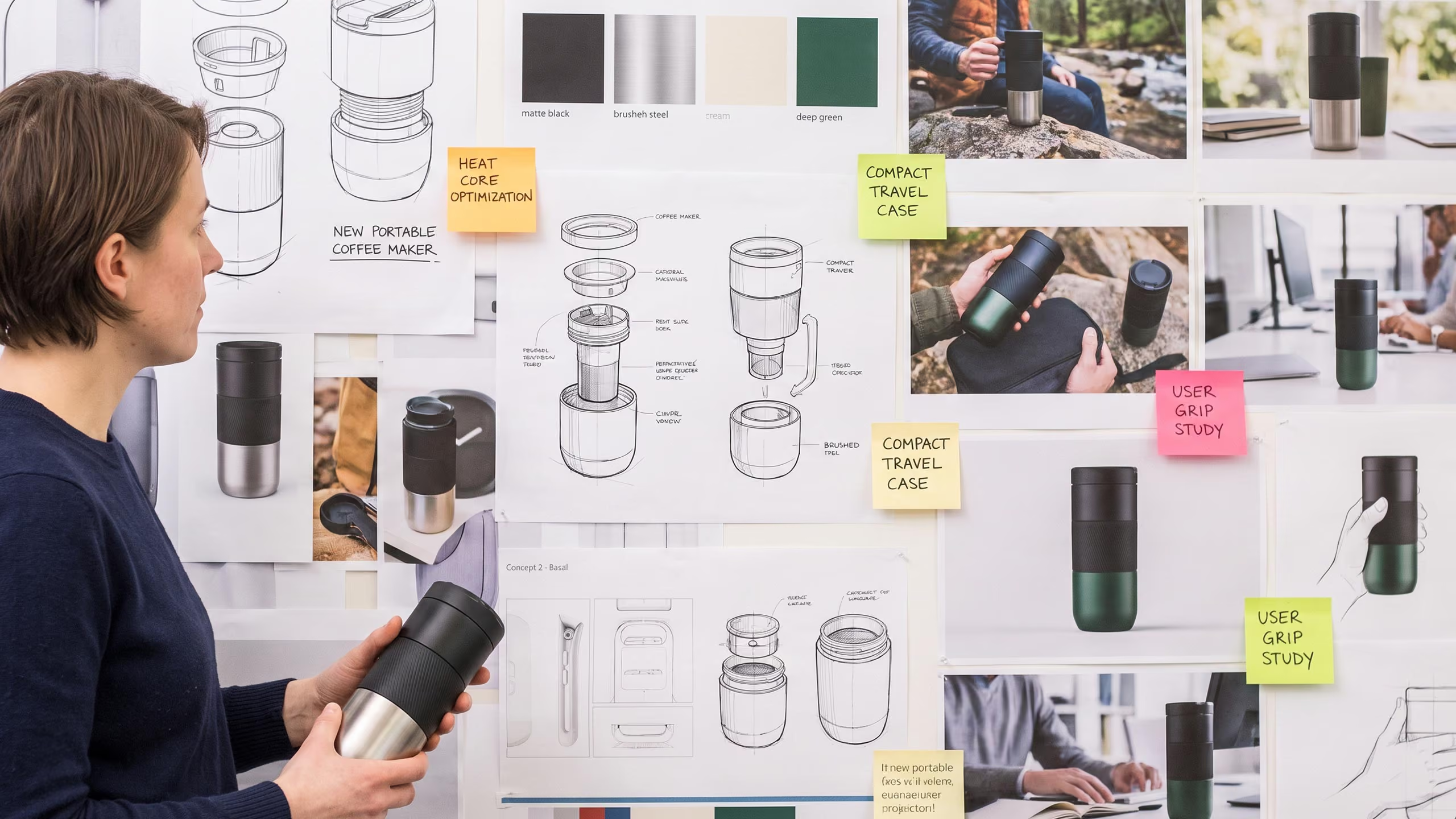
Here the selected ideas are worked up into defined concepts. This means detailing the core features, functionality and aesthetics of each, and setting out a clear vision of the proposed product. Storyboards or usage scenarios help show how someone would actually interact with it, and internal review draws in different perspectives to refine the direction before any significant money is committed.
Prototyping
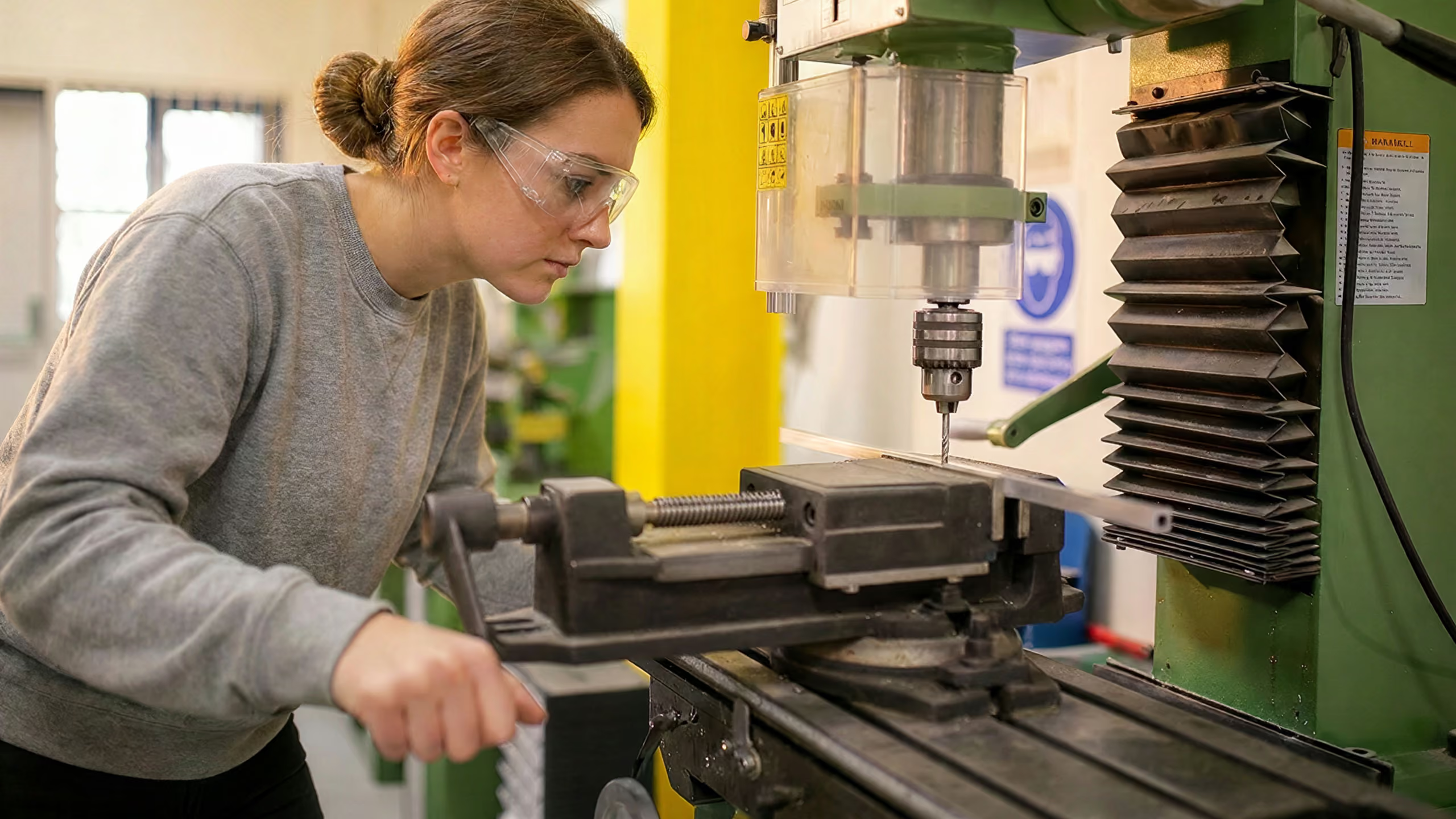
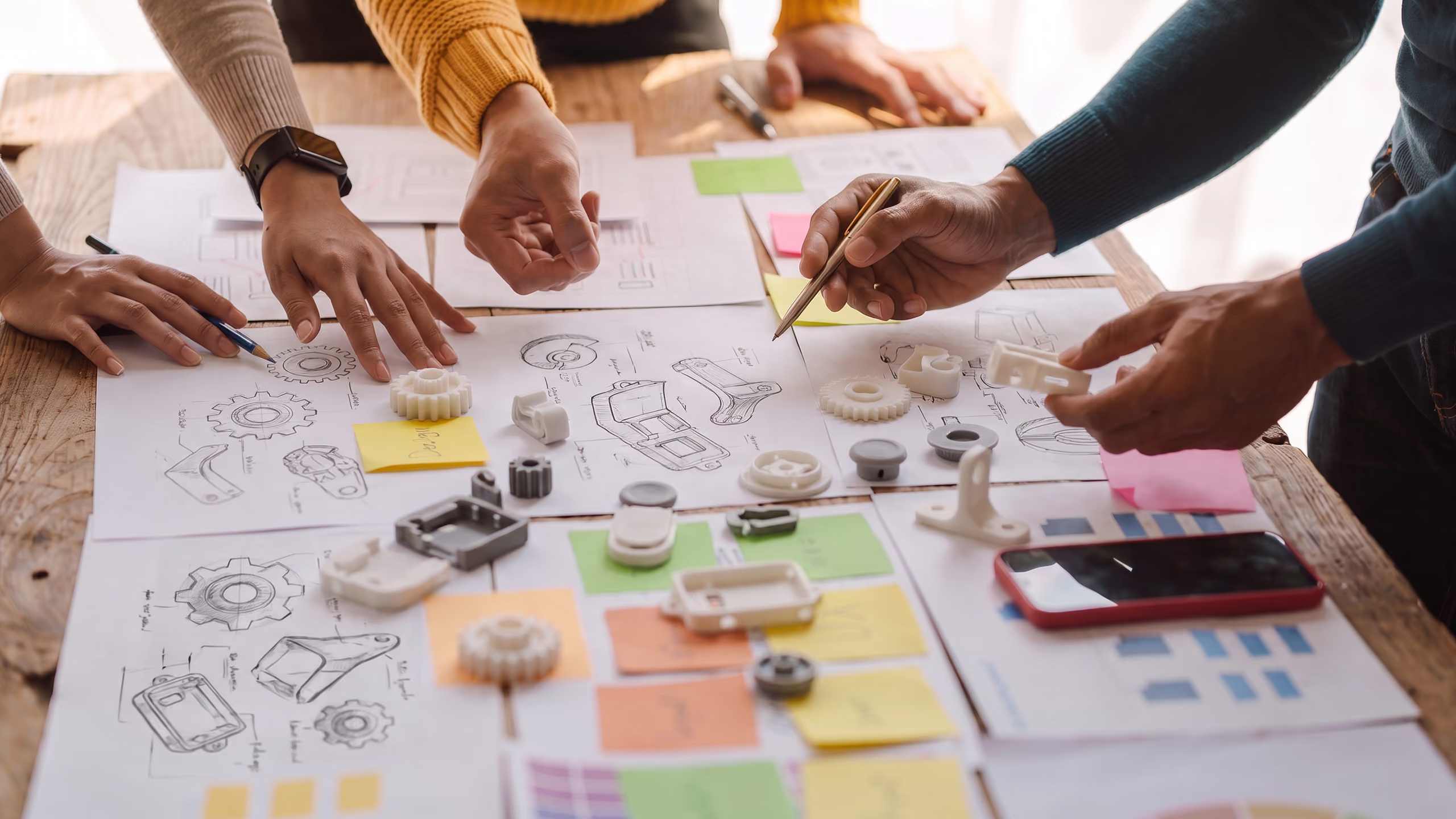
Prototyping is where the concept becomes something you can hold. It typically moves through fidelities: low-fidelity prototypes made from basic materials, off-the-shelf or 3D-printed parts, which establish feasibility whilst incurring minimal cost; then high-fidelity prototypes, built to closely resemble the final product, for in-depth testing of function and design. Feedback runs throughout, keeping the work on track. Our own workshop and 3D print room let us move between these routes quickly, and a designer will advise on the best method for a given product and the cost implications of each. For the full picture, see our guide to prototype development.
Testing and validation
Testing confirms the product does what it needs to. Usability testing, where real users interact with a prototype, surfaces problems that are invisible from the inside. Performance testing checks the product functions as intended and meets its technical requirements. What is learned feeds an iterative loop of refinement, so each version addresses the weaknesses of the last. This is deliberate: it is far cheaper to resolve a problem in a prototype than in a production run.
Final design
Once testing is complete, the design is finalised for manufacture. This means detailed documentation, materials, dimensions, processes and quality standards, captured in a manufacturing specification that a factory can quote and build from without ambiguity. A final review aligns everyone before production, and preparation for manufacture, including sourcing and securing production partners, is put in place. This is also where design for manufacture and value engineering do their most valuable work, refining the product so it can be made economically without compromising what it does.
Production and launch
The final stage moves from design into manufacture and market. It involves close collaboration with production to ensure the product is built to specification with quality control throughout, a launch strategy covering positioning, branding and promotion, and post-launch monitoring so that feedback from the market can inform adjustments and future iterations.
The early stages, up close
The front of this process, from first idea to a validated concept, deserves particular attention, because decisions made here shape everything downstream. This is where an abstract idea is turned into a clear, tangible vision: ideas are generated, initial sketches explore form and function, early models test the thinking, and feedback from potential users validates the direction before real money is committed.
It is worth being clear about a distinction that often causes confusion. The early design work, sometimes called idea design, is the creative front end: generating, refining and validating the concept. Product development is the wider journey that follows, carrying that concept through prototyping, testing, manufacturing and launch. The two are connected, but treating the idea stage with the seriousness it deserves is what makes the development that follows smoother and less costly. Even at this early point, thinking about manufacturability pays off: considering materials, assembly and tooling while the design is still fluid avoids expensive rework later.
A real example: SeeMe 360
The value of a full process shows most clearly in a finished product. We worked with an entrepreneur who came to us with an idea for a 360-degree visibility bike light to improve cyclist safety on night rides, but no technical design background. The concerns were common ones: how to develop a functional prototype strong enough to convince crowdfunding backers, how to make sure the design could be manufactured affordably at scale, and how to protect the idea.
We worked through the stages in turn. Concept development explored form factors, mounting options and light patterns. 3D CAD and electronics integration produced a housing to hold powerful LEDs, a rechargeable battery and waterproof seals. Functional prototyping, using 3D printing and hand assembly, produced a fully working unit. A manufacturing feasibility review then sourced production components and refined the design for injection moulding, and we supported the crowdfunding launch with the visuals, video and strategy it needed.
The result was a product that hit its Kickstarter goal in 48 hours, raised more than £20,000 in pre-orders, won multiple design awards, and moved into tooling for mass production. The process is what made it possible: proving the concept early, designing for manufacture from the outset, and preparing a launch that could carry it to market. You can see the finished project on our SeeMe 360 case study.
Best practices for a successful process
A few principles consistently make the difference between a product that reaches the market and one that does not.
Involve users throughout, rather than designing in isolation and hoping. Keep communication open across the team and stakeholders, since the best solutions tend to come from combined perspectives. Consider starting with a minimum viable product, a basic version carrying only the core functionality, to gather real feedback before investing in a full-scale design. Iterate quickly, because fast cycles find and fix problems sooner. Design for commercial success by keeping a close eye on unit cost from the earliest stages. Apply design for manufacture from the outset, so the concept can be produced economically and scaled smoothly. And work with an experienced design team, whose judgement across many projects helps recognise risks early and navigate them with focus.
How D2M can help
We guide businesses through every stage of the product design process, from the first idea to a market-ready product. We start with market research and user insight to inform your strategy, then facilitate ideation to explore a range of solutions. Strong concepts are developed and refined through high-quality prototyping and structured user testing, so the design genuinely resonates with the people it is for.
Throughout, our focus stays on commercial success. We evaluate every concept for cost-effective manufacture, applying design for manufacture and value engineering principles from the outset, so the product is not only innovative and user-friendly but practical to produce and ready to scale. From research through to a smooth transition into manufacture, we work to minimise your risk and give the product the best possible chance in the market.
In short
The product design process is the roadmap that turns a creative idea into a successful, market-ready product. Its seven stages, from research and ideation through prototyping and testing to final design and production, each reduce risk and build the evidence the next stage needs. Followed properly, and with manufacturability and commercial viability considered from the start, it is what gives a product a real chance of reaching the market and succeeding there.
Related guides: Prototype Development · Low Fidelity Prototypes · High Fidelity Prototypes · Manufacturing Specification · Value Engineering
See it in practice: SeeMe 360
FAQ
What is the product design process? The step-by-step journey from idea to market-ready product. It covers research, ideation, concept development, prototyping, testing, final design and preparation for manufacture.
Why is the process necessary? It reduces costly mistakes, speeds up development, and makes sure the final product meets real user needs and can be made at the right price.
What are the seven stages of product design? Research and discovery, ideation, concept development, prototyping, testing and validation, final design, and production and launch.
How long does the process take? Anywhere from a few weeks to several months, depending on the complexity of the product and how many iterations are needed. Projects involving electronics typically take longer.
Can I skip prototyping to save time? It is rarely wise. Skipping prototypes tends to push problems, and their cost, into production, where they are far more expensive to fix. Even low-cost models provide feedback that shapes better decisions.