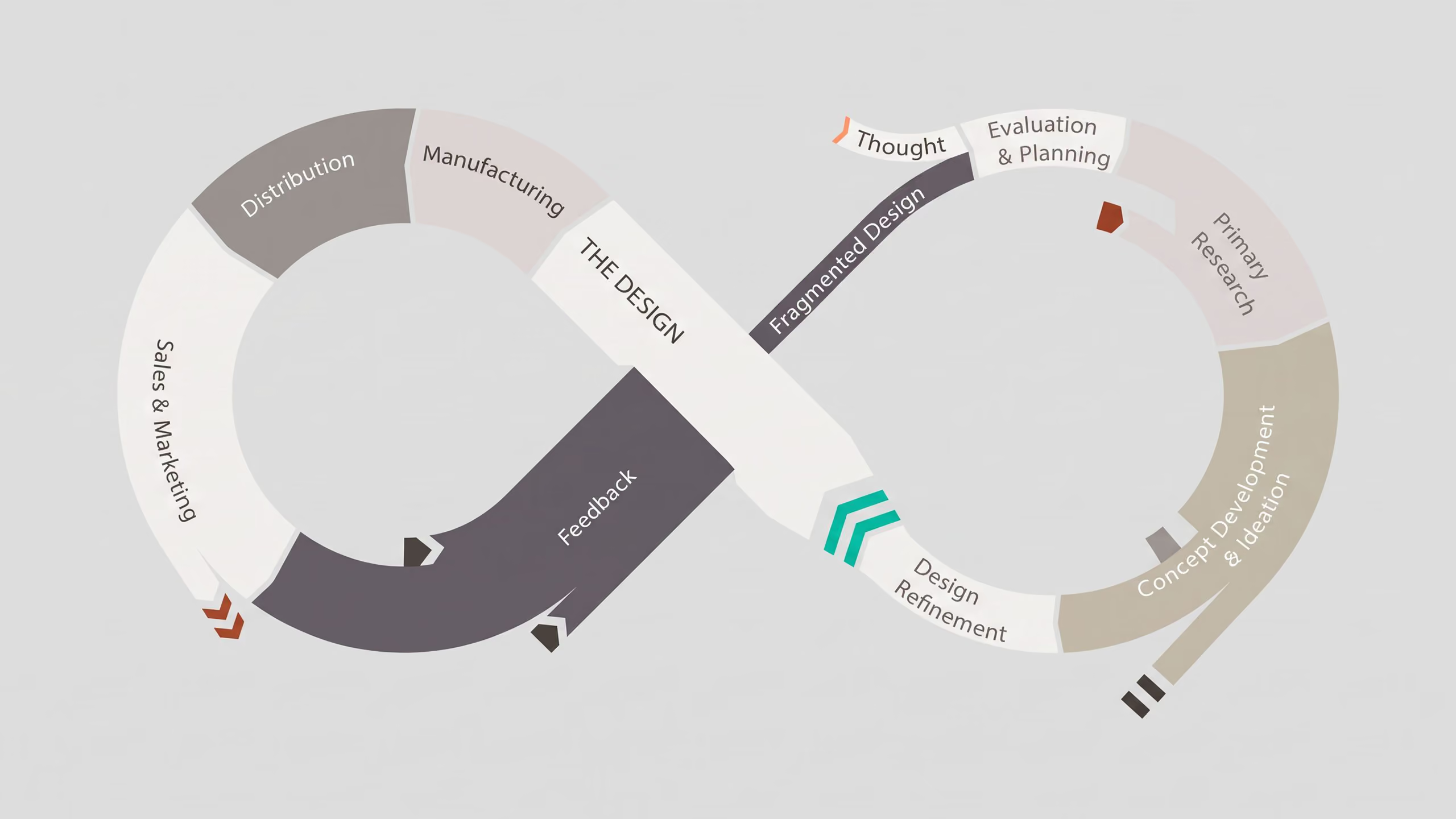
The product development lifecycle is the whole journey of a product, from first idea through design and launch, into growth and maturity, and eventually to decline. Understanding the stages helps you plan resources, anticipate risk and make better decisions at each point. This guide walks through the cycle and what each stage asks of you.
The lifecycle is a framework for the stages a product passes through from conception to eventual withdrawal. Its value is structure: by breaking a complex journey into distinct stages, you can allocate resources sensibly, catch risks early, and judge honestly where a product is and what it needs next. It applies whether you're launching a first product or managing an existing range.
Idea generation
The cycle begins with generating and exploring ideas, from market research, customer feedback, competitor analysis and emerging trends. The aim is to surface opportunities that fit both a genuine market need and your business goals, before narrowing to the ones worth pursuing.
Concept development and design
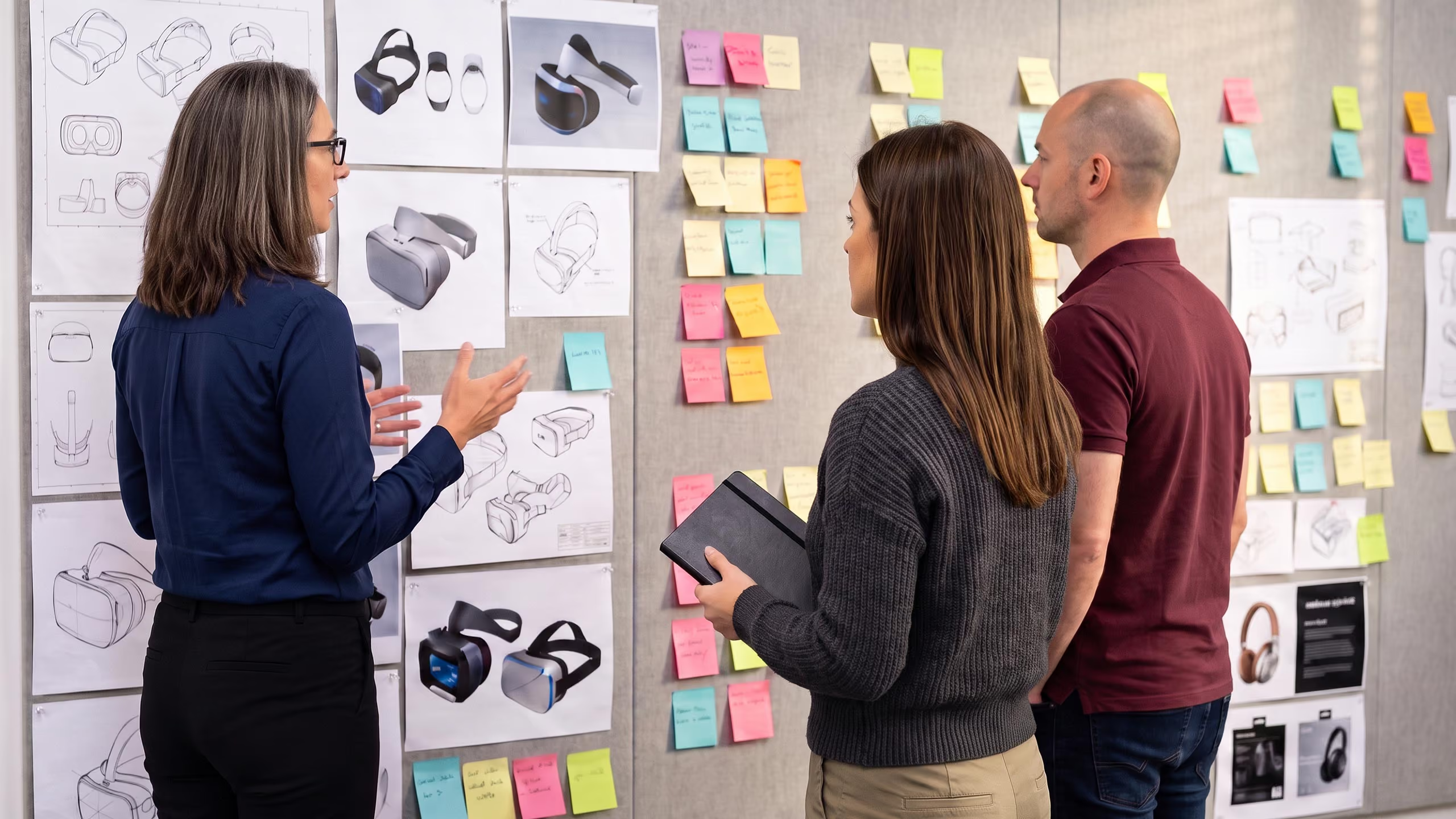
Promising ideas are refined into clear, workable concepts with defined goals, then developed into detailed designs. This is where the product's form, features and functionality are worked out, and where early attention to feasibility and cost prevents expensive revisions later.
Prototyping and testing
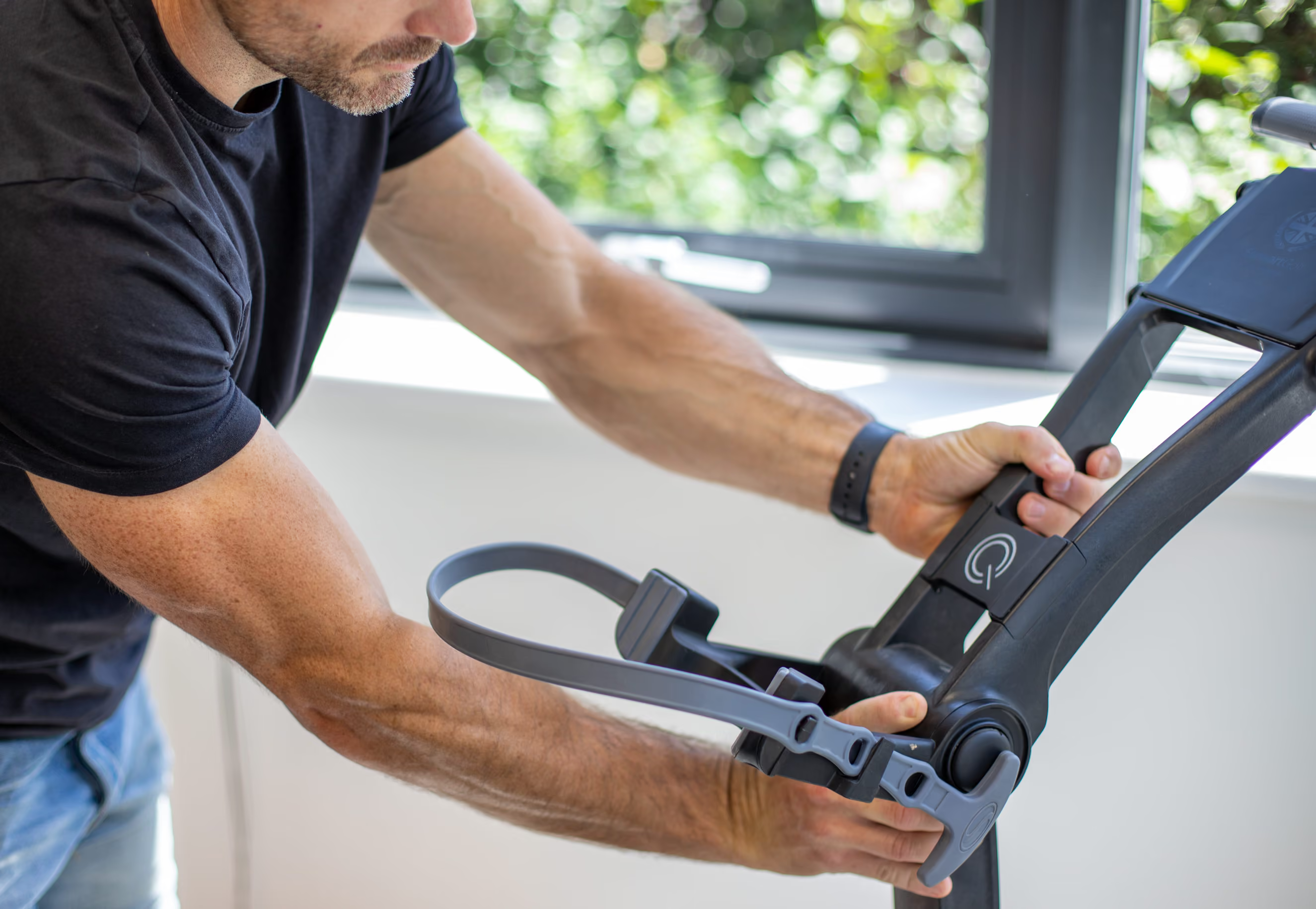
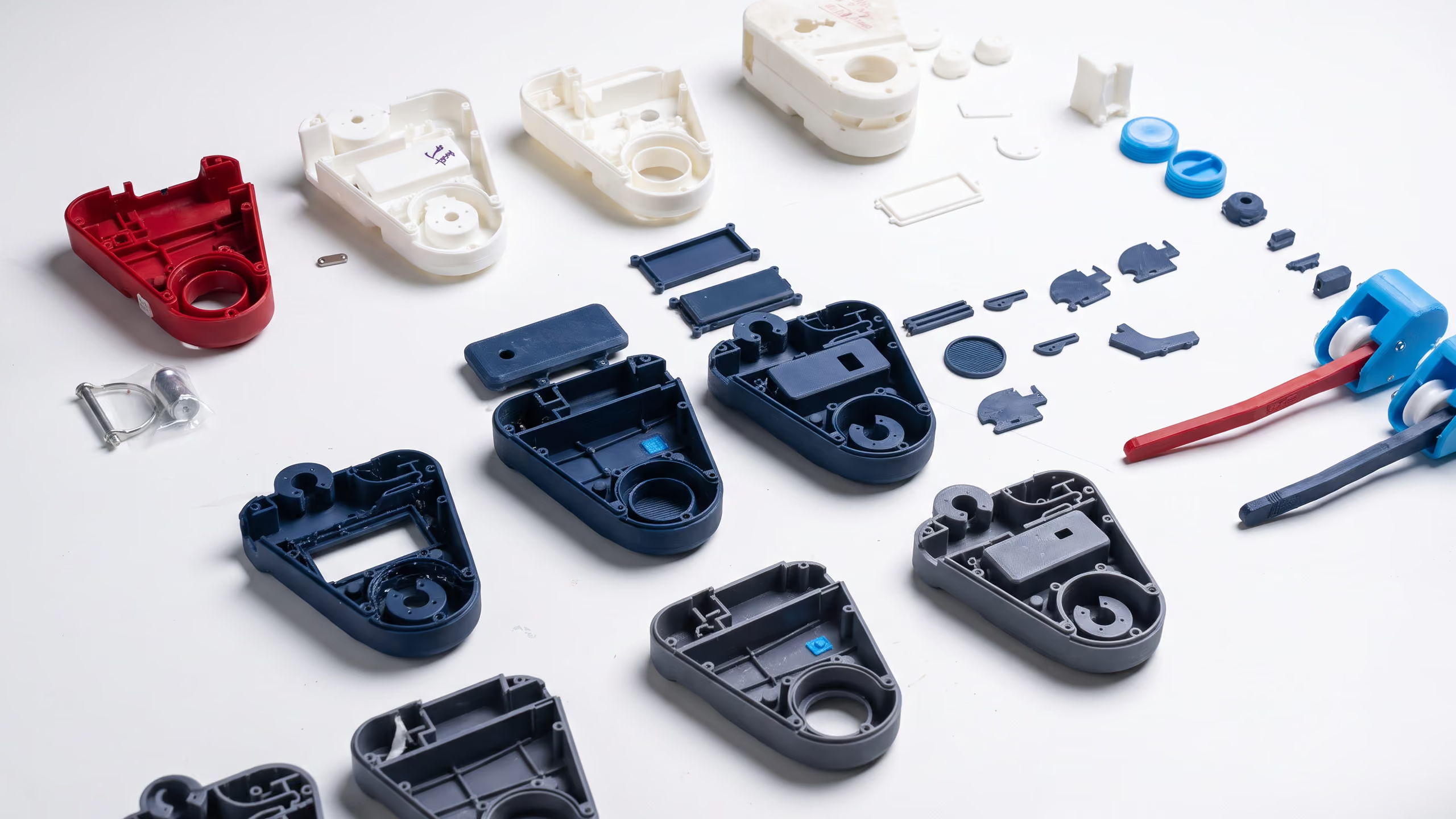
Designs are turned into prototypes and validated against real use. Prototyping and testing catch problems while they're still inexpensive to fix, and the feedback they generate refines the product before any commitment to production. This stage does a great deal to reduce the risk carried into manufacturing.
Production
With a validated design, the focus shifts to making the product at scale: selecting materials, choosing manufacturing partners and establishing quality control. The work here is about a clean transition from prototype to production, with efficiency, scalability and cost all managed together.
Launch
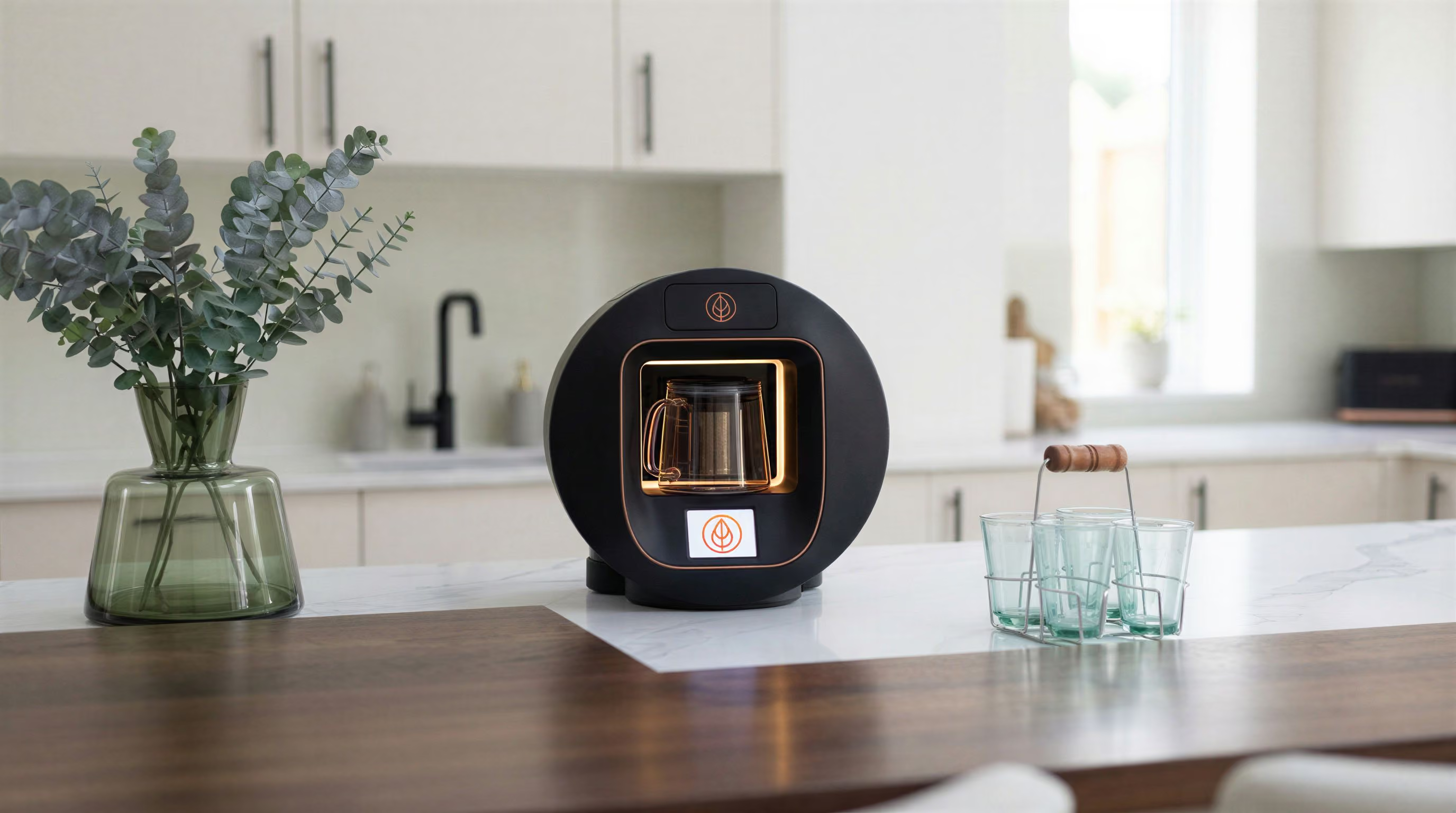
The product is introduced to the market with a considered plan covering marketing, branding and distribution. The aim is to reach early adopters, establish a foothold and gather the first real market feedback, which tells you how the launch is landing and what to adjust.
Growth and maturity
If launch succeeds, attention turns to expanding the product's presence, increasing production and strengthening distribution. Marketing scales up, and refinements or variations may follow based on customer feedback and market movement. Over time the product matures, and the work becomes sustaining its position rather than establishing it.
Decline, and what comes next
Eventually most products face declining demand as markets and tastes move on. At that point there's a decision to make: phase the product out, refresh and revitalise it, or pivot to something new informed by what you've learned. Recognising this stage honestly, rather than late, is what lets you act on it rather than be caught by it.
Why the cycle matters
Seen whole, the lifecycle lets you plan ahead rather than react. It shows where resources are best spent, where risk concentrates, and when a product needs investment, refresh or retirement. A well managed lifecycle reduces costly mistakes and protects a product's quality and profitability across its whole life, not just at launch.
Related guides: The Importance of a Clear Project Brief · Product Design Process: 7 Stages · Idea Validation a Step by Step Guide
FAQ
What is the product development lifecycle? The full sequence a product moves through, from idea generation and design to launch, growth, maturity and eventual decline. It's a framework for planning and managing that journey.
Why does it matter? It lets you allocate resources sensibly, anticipate risk, and make better decisions at each stage, rather than reacting to events as they arrive.
What happens at the end of the cycle? Demand eventually declines, and you decide whether to phase the product out, refresh it, or pivot to something new. Recognising the stage early is what makes acting on it possible.