Most SMEs that bring in an outside design team are not short on skill, they are short on hours. This guide covers why a capable in-house team can still need outside capacity for a single project, how the work is divided in practice, and the two signals worth watching for. It closes with a product that sat unstarted for two and a half years, and what happened in the four months after it moved.
Where a new product idea usually comes from
New product ideas rarely appear out of nowhere. They tend to come out of a business's own strategic rhythm: a quarterly review, an executive-level decision, marketing feedback pointing at an opening in the market. A business concludes that a new product could lift margin or reach a segment it does not currently serve, and that decision is a sign of a company working as it should.
The in-house design team is almost always capable of carrying it forward. What they are not, in most SMEs, is idle. They are full-time and fully committed, already carrying a continuous stream of revisions, feedback and existing design work that cannot simply be paused. A new product idea compiles on top of all of that, and that is usually where the frustration starts. Not from a shortage of ability, but from a shortage of hours in the week.
Capacity, not capability
It is worth stating plainly, because the two get conflated: an in-house team saying they cannot take a new product on right now is rarely the same as that team being unable to do it.
Expanding the team permanently to cover an infrequent need carries its own risk, and most SMEs do not have the headroom to justify a long-term hire against a one-off launch. Bringing in an outside design team for that specific project solves a narrower problem. It absorbs the additional workload without committing the business to permanent headcount, and it brings in a vantage point built across more sectors than a focused in-house team would usually encounter.
That second part matters most where the gap is not purely about time. An unfamiliar manufacturing technique, a material the team has not specified before, a sector nobody internally has worked in: in those cases an outside team is not only adding hours, it is removing the uncertainty around the one area the business was genuinely unsure about.
How the work is actually divided
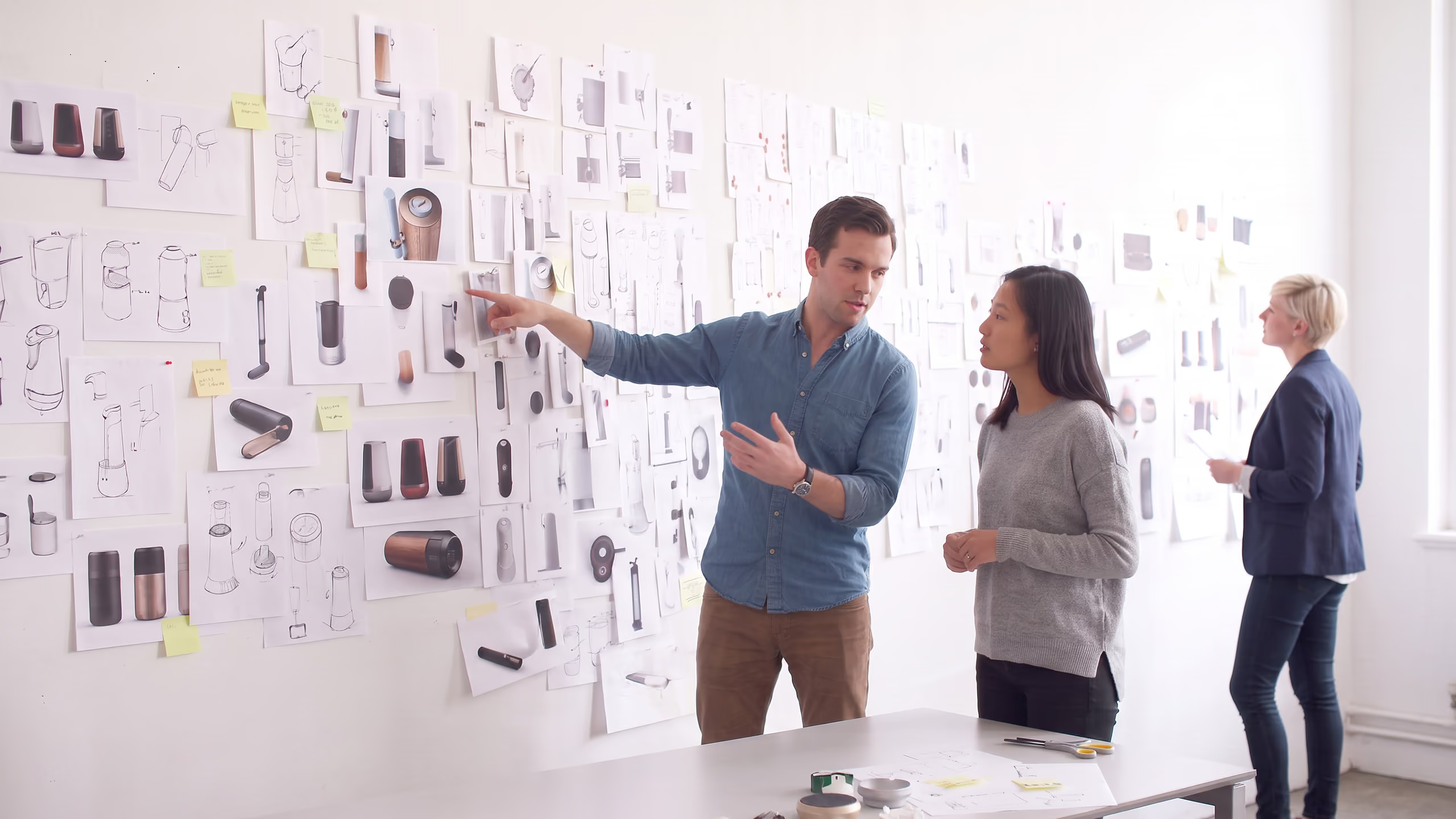
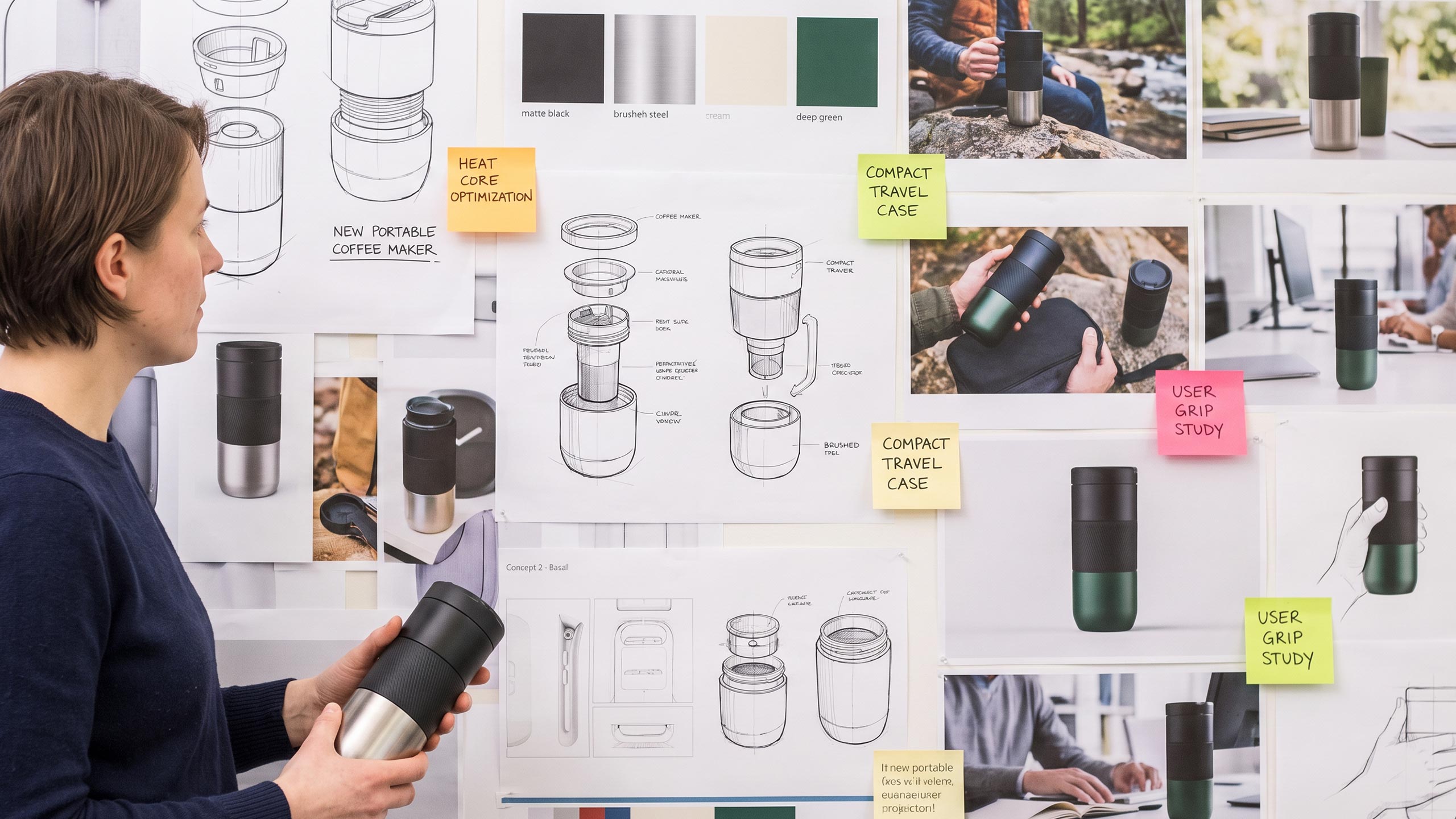
This is not a case of handing over a brief and waiting. The in-house team sets the brief, along with the brand and product design language the new work has to sit within. From there the outside team runs the new development independently, so the in-house team's existing commitments continue without interruption. The two sides come back together at review sessions to check progress against the brief, and once a design is finalised and approved it is handed back to the in-house team to monitor and take into production.
The in-house team keeps control of the brand and the final product throughout. What changes is who absorbs the additional workload while the new product takes shape.
A medical products client with sixty products on the market
One of our clients, a large domestic medical products company with an established in-house design team and more than sixty products already on the market, came to us with a specific gap. Their team was experienced in product development and strong on factory relationships, but had limited exposure to complex injection-moulding design and mechanical hardware development, which is what their next wave of ideas needed.
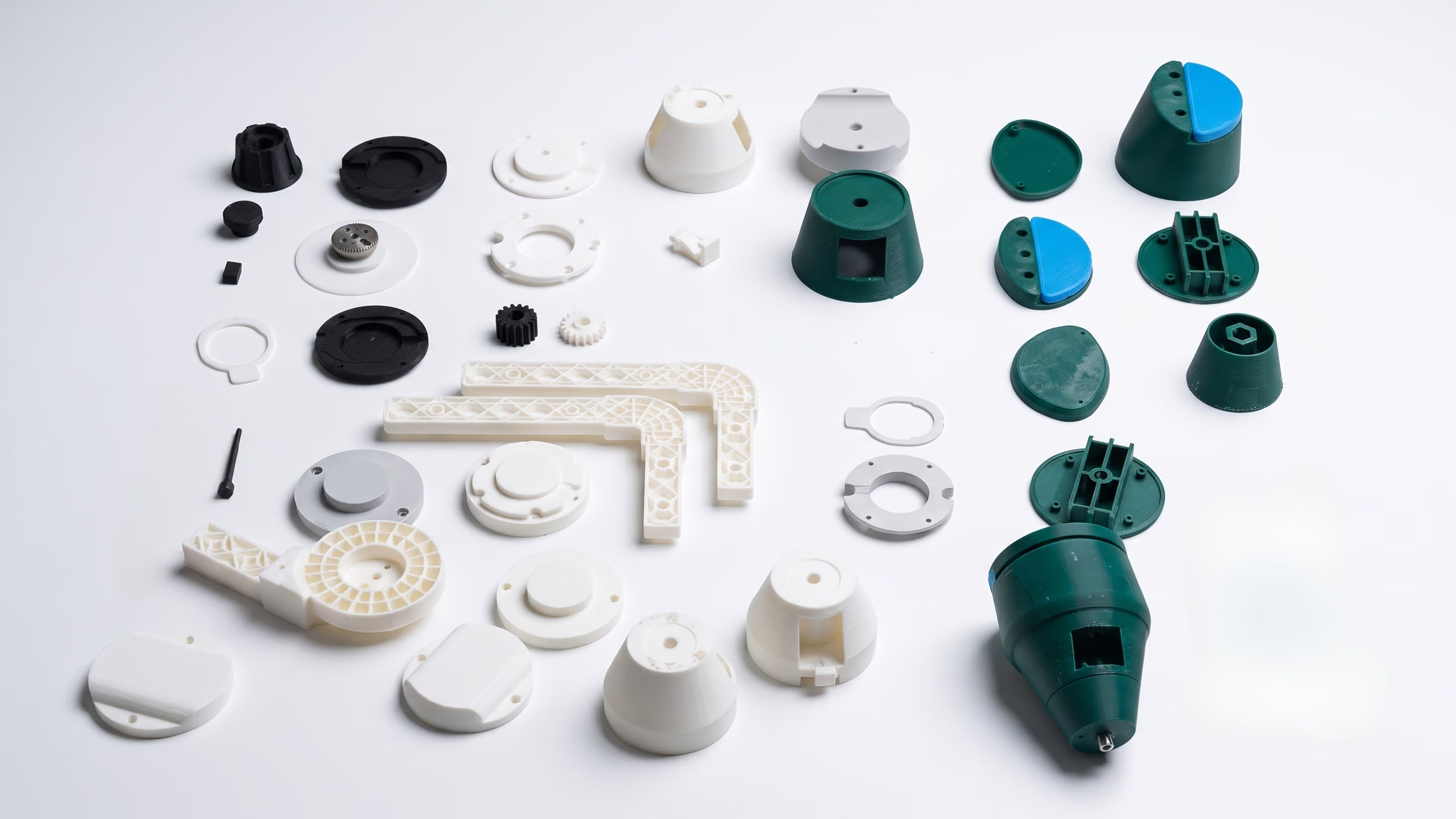
We ran that work as a separate, parallel track: proof-of-concept and prototype work to answer the key technical questions before any larger investment was committed. Their in-house team continued on revisions and new versions of existing products throughout, undisturbed. Alongside the new development we carried out commercial viability assessments and reviewed several existing designs, setting out where they could be strengthened and what directions future development might take, which the in-house team then developed further themselves.
Three new products came out of it, each genuinely different in direction but complementary to the existing range. The findings fed back into the in-house team's own capability, and we introduced trusted factory sourcing contacts the company now works with directly. Sales increased, and the in-house team finished the process better connected and still firmly in control of their own brand.
The two signals worth watching for
The clearest indication is usually already visible in how the in-house team responds to a new idea.
The first is a team that is straightforwardly overstretched, with no realistic room in the week to take anything more on. The second is a team that says plainly they do not currently have the experience for a particular kind of project. Both are common, and neither is a reflection on the team.
What tends to decide the outcome is how quickly the business acts on the signal once it appears. One of our clients, a consumer gift products company, had an idea they believed would sell well, but their design team's time was continually absorbed by other business requirements and the project never reached the top of the list. It sat there for two and a half years, missing the seasonal launch window each time it came round.
When they brought us in, we reviewed the brief and presented six or seven alternative design directions within weeks. From first conversation to a finished product on shelf took four months. It sold around ten thousand units in its first year and has continued to grow since.
The real cost of an unaddressed capacity gap
The idea itself was never the problem in that second project. What was missing was dedicated time to explore it properly, and the confidence to commit real resource to something unproven. Both of those are things an outside design team is positioned to absorb, which is the practical argument for bringing one in: not because the internal team cannot do the work, but because the cost of a good idea waiting two and a half years for a free week is almost always higher than the cost of the engagement itself.
Related guides: Who Can Help You Find and Manage a Manufacturer · Product Design Specification · Commercial Viability Assessment