Overview
The product development lifecycle represents the entire process of taking a product from initial idea to market readiness, through growth, and eventually to its potential retirement. This structured approach ensures that each stage of development receives the attention it needs to deliver a product that meets customer expectations, aligns with business objectives, and adapts to changing market demands. By understanding each stage of this cycle, businesses can optimise their processes, reduce risk, and improve product success rates.
What is the Product Development Life Cycle?
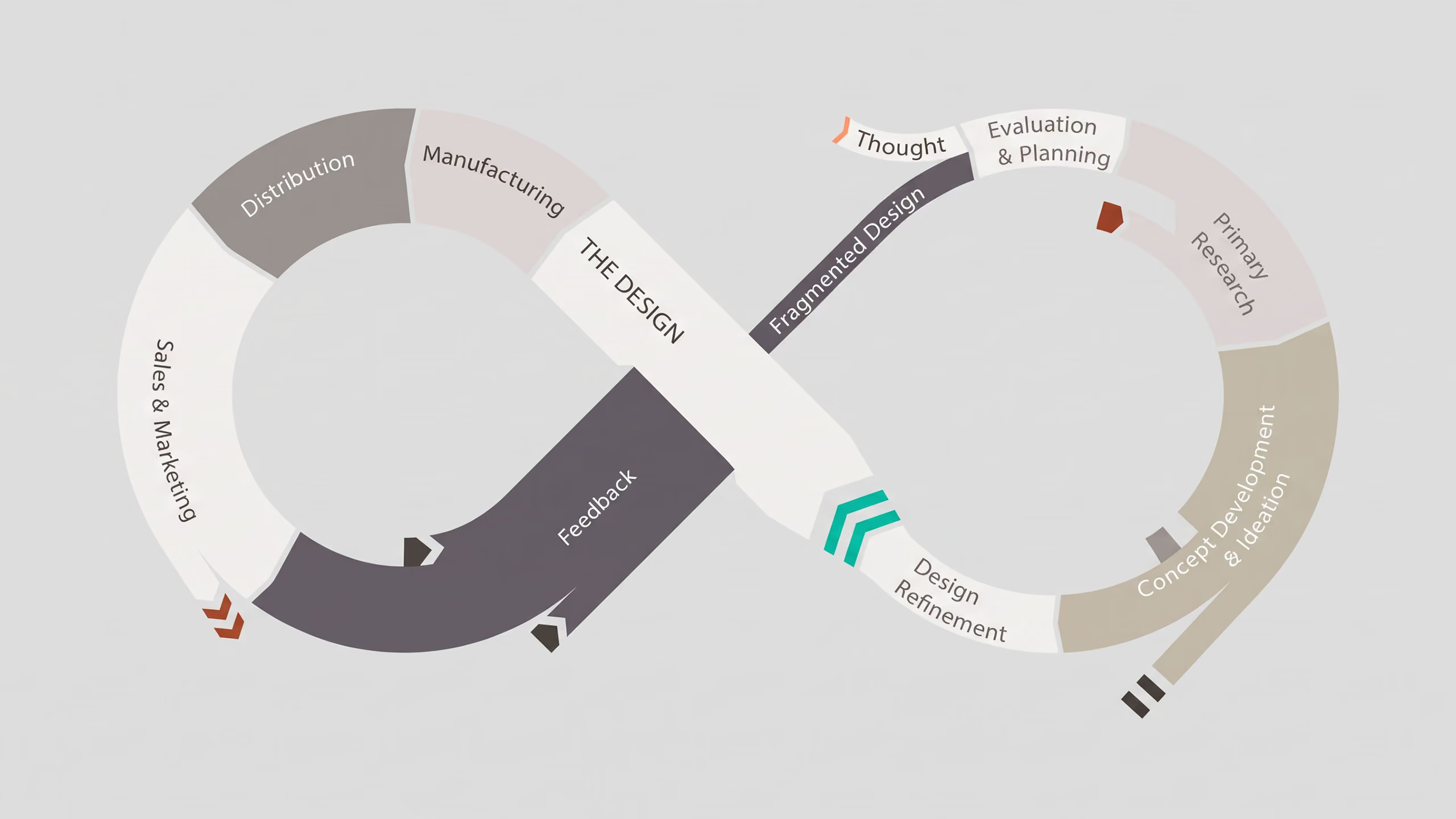
The product development lifecycle (PDLC) is a framework that outlines the stages a product goes through from its conception to its eventual withdrawal from the market. The cycle typically involves phases such as idea generation, design, testing, market introduction, growth, maturity, and decline. This structured approach provides a roadmap for organisations to plan, execute, and evaluate the progress of their product, ensuring it remains relevant, valuable, and aligned with customer needs throughout its life span.
Why is the Product Development LifeCycle Important?
The product development lifecycle is crucial because it offers a clear structure to guide businesses through the complexities of bringing a product to market. By breaking down the process into distinct stages, businesses can allocate resources more effectively, mitigate risks, and make data-driven decisions. This approach allows for continuous evaluation and adaptation, ensuring that products remain competitive, meet customer expectations, and respond to market changes. Additionally, a well-managed product development lifecycle reduces the likelihood of costly mistakes and helps optimise product quality and profitability over time.
Stages of the Product Development LifeCycle
1. Idea Generation
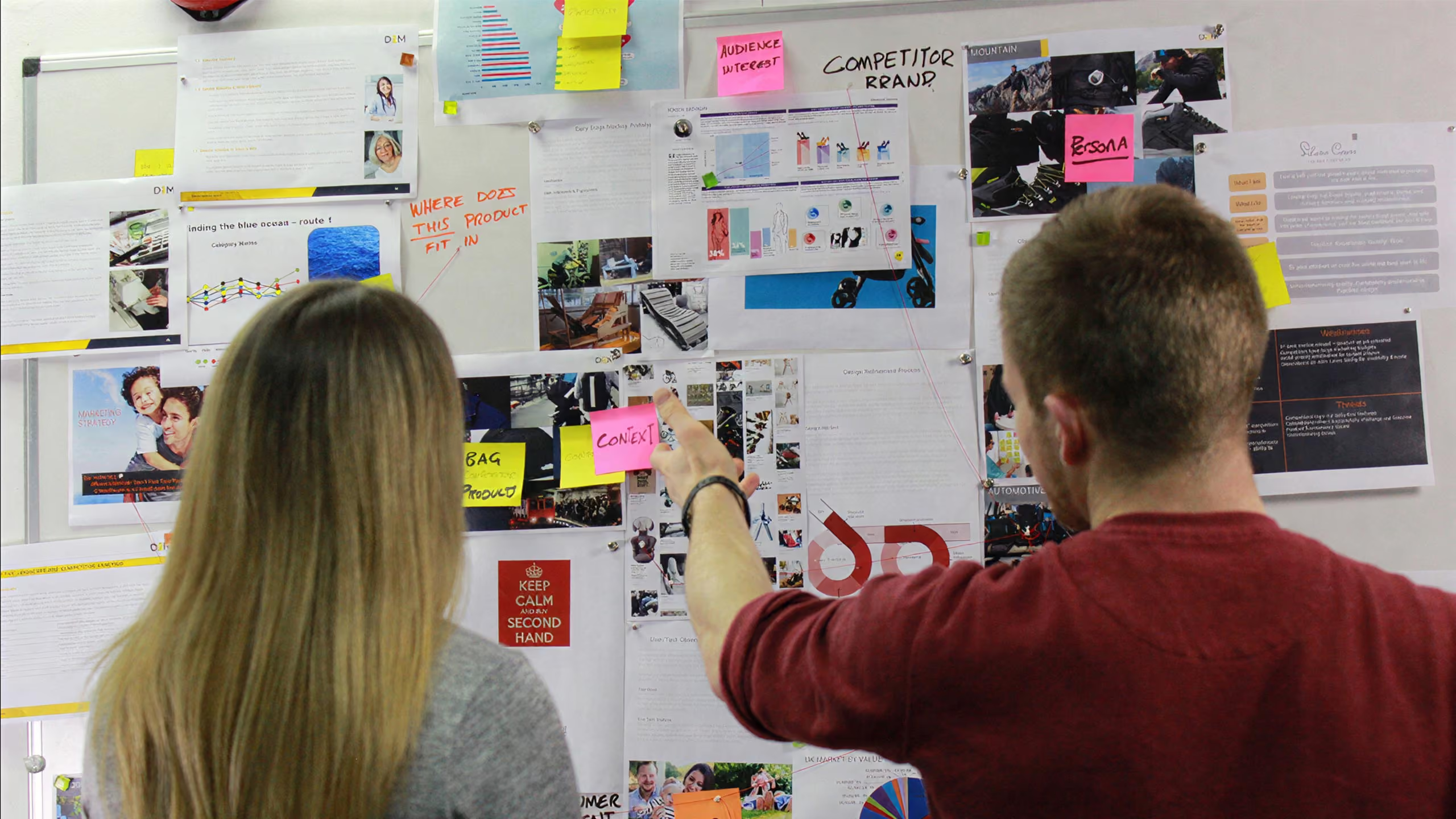
This initial stage focuses on generating and exploring new product ideas. Ideas can come from market research, customer feedback, competitor analysis, industry trends, and brainstorming sessions. The goal is to identify potential opportunities that align with market demands and customer pain points.
2. Concept Development and Feasibility Analysis
Promising ideas are further refined into detailed concepts, outlining key features, functionality, and unique selling points (USPs). Feasibility analysis assesses the viability of the concept, including technical feasibility, market fit, and competitive positioning. Feedback from target users is often sought to validate the idea’s potential.
3. Design and Prototyping
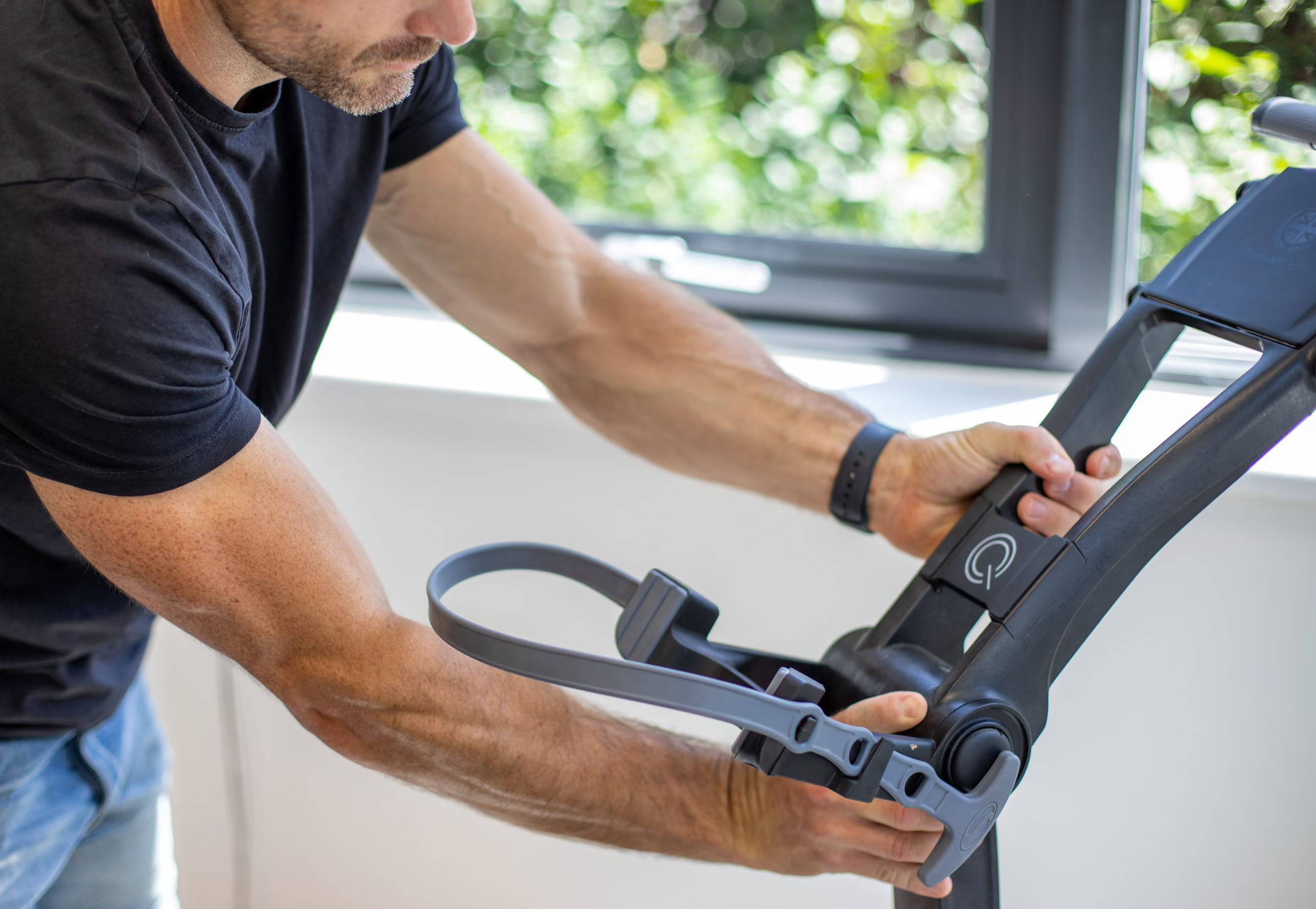
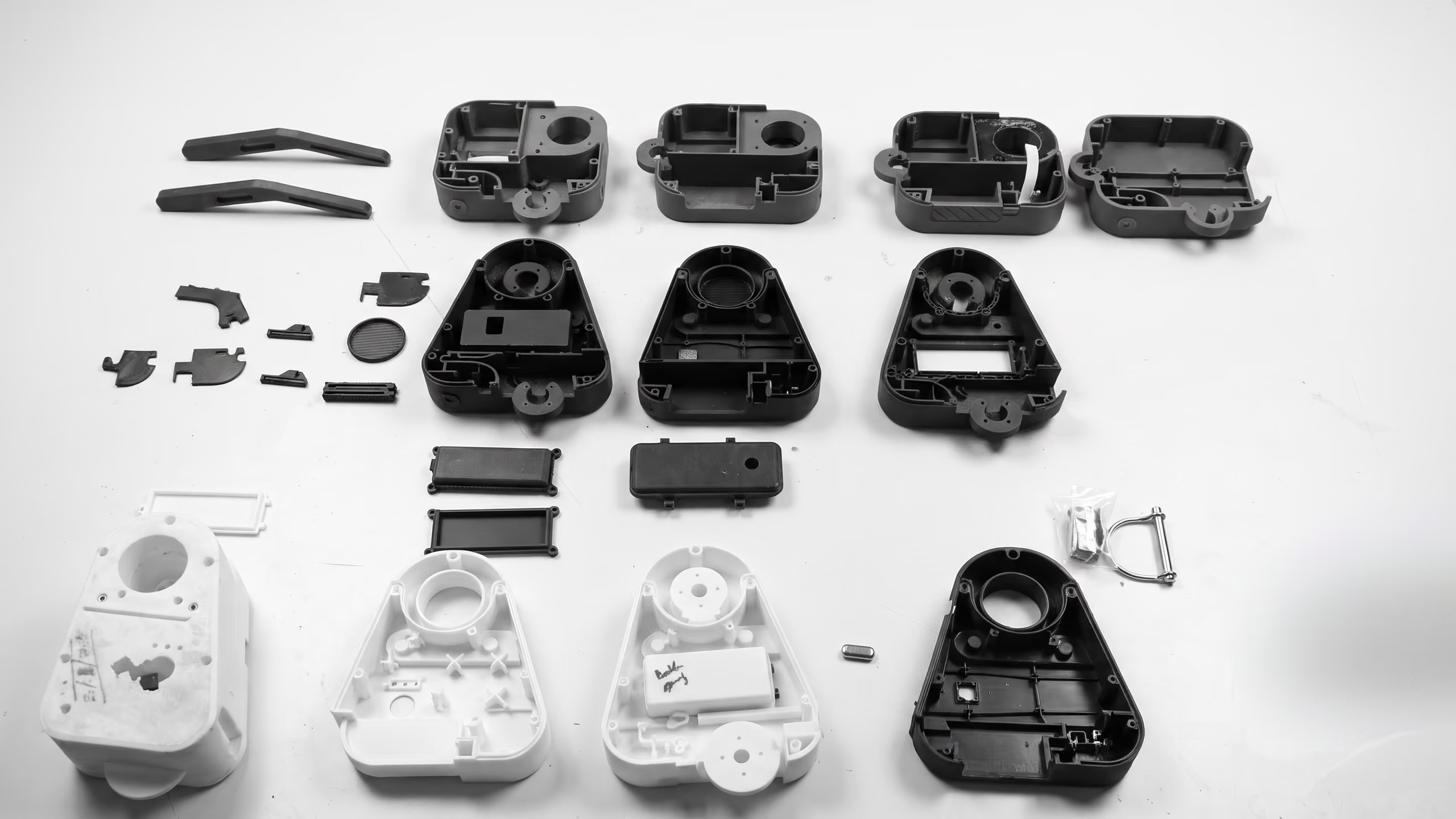
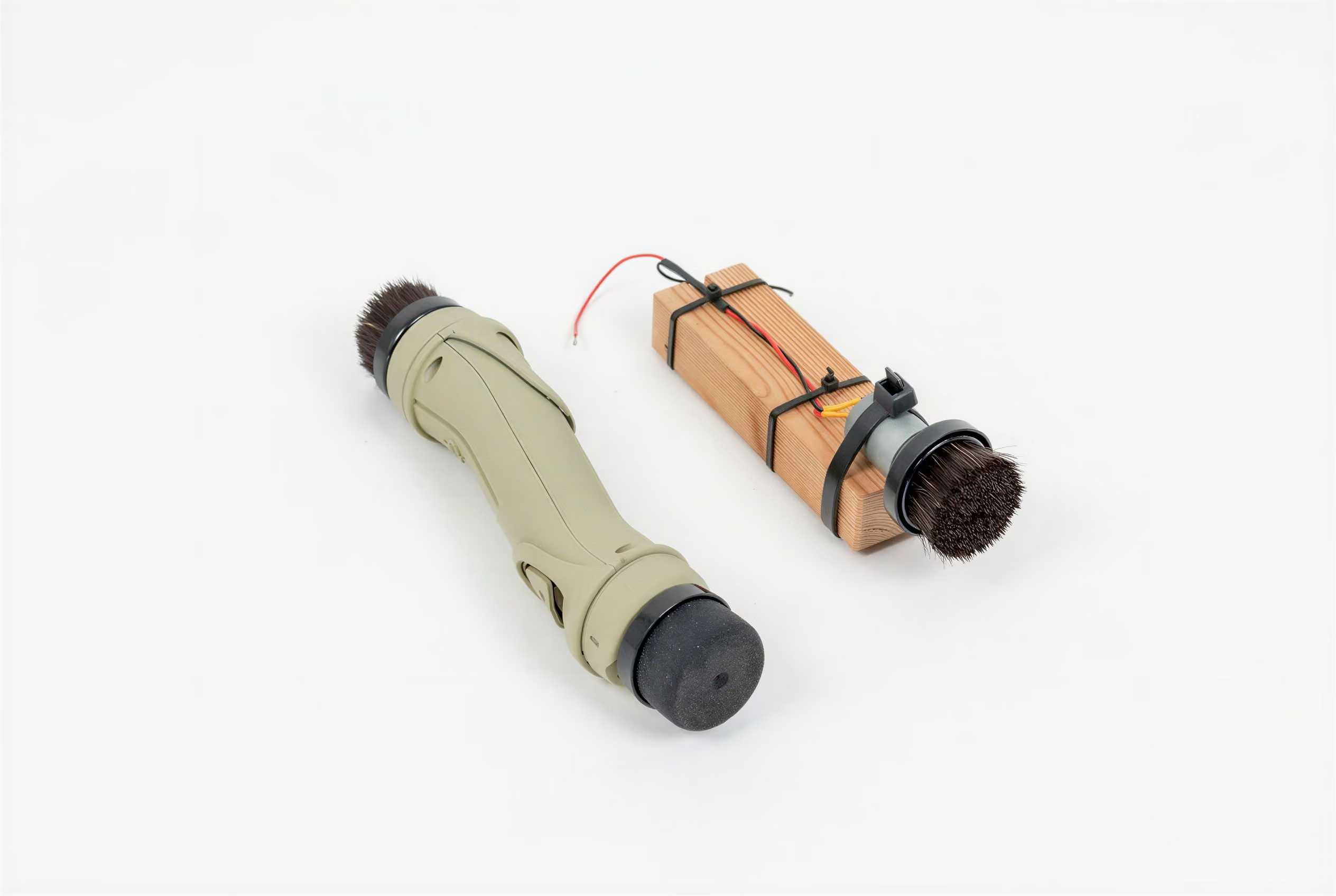
The design phase transforms the product concept into tangible form through sketches, CAD models, and prototypes. Prototyping allows for iterative testing, refinement, and user feedback to ensure the product meets functional and usability requirements. This stage emphasises collaboration among design, engineering, and marketing teams to align the product vision with practical considerations.
4. Testing and Validation
Prototypes are rigorously tested to ensure they meet performance, safety, and regulatory standards. User testing provides valuable feedback on usability and functionality, identifying any design flaws or areas for improvement. Validation ensures the product aligns with customer needs and is ready for production.
5. Manufacturing Preparation
With a validated design, businesses prepare for large-scale production by selecting materials, identifying manufacturing partners, and establishing quality control processes. This stage focuses on optimising production efficiency, scalability, and cost management to ensure a seamless transition from prototype to final product.
6. Market Introduction (Launch)
The product is introduced to the market with a carefully planned launch strategy that includes marketing, branding, and distribution. This stage aims to generate buzz, attract early adopters, and establish a foothold in the market. Feedback from initial customers is gathered to assess market reception and make necessary adjustments.
7. Growth and Expansion
If the product launch is successful, the business focuses on expanding its market presence, increasing production, and enhancing distribution channels. Marketing efforts are scaled up, and additional features or variations may be introduced based on customer feedback and market trends.
8. Maturity and Optimisation
As the product reaches market maturity, sales growth may slow, and competition may increase. The focus shifts to optimising product performance, cost efficiency, and customer satisfaction. Businesses may explore strategies such as product bundling, updates, or promotional offers to sustain interest and maximise profitability.
9. Decline or Renewal
In the final stage, products may experience a decline in demand due to market saturation, technological advancements, or changing customer preferences. Businesses must decide whether to phase out the product, pivot its positioning, or introduce updates to revitalise its appeal. Strategic decision-making at this stage ensures the product’s life cycle is effectively managed.
Product Development LifeCycle Principles
- Customer-Centric Focus: Every stage should prioritise the customer’s needs and expectations to ensure the product delivers genuine value.
- Iterative Improvement: Continuous feedback and testing allow for incremental improvements, reducing the risk of product failure.
- Cross-Functional Collaboration: Effective communication and teamwork across different departments ensure alignment and cohesion throughout the product’s life cycle.
- Resource Optimisation: Careful resource management helps minimise waste, reduce costs, and maximise efficiency.
- Flexibility and Adaptation: The life cycle requires businesses to remain agile and responsive to market trends, technological changes, and customer feedback.
How D2M can help with Product Development LifeCycle
D2M’s experienced team offers comprehensive support throughout every stage of the product development lifecycle. From initial idea generation and concept refinement to design, prototyping, and market introduction, we guide clients through a structured process that minimises risk and maximises success. Leveraging our expertise in design, engineering, and lean methodologies, we ensure products are efficiently developed, tested, and launched with a strong focus on quality and customer satisfaction. Whether you’re developing a new product or improving an existing one, D2M’s tailored approach helps bring your vision to life while optimising every stage of the product journey.
Product Development LifeCycle FAQs
What are the key stages of the product development lifecycle?
The key stages include idea generation, concept development, design and prototyping, testing and validation, manufacturing preparation, market introduction, growth and expansion, maturity, and decline or renewal.
How does the product development lifecycle benefit businesses?
The lifecycle provides a structured framework for managing product development, helping businesses optimise resource use, reduce risks, ensure market fit, and adapt to customer needs throughout the product’s life span.
What is the difference between product development and the product development lifecycle?
Product development refers to the overall process of creating and launching a product, while the product development lifecycle outlines the distinct stages a product goes through from conception to market retirement.
How does customer feedback influence the product development lifecycle?
Customer feedback is crucial at every stage, providing insights that shape design, functionality, and market positioning. Continuous feedback ensures the product meets customer needs and adapts to evolving demands.
How can businesses manage the decline stage of the product development lifecycle?
Businesses can either phase out declining products, update and revitalise them, or pivot their market positioning to extend their relevance and maximise profitability. Strategic decision-making is essential at this stage.
Conclusion
Understanding and effectively managing the product development lifecycle is essential for bringing successful products to market and ensuring they remain competitive and relevant. By following a structured approach, businesses can reduce risks, optimise resources, and deliver products that resonate with their target audience. D2M’s expertise in navigating each stage of the lifecycle provides a valuable partner for businesses seeking to maximise their product’s potential and drive long-term growth.